

























































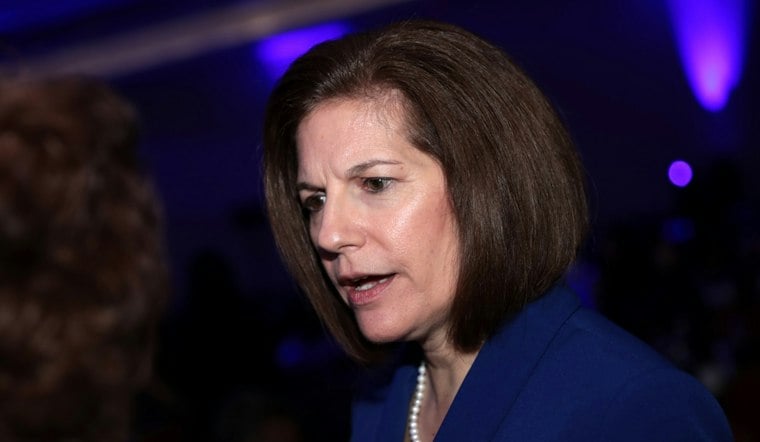
Nevada Sen. Catherine Cortez Masto is pushing legislation that would ban grocery stores from using artificial intelligence to charge different customers different prices for the same items, an effort she says would stop corporations from using Americans' personal data against them at checkout. The push comes as Thanksgiving dinner costs have hit an all-time high, according to Fox News.
Cortez Masto said she is working with lawmakers from New Mexico and Oregon on the measure, called the Stop Price Gouging in Grocery Stores Act, as reported by FOX5 Vegas. The bill would prohibit surveillance pricing in grocery stores, require stores to disclose their use of facial recognition technology, ban electronic shelf labels in large grocery stores, and establish enforcement to hold corporations accountable, according to the station's reporting. Cortez Masto said corporations collect and purchase Americans' personal information and use mobile apps, facial recognition and other biometric technology to charge different people different prices for the same item.
Thanksgiving Costs Squeeze Local Shoppers
The timing lands hard for Southern Nevada families already feeling the pinch. Three Square Food Bank said whole turkeys have doubled in price compared with last year and decided not to buy whole turkeys for its community partners this year, per the same station's report. FOX5 spoke with shoppers on Tuesday who said surveillance pricing feels unfair, including Paul Duhacek, who said he has a grocery budget of $200 for the month and wants to stay within it. Duhacek said that budget could end up costing him $202 at checkout if prices shift on him.
Another shopper, Steven Pape, said he does not want his data used to determine what he pays. Their concerns echo a broader trend: at least six states have seen legislation introduced to stop surge and surveillance pricing, according to the United Food and Commercial Workers union, as cited by Gizmodo.
A Federal Bill With New Mexico and Oregon Ties
Separately, Sens. Ben Ray Luján of New Mexico and Jeff Merkley of Oregon introduced the Stop Price Gouging in Grocery Stores Act of 2026 last Thursday, according to Gizmodo. An official announcement from Sen. Luján's office confirms the two introduced the measure aimed at stopping grocery price gouging and lowering costs for Americans. The Senate bill is modeled on a 2025 bill in the House, Gizmodo reports.```
Gizmodo notes that a 2025 study found Instacart charged customers different prices for the same products, sometimes as much as 23% more. Concerns about this kind of pricing aren't new: Wendy's faced backlash in 2024 after merely discussing the possibility of introducing surge pricing in 2025, per the outlet's reporting.
Walmart Defends Its Digital Shelf Labels
Walmart was the only company that responded to FOX5's request for comment. Walmart CEO John Furner said the company prices products, not people, and that prices may change when costs or savings change — but he said Walmart would not use a customer's income, shopping history, or moment of need to charge them more. Furner said Walmart's digital shelf labels in its stores help ensure checkout prices match shelf prices and save staff time that would otherwise go toward replacing paper tags.
Lobbying Dollars Flow Against Pricing Bans
Efforts to rein in personalized pricing have run into heavy industry resistance elsewhere. Technology, grocery, and food-delivery companies and trade groups have spent millions lobbying against personalized-pricing proposals and have sought to weaken some bills, according to Consumer Reports. In Colorado, tech companies and their trade groups spent more than $1.1 million lobbying against a proposed personalized-pricing ban between February and June, compared with about $275,000 spent by supporters, the nonprofit found.
Seattle has already moved further than Nevada. The city's council approved an ordinance banning what Axios describes as algorithmic-based price discrimination by grocery store chains and grocery delivery services, according to Axios. The rules apply to grocery chains with at least 20 stores globally, as well as to grocery delivery and online ordering services, and are scheduled to take effect September 1, 2027, Axios reports. A Fox station in Seattle separately reported in October that the city banned large grocery stores and delivery services from using customer personal data and AI to set individual prices.
For now, Nevada shoppers like Duhacek and Pape are left watching their grocery totals climb while the fate of federal and state proposals remains unresolved.





