

























































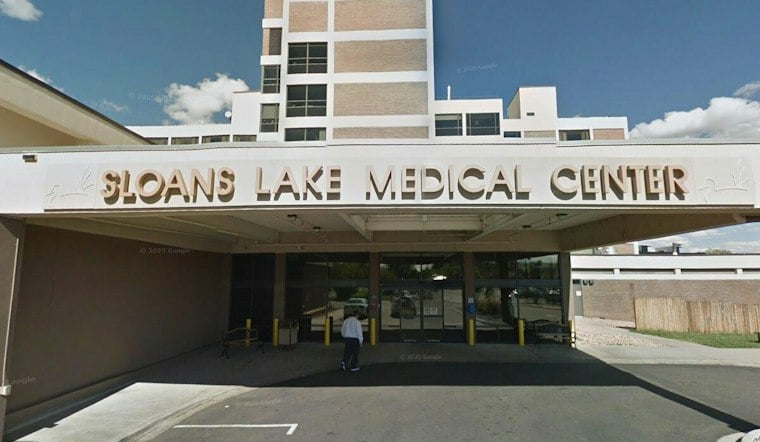
A new freestanding emergency room opened its doors in Denver's Sloan's Lake neighborhood on Nov. 2, 2026, giving west Denver residents a 24/7 option for treating everything from infections and chest pain to broken bones. HCA HealthOne Rose opened the facility at 1690 Meade St. with 12 private treatment rooms spread across more than 11,000 square feet.
The emergency room is built to handle both adults and children around the clock, according to ColoradoBiz. It's staffed by board-certified emergency-medicine physicians and nurses, and it's equipped with CT, ultrasound and portable X-ray machines, along with an on-site laboratory and other diagnostic equipment. The facility also offers telemedicine services focused on stroke care and behavioral health, giving patients access to specialists without leaving the building.
HCA HealthOne Rose CEO Michael Hanson framed the opening as part of a broader push to put trusted health care within easy reach of families, saying that kind of access close to home matters. Patients who need more extensive hospital-based treatment can be transferred to HCA HealthOne Rose, with the emergency-care team coordinating those transfers when medically appropriate.
Part of a Broader Building Push Across the Region
The Sloan's Lake opening lands amid a wave of health care construction across metro Denver. The same report notes that HCA's construction manager, Darin Long, said teams are working on 80 ambulatory locations systemwide, and that once a site is secured, a new freestanding emergency room can go up in eight to 10 months. Hospital groups have leaned into the model as a way to get care closer to patients and ease pressure on crowded hospital emergency departments, the outlet reported.
That expansion has been expensive. Denver's major health systems added more than $750 million in new towers, urgent care centers and outpatient clinics during 2025, and health systems along with Kaiser Permanente Colorado reported 13 construction projects in various stages that year, with eight of them totaling $824 million in disclosed costs, per the same report. Other projects moving forward include AdventHealth's emergency room inside an 88,000-square-foot facility at The Aurora Highlands, expected to open this fall, and an expansion at HCA HealthOne Mountain Ridge that was completed on Aug. 21, 2025, adding 24 beds.
Growth Slows After Earlier Building Boom
Even so, growth in freestanding emergency rooms specifically has slowed after a building boom roughly a decade ago, with health systems now showing more interest in ambulatory surgery centers, urgent care and outpatient offices, the report found. HCA HealthOne is also exploring a freestanding emergency room at the northwest corner of 38th Avenue and Wadsworth Boulevard in Wheat Ridge, though it's unclear whether that project has moved past the exploratory stage.
The freestanding ER model has also drawn scrutiny over where these facilities tend to land. According to the Colorado Health Institute, Colorado's freestanding emergency departments cluster in well-to-do Front Range neighborhoods; census tracts with three or more nearby freestanding departments have median household incomes above $100,000 a year. More than 2.3 million Front Range residents, nearly half the area's population, live within a five-minute drive of one. Rural Colorado, by contrast, had just eight such facilities, all in ski resort towns, according to the institute's analysis.
How the State Regulates These Facilities
State law treats freestanding emergency departments as a distinct category of health facility. The Colorado Department of Public Health and Environment defines one as a facility offering emergency care, and sometimes primary and urgent care, in either of two categories: one affiliated with a hospital system but located more than 250 yards from that hospital's main campus, or one independent of a hospital system and not attached to or situated within 250 yards of a hospital. Separately, the Colorado General Assembly's SB18-146 requires these facilities, whether hospital-operated or independent, to give patients a written statement of patient information when they seek treatment.





