

























































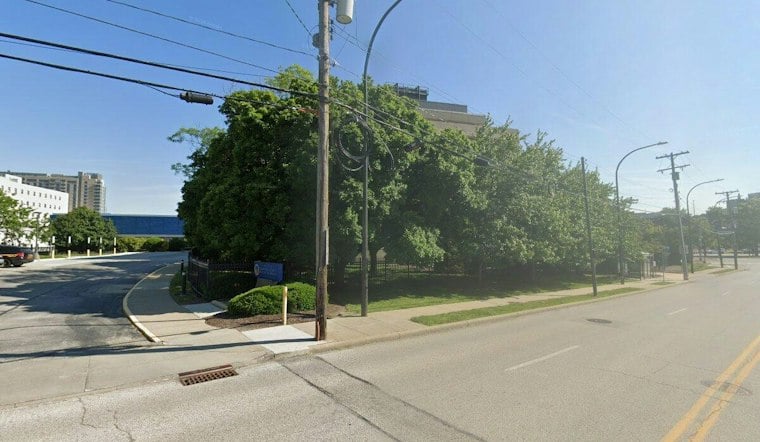
For nearly four decades, a woman shot 11 times, beaten and pushed from a moving car in Cleveland Heights has been known by a name that was never hers. Investigators now say they have discovered new evidence they are working to develop into a DNA profile, reviving hope that the woman called Tanya Greene might finally get her real name back.
According to Cleveland 19 News, investigators said, “we have discovered some new evidence in-house that we are working up for a DNA profile right now.” The woman was killed in October 1986, and for years she has been referred to only as Tanya Greene — a name investigators learned was not actually hers. They have never been able to find her real identity or locate her family.
The station reports that earlier attempts to build a DNA profile were unsuccessful, but advances in technology have given investigators what was described as “high hopes” that this latest round of testing could succeed where previous efforts failed. X-rays, fingerprints and dental records collected back in the 1980s did not match any entries in national databases, leaving the case cold for decades.
A Description, a Scar, and a Dead End in Florida
What investigators do know about the woman comes largely from the medical examiner's physical description. She was Black, between 32 and 42 years old, about 5 feet 6 inches tall and weighed roughly 119 pounds. She had black hair and brown eyes, along with a distinctive 10-inch scar on her upper right abdomen — a detail that has remained one of the few physical clues tying any potential missing-person match to her case.
Earlier information suggested her family may have lived in Florida, though police were unable to track them down, the outlet's reporting notes. Investigators have also run comparisons against missing-person cases requested by several agencies over the years, and each of those comparisons has ruled out any connection to the Cleveland Heights victim.
A Conviction Without a Name
Even without knowing who she was, prosecutors were able to secure a conviction in her killing. Robert Brown was later sent to prison after being convicted of ordering Greene's killing, per the same account. The case stands as an unusual example of a homicide resolved in court while the victim herself remains unidentified to this day.
Other Ohio and West Virginia Cases Offer a Roadmap
The Cleveland Heights case is not the only Ohio cold case leaning on modern DNA tools. In Ottawa County, investigators are pursuing investigative genetic genealogy — using DNA to build out potential family connections — to try to identify a woman whose body duck hunters found in Muddy Creek near Oak Harbor on October 22, 1975, according to a separate Cleveland 19 News report. The FBI worked with the Ottawa County Sheriff's Office to release a composite sketch of that woman back in 2016, and Sheriff Steve Levorchick has said DNA research is in progress, with investigators hoping for a final result soon. Once that woman is identified, investigators plan to move forward with a criminal investigation into her cause of death.
A breakthrough elsewhere shows what success can look like. In Greenbrier County, West Virginia, state police identified a Jane Doe as Elizabeth Jean Acton after her remains had gone unidentified for 25 years, according to WV MetroNews. Her identity was confirmed through a maternal DNA match with her mother, after Lt. S.S. Keaton of the state police submitted the case to Marshall University for further DNA testing. Acton's remains had been found near the Interstate-64 Alta exit along U.S. Route 60 roughly 25 years before investigators finally had an answer.
For now, the Cleveland Heights case remains open on the question investigators have been chasing for nearly 40 years: who the woman called Tanya Greene really was. The newly discovered evidence gives them another chance to find out, even as the outcome of the testing remains unknown.




