

























































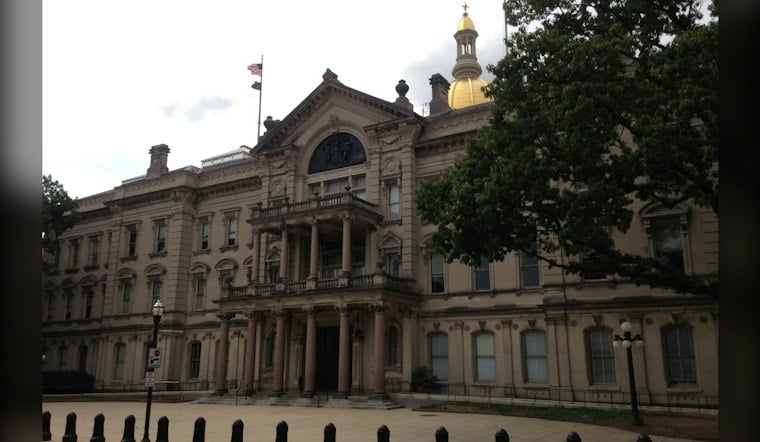
New Jersey retailers could soon face fines of up to $1,000 for selling energy drinks to anyone under 16, under a bill introduced in the state Assembly this week. The measure would make it illegal for stores to sell or hand over the caffeinated beverages to minors, whether directly or through someone else, and would task local health officers or police with writing up violators.
Bergen County Lawmaker Behind the Push
The bill, known as Assembly Bill A5773, was introduced Monday in Trenton by Assemblyman Chris Tully, a Democrat who represents Bergen County. According to The Lakewood Scoop, the legislation would make it illegal for stores to sell or offer energy drinks, either directly or indirectly, to minors under 16. A legislative-tracking entry from LegiScan lists the bill as introduced on November 16 and referred to the Assembly Consumer Affairs Committee, though it has not been scheduled for a committee hearing.
Under the bill's definition, an energy drink is any prepackaged, nonalcoholic beverage intentionally supplemented with at least 80 milligrams of caffeine per serving, per the same Lakewood Scoop report. That threshold is designed to capture most major energy drink brands sold in convenience stores and supermarkets, according to Shore News Network.
Fines, Enforcement, and Who Gets the Money
A first sale to someone under 16 would carry a civil penalty of up to $500, with later offenses rising to as much as $1,000 each, Shore News Network reports. For retail chains with at least two New Jersey locations, the penalty would apply only to the individual store where the sale occurred, not the entire company, and the outlet reports that fines would go to the town where the violation happened.
Cases would be heard in municipal court, with local health officers or police authorized to issue summonses, per the same report. Retailers could avoid a penalty if a buyer used a fake ID, appeared old enough to an ordinary person, and the sale was made in good faith based on that ID and appearance. If signed into law, the bill would take effect on the first day of the fourth month afterward, with the state Commissioner of Health writing rules to carry it out.
How It Compares to Other States and Countries
No other U.S. state currently has a similar law in place, according to a May report from WBOC, though Delaware lawmakers have been weighing their own version. That proposal would bar anyone under 18 from purchasing energy drinks without making possession or consumption illegal, and it would cover drinks with at least 100 milligrams of caffeine per 8 fluid ounces, excluding beverages naturally caffeinated through coffee beans or tea leaves. Delaware's version lists retailer fines ranging from $50 to $100 per violation, depending on the seller's number of infractions.
Overseas, the Library of Congress has reported that the U.K. government announced plans to introduce regulations under the Food Safety Act 1990 that would prohibit sales of high-caffeine energy drinks in England to children under 16, though that remains an announced plan rather than an enacted ban.
What Health Officials Say About Caffeine and Kids
Shore News Network's reporting notes that the FDA has not set a safe caffeine level specifically for children, even as the agency says healthy adults can generally consume up to 400 milligrams a day. Pediatricians have warned against children drinking energy drinks at all, the outlet reports. Separately, FDA consumer guidance posted online states that medical experts advise against energy drinks for children and teens because of their sugar and caffeine levels, while a CDC page attributes to the American Academy of Pediatrics a recommendation that adolescents avoid energy drinks entirely and keep daily caffeine under 100 milligrams.




