

























































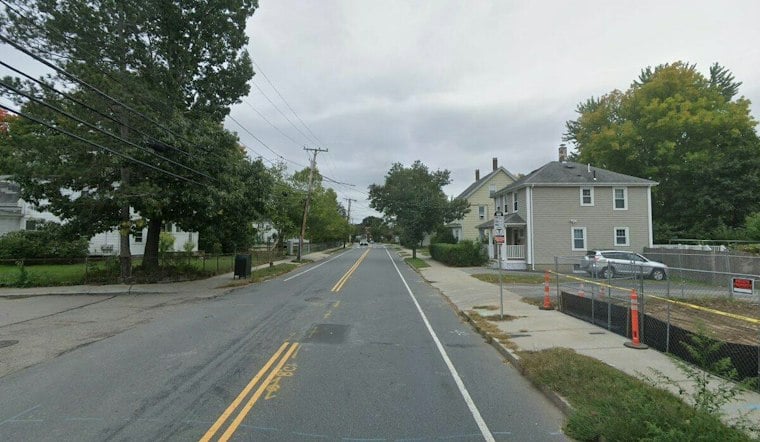
Firefighters battling a blaze at a residential construction site on River Street in Newton, Massachusetts, found that two nearby hydrants would not give up water, forcing crews to scramble for another source while the fire grew. Crews eventually got the fire out despite the faulty hydrants, but the close call has pushed Newton officials to ask for over a million dollars to fix a problem they say spans the entire city.
Two Hydrants Failed, Then a Call for Funding
According to NBC Boston, firefighters could not get water from two hydrants during the River Street fire, and the outlet reports that Mayor Marc Laredo is asking the City Council to appropriate $1 million to speed up hydrant repairs in response. Laredo has said Newton replaces fire trucks regularly because the city needs equipment it can rely on, a standard he is now extending to the hydrants feeding those trucks. Inoperable hydrants, officials say, present a danger to the community that goes well beyond any single incident.
The scale of the problem is why the number matters so much. NBC Boston reports that Newton has 2,700 hydrants citywide, and that right now about 140 of them are out of service and need repair. A separate account from Boston 25 News puts the figure at 139 fire hydrants not working across the city as of October, and that station reports the mayor proposed $1,112,000 in funding to repair or replace them — a more specific number than the roughly $1 million figure NBC Boston cited. The two outlets do not reconcile why their hydrant counts and dollar figures differ slightly.
A City-Wide Problem, Not a Neighborhood One
Newton Fire Chief Greg Gentile told Boston 25 News that the out-of-service hydrants are not clustered in one part of town. “It's a city-wide issue,” Boston 25 News reports Gentile saying, describing a problem spread across every corner of Newton rather than isolated to older neighborhoods or construction zones. NBC Boston reports that the deficiencies behind the failures include mechanical failures, damaged components, and old age — a mix that suggests no single fix will solve the issue overnight.
Gentile also described what crews do when a hydrant lets them down. “We'll take the second closest hydrant, use another fire engine to grab that hydrant and make do,” he told Boston 25 News, describing the kind of improvisation that played out on River Street. It is a workaround, not a solution, and city officials are now framing the funding request as a way to stop relying on backup plans during active fires.
The Count Has Dropped, But Gaps Remain
Boston 25 News reports that the number of hydrants out of service in Newton has actually fallen, dropping from 291 in October of the previous year to 139 by late October of this year — progress officials can point to even as the River Street fire exposed how much work remains. A Newton Public Facilities Committee agenda item dated this week, reported by Fig City News, sought authorization to appropriate and spend $1,112,000 from the Water – Undesignated Fund Balance to repair or replace 139 out-of-service fire hydrants throughout the city — matching the figure Boston 25 News attributed to the mayor's proposal.
Hydrant upkeep in Newton falls under the water department within the city's Department of Public Works budget, according to a city document that includes an answer from Chief Gentile on the matter. Whether the council ultimately approved the funding, and when any repairs might be completed, is not addressed in the available reporting.
Lessons From Elsewhere in Massachusetts
Newton's hydrant troubles echo a more severe water-access problem that slowed firefighters in Monson, where a three-alarm house fire on Silver Street was hampered by both a lack of nearby hydrants and frozen lakes, according to FireRescue1. That town's water system only covers about a third of Monson, and there were no fire hydrants near the burning house at all, forcing crews to rely on water tankers brought in from other towns while frozen lakes slowed the refilling process.
Newton's situation differs in degree — most of the city is covered by hydrants, and the River Street fire was ultimately extinguished — but the underlying lesson is the same: when water access fails at the moment crews need it most, outcomes depend on how quickly backup options can be mobilized. For Newton, that reality is now driving a push to fix the roughly 140 hydrants still not working across the city before the next fire puts them to the test.



