

























































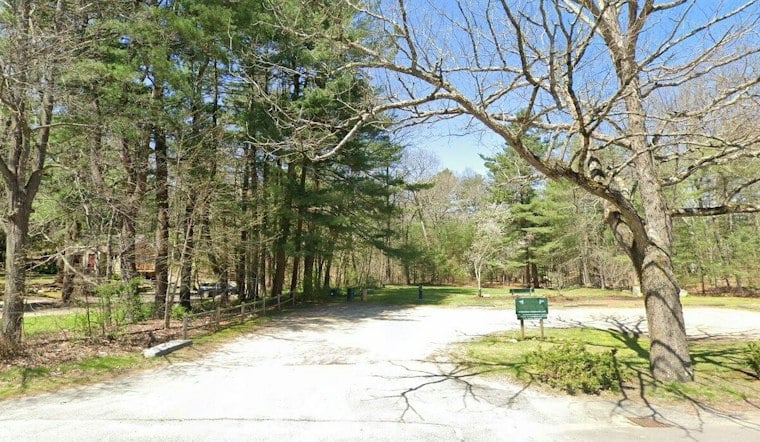
A long-debated housing proposal for a roughly 30-acre swath of Framingham's Nobscot neighborhood has shrunk again, with the latest version calling for between 325 and 350 units — down from an earlier 416-unit plan that itself followed concepts once contemplated at more than 1,000 potential units back in 2024. The Planning and Zoning Subcommittee discussed the scaled-back proposal on November 9, but has not finalized a unit count, leaving the project in limbo even as one councilor pushes to speed things along.
The site sits near Edmands and Edgell roads in northern Framingham, where developer J&Company is seeking a zoning change that would allow higher-density residential construction on land that currently isn't zoned for housing by right, according to accessfram.tv. A draft zoning proposal described in that reporting would cap density at 12 units per acre, or about 360 units total across the parcel, with building heights limited to 2.5 stories (35 feet) for structures with six or fewer units and four stories (50 feet) for larger buildings. The Milford Daily News reports the parcel was ultimately excluded from Framingham's final MBTA Communities zoning map, leaving this separate rezoning push as the path forward for any development there.
The unit counts tied to this property have shifted repeatedly over roughly two years of discussion. A 2024 concept from J&Company called for 415 units mixing multifamily and townhouse options across 30 acres, per accessfram.tv's reporting on that earlier presentation to city councilors. A February 2026 account described the plan as 416 units, while a separate June 2026 concept circulated by the neighborhood group Friends of Nobscot showed 357 units — a mix of townhouses and multifamily buildings — on 28 acres, according to futureofnobscot.com. That same group's materials describe a proposed rezoning allowing 15 units per acre, which it said matches the density used under MBTA zoning rules.
Councilor Pushes for a Timeline
District 6 Councilor Phil Ottaviani said he wants the proposal in front of the full City Council within 45 to 60 days, arguing the prolonged delay is unfair to neighbors, the landowner, the City Council and Framingham residents generally, per the Milford Daily News's account of the subcommittee discussion. Subcommittee chair and District 1 Councilor Christine Long agreed that moving the proposal to the full council — which has 11 members — remains the goal, even as councilors weigh additional changes to the zoning language.
Those changes under discussion include requiring J&Company to drop a provision that would have let the developer pay cash instead of building affordable units, with the subcommittee instead supporting Framingham's local standard that 13% of all multifamily units be affordable, according to accessfram.tv. Councilors have also proposed increasing open space within the project and finalizing the unit count before any vote. J&Company has reportedly made changes of its own, including larger setbacks, buffer areas and stricter height limits near neighboring properties, and the developer anticipates negotiating a memorandum of understanding with the city requiring public benefits tied to any higher-density approval.
Survey Shows Deep Neighborhood Resistance
Opposition from nearby residents has been loud and organized. Friends of Nobscot mailed survey invitations to about 3,200 Nobscot homes and tracked roughly 750 responses from more than 600 addresses, with answers collected in August and September, group members Carol McGarry and Annie Murphy told the subcommittee when they presented the results on November 9, per accessfram.tv. The survey required respondents to provide their names and addresses, and organizers said they used direct mail rather than social media or existing email lists specifically to limit bias and reach residents beyond the project's known opponents.
The results were striking: about 93% of respondents said they would oppose any changes to the current zoning regulations, while 97% raised concerns about traffic in the area. Roughly 94% favored preserving woodland through an expansion of Nobscot Park, and about 93% said they'd prefer a development of 90 units or fewer if the area is rezoned at all — far below any of the counts J&Company has floated.
Jeffrey Roelofs, who represents J&Company, acknowledged the survey highlighted important concerns but questioned whether the roughly 19% response rate meant the results truly represented the broader Nobscot community, raising the possibility of response bias among those who chose to participate, according to the same accessfram.tv report. No new rezoning measures within Nobscot have been enacted as of the subcommittee's most recent meeting.
The Dover Amendment Looms as Leverage
J&Company has also been marketing the property for potential educational or religious uses under the state's Dover Amendment, which exempts those uses from certain local zoning restrictions — meaning Framingham could regulate the size of a qualifying building but could not deny such a use outright. Roelofs said that marketing effort would continue if the zoning amendment process stalls, giving the developer a fallback option regardless of how the housing debate plays out. Long said a permit for Dover Amendment use already exists on the property, underscoring the pressure facing councilors as they weigh the rezoning request.
The subcommittee is expected to keep reviewing the proposal and the related zoning changes before deciding whether to send the matter to the full City Council for a public hearing. The broader fight over density in Nobscot isn't new — a 2024 Planning Board recommendation tied to Framingham's separate MBTA Communities compliance plan would have allowed 552 units in Nobscot as part of a citywide total of 4,953 units, well above the 4,355 required for compliance, according to a post from Framingham District 2. A rival plan from the Sisitsky Administration at the time called for 620 units in Nobscot and 133 in Pinefield, while a separate 2024 memorandum of agreement for the Edmands Road parcels would have required half the units to be home-ownership options with a preference for townhouses and condos. For now, though, it's this narrower rezoning fight — not the citywide MBTA compliance debate — that will determine what, if anything, rises on the 30 acres near Edmands and Edgell roads.





