

























































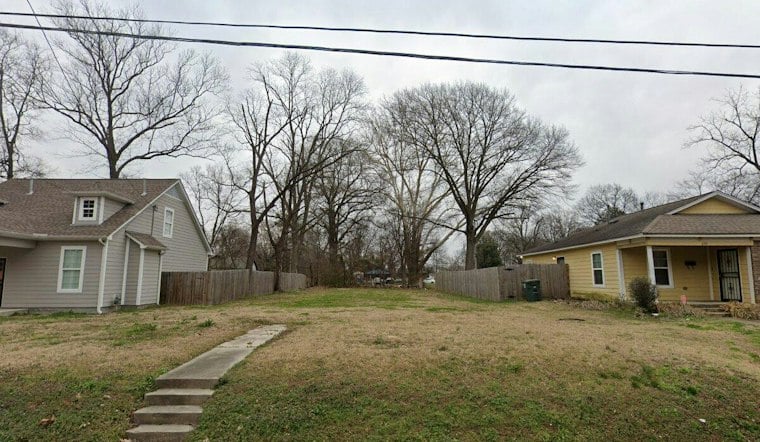
Dozens of new eco-build homes are taking shape across North Memphis, with a developer securing lots and breaking ground on energy-efficient houses backed by $1 million in utility funding. The project, led by Bee Development, is designed to lower homeowners' monthly bills while adding fresh housing stock to a part of the city that has seen years of vacant lots and stalled redevelopment.
Bee Development is in the process of building and securing lots to add dozens of new eco-build units in Memphis, according to WREG. The company is led by Tennessee housing developer Evaniel Johnson, who studied decades ago at Humes Middle — a school WREG notes also happens to be Elvis Presley's alma mater. Johnson said the effort is meant to improve residents' quality of life rather than benefit him personally, telling the station he grew up in the community and intends to make a difference.
How the Incentive Money Works
The project is getting a boost from $1 million in funding provided by the Tennessee Valley Authority and Memphis Light, Gas & Water, per the station's report. That money flows through a building incentives program that provides builder refunds in exchange for constructing energy-efficient, eco-build homes — even though building those homes can cost more upfront than conventional construction, the same account notes.
MLGW describes its underlying EcoBUILD effort as a voluntary program created to promote energy efficiency and environmental sustainability, according to MLGW's incentive policy documents. For new affordable homes built in subdivisions, that policy offers eligible builders refunds of electricity, gas and water connection fees, provided the homes meet EcoBUILD standards. MLGW says a home built to those standards is designed to be 30% more energy efficient than typical residential construction in Shelby County, and that EcoBUILD homes get inspected twice to confirm they meet program guidelines, according to the utility's EcoBUILD program page. WREG reported that MLGW says homeowners' ongoing utility costs in these homes can be as much as 30 percent lower.
A Small Piece of a Much Bigger Goal
Mayor Paul Young attended the development effort in Memphis as part of his push to bring 10,000 new housing units to the city by 2030, and he said the city is about 40% of the way toward that goal, per WREG's reporting. Getting there won't be easy: Memphis has added only around 1,000 to 1,200 homes per year in recent years, and hitting the mayor's target would mean nearly doubling that pace, according to MLK50: Justice Through Journalism.
Money for affordable housing has also been tightening even as the city chases its goal. Memphis' Affordable Housing Trust Fund allocation fell from $5 million in fiscal year 2024 to $3.6 million in FY2025 and down to just $2.65 million in FY2026, MLK50 reported. City officials estimate Memphis needs roughly 39,000 units of affordable housing just to meet current demand, the outlet's reporting shows.
Other North Memphis Projects Underway
Bee Development's work adds to a patchwork of other efforts aimed at filling in North Memphis' vacant lots. The Memphis and Shelby County Community Redevelopment Agency made 82 scattered lots available for new home construction through its Essential Housing Program starting in February 2025, according to the Memphis and Shelby County Community Redevelopment Agency, which said it can provide gap funding to help offset high demand and rising material costs for affordable construction.
Elsewhere in the area, Memphis Habitat unveiled a $13.3 million housing project in North Memphis, according to the Memphis Business Journal. The City of Memphis has also been working with different developers a few lots at a time to connect vacant parcels throughout the neighborhood, as previously detailed by The Daily Memphian. Other cities have tried different approaches to spur similar construction — Montgomery County, Maryland, for instance, offers developers low-interest loans in exchange for building a certain percentage of affordable units, per MLK50's reporting.





