

























































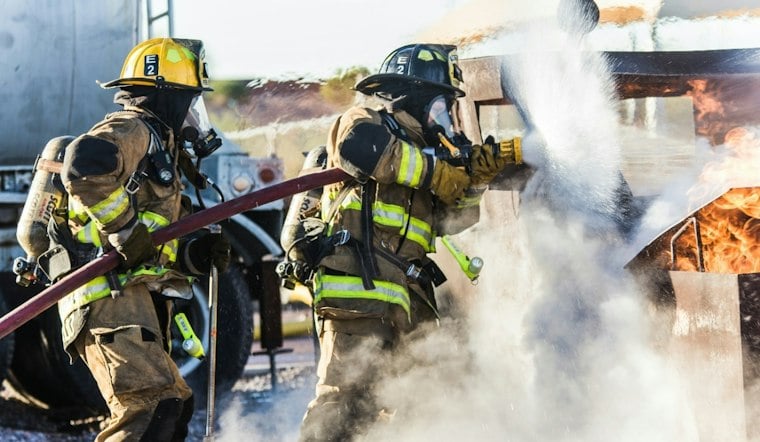
Eight Northborough firefighters could find themselves without jobs when a federal grant that pays their salaries runs dry in March 2028, town officials say, just as the department leans on those extra positions to keep up with a rising tide of overlapping emergencies. The warning comes as Northborough also braces for a $1.8 million budget gap in the upcoming fiscal year, leaving little room to absorb the cost of keeping the firefighters on staff.
The positions exist because of a Staffing for Adequate Fire and Emergency Response, or SAFER, grant that covered eight firefighters’ salaries, benefits, pension and Medicare costs at 100 percent for 36 months, according to Community Advocate. The funding allowed the department to boost staffing per shift from five firefighters to seven, a jump that has reshaped how crews respond when multiple calls come in at once.
That staffing bump has already been tested in the field. On a Wednesday morning earlier this year, Northborough’s duty shift responded to six emergencies in just three and a half hours, according to Patch. Shortly before noon that same day, crews were handling two of three overlapping ambulance calls while mutual aid responded to the third, the outlet reported.
Why the Extra Staffing Matters
Fire Chief Keith Darling told the select board that overlapping emergencies account for 37 percent of the department’s incidents, per the Community Advocate’s report. At pre-SAFER staffing levels, the department could only handle two simultaneous emergencies at once; with the grant-funded positions in place, it can handle three. The town has logged more than three simultaneous emergencies on 116 occasions, the same report notes.
The hiring push traces back to spring 2025, when Northborough brought on nine new firefighters — eight with salaries initially covered by the federal grant — pushing the department’s roster from 20 positions to 28, according to MetroWest Daily News. At the time, officials said the grant would pay those eight firefighters’ salaries and benefits for three years, after which the town would be on the hook for the costs. Officials had requested $400,000 from free cash for a stabilization fund meant to help cover those expenses once the grant ran out, the paper reported.
Looking for Ways to Close the Gap
Darling pointed to the department’s ambulance billing as one possible offset, telling the select board the department could raise as much as $167,000 by increasing its ambulance rate to the regional median, per the Community Advocate’s account of his presentation. He also noted that recruiting, training and equipping a single paramedic costs between $83,000 and $89,000 — a figure that underscores how costly it would be to rebuild the roster if the positions are cut and later need to be refilled.
The select board continues weighing ways to avoid a property tax override amid the expected deficit, with further discussion of the firefighter positions anticipated at upcoming meetings, the news outlet reported. No final decision on the positions’ fate has been announced.
A Statewide Pressure Point
Northborough’s ambulance-rate math sits against a broader statewide backdrop: a Massachusetts chartpack has indicated that median payments for municipally owned ALS 1 emergency services grew from just under $1,500 in 2017 to more than $2,000 in 2020, according to a report posted on mass.gov. For a town already bracing for a seven-figure budget shortfall, even incremental revenue shifts in ambulance billing could factor into how officials approach the firefighter funding question heading toward 2028.





