

























































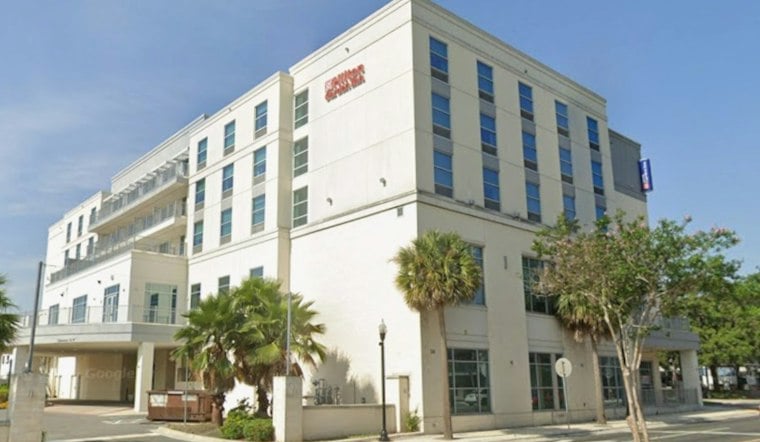
Balconies sagging six inches over a twelve-foot span, water damage and signs of rotting floor joists prompted Ocala’s chief building official to declare every balcony room at the downtown Hilton Garden Inn unsafe for occupancy. The city approved a shoring plan for six of those rooms, while the hotel’s owner insists the problem has been overstated; shoring work was expected to begin over the weekend or early the following week, and the owner planned to submit an engineer’s letter within a few days so the remaining rooms could return to service.
Inspectors Found Rot After an Anonymous Complaint
The trouble surfaced after inspectors Benjamin Maxson and Greg McClellan visited the hotel following an anonymous complaint, according to Ocala Gazette. Maxson later wrote in a letter that he observed sagging balconies between the third and fifth floors, water damage and signs of rotting floor joists. He determined the balcony condition failed Florida Building Code load and deflection standards, and he advised hotel staff not to rent rooms with balconies — even as a staff member said at the time that she was about to do exactly that, and as rooms served by the damaged balconies remained occupied.
Jake Daly told inspectors that no structural engineer had yet evaluated the damage, though an architecture firm was assisting, and he said he could not allow further access to the property without the owner or manager present. Inspectors — Maxson, McClellan, Clayton Anderson and Jeff Shrum — were later shown the same two rooms plus two additional balconies. During that visit, they found a ceiling patch and repair in one of the two entered rooms that had no permit, a violation the article reports ran afoul of both the Florida Building Code and a city ordinance.
Permits Required Before Repairs, State Law Says
Florida law generally makes clear that such fixes cannot happen without sign-off first. Per the Florida Legislature, it shall be unlawful for any person, firm, corporation, or governmental entity to construct, erect, alter, modify, repair, or demolish any building within this state without first obtaining a permit. The statute also generally requires a local building code administrator or inspector to review plans and specifications for compliance before issuing that permit, subject to statutory exceptions, and it preserves the authority of state and local agencies to inspect and enforce codes in their own jurisdictions.
On Oct. 29, the city’s chief building official declared all balcony rooms at the hotel unsafe for occupancy. Maxson required that the rooms stay vacant until a registered design professional confirmed their safety, or until permitted, inspected and approved repairs were completed. The following day, he kept that closure in place after surveying the balconies himself, and he thanked owner Danny Gaekwad for not renting balcony rooms until they could be certified safe. Maxson also cited a warning from Miles Anderson that the damage was growing and that structural failure could trigger a domino effect.
Owner Pushes Back, Points to Contractor’s Findings
Downtown Ocala LLC, which owns the hotel, has firmly disputed the city’s characterization. Austin Thacker, a partner at Holland & Knight representing the company, said the closure decision relied on visual observations rather than plans, destructive testing or standard protocols, and he said the company denies that any hotel rooms were ever unsafe for occupancy. Gaekwad, the company’s registered agent, declined an on-record interview on the advice of his attorney but invited an Ocala Gazette reporter to tour the hotel, which opened six years before the article was published.
The owner hired Dhruv Development to examine the balconies after the city issued an exploratory permit for that work. Amit Patel, the company’s chief executive, wrote that the balconies were generally in good shape but might have been incorrectly constructed. Dhruv Development’s inspection found deterioration of a beam in the ceilings of rooms 332 and 334 as the only deficiency, and Downtown Ocala LLC identified six rooms where the balcony slope could arguably require shoring.
Shoring Plan Approved, Case Still Open
The city approved that shoring plan on Nov. 12. Thacker said the hotel’s contractor plans to begin the shoring work either early the following week or over the weekend, and the company plans to submit a signed and sealed structural-engineer letter so the remaining balcony rooms can return to service within a few days. Despite that progress, the hotel’s code enforcement case remains open, with a follow-up scheduled by the city for Nov. 19.
Questions about the hotel’s history linger in the background of the dispute. An architect reportedly raised balcony concerns with the city more than a year before this case, and the building official in place at that time concluded no action was needed. The city declined to answer questions about the hotel and its 2025 inspection review, with Greg Davis saying the city would allow the open code enforcement process to play out before providing more information.
A Hilton spokesperson said on Nov. 10 that the Hilton Garden Inn in downtown Ocala is independently owned and operated, and that Hilton maintains brand standards hotels are expected to follow. The spokesperson did not respond to a follow-up question about whether the hotel met those standards.



