

























































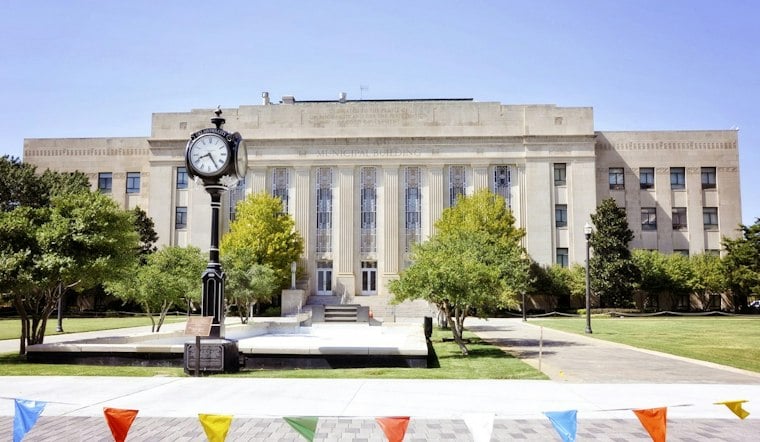
Oklahoma City has launched a 10-year strategy to build and repair 45,000 homes, an effort city officials say is needed to keep pace with rising prices and a population expected to swell toward one million residents by 2055. The plan arrives as more than 77,000 households in the city already spend over 30% of their income on housing, a threshold officials define as cost-burdened.
According to The Journal Record, the strategy builds on the city's 2021 Housing Affordability Study and its 2025 Housing Affordability Implementation Plan, marking Oklahoma City's first citywide housing implementation strategy. Under the plan, the city aims to build more than 11,000 new housing units and repair or rehabilitate 34,000 existing units over the next decade. City staff say they intend to exceed those targets, and the Oklahoma City Planning Department plans to hold a strategy review forum for developers, nonprofits, lenders and other partners, though no date has yet been scheduled.
Separately, The Oklahoman reports the city is set to spend $130 million on affordable housing over the next decade and cites a goal of building 4,000 homes a year, while a city webpage describes a target of 4,600 new homes annually alongside preservation or rehabilitation of 1,000 units a year. It is not clear from available information whether these figures describe the same accounting period or methodology.
A Billion-Dollar Gap
The scale of the challenge is daunting by the city's own estimates. Per KOCO, city staff estimate $1 billion is needed to build and preserve the full 45,000 units, and existing resources may cover only about 13% of that cost. The station also reports Oklahoma City's population currently stands at approximately 720,000 and is projected to top one million by 2055.
Shannon Entz, strategy implementation manager for the city's planning department, told the outlet the city needs 11,000 homes over the next 10 years just to meet immediate demand, and that Oklahoma City must provide enough housing to support its anticipated growth. Entz said some public funding may be available at every income level and plans to seek philanthropic groups, supporters, grants and housing-sector partners to help close the gap.
Funding Sources Split by Income Level
City funding under the plan is structured around income tiers. Public housing funds will target households earning 60% or less of area median income, while moderate-income households — defined as those earning 61% to 80% of area median income — will receive support mainly through MAPS 4 and federal programs, including Community Development Block Grants and the HOME Investment Partnerships Program. Higher-income households, earning 81% to 120% of area median income, will rely largely on private funding.
The city will direct bond funds and MAPS 4 money toward lower-income residents and urban infill, according to the same report from The Journal Record. Earlier Journal Record reporting also noted the city plans to direct $55.5 million through MAPS 4 to the Oklahoma City Housing Authority for housing programs. For context, a one-person household earning 80% of area median income in Oklahoma City has an annual income of $54,000.
Why a $270,000 Median Home Leaves Buyers Behind
The affordability math behind the plan is stark. A staff presentation said a household spending no more than 30% of its income on housing would need a home priced near $174,000 — nearly $100,000 below the city's current median sale price of $270,000, according to the seed reporting. Ward 2 Councilman James Cooper said that median price excludes many middle-income buyers and that home prices have risen considerably since the starter homes of the 1980s and 1990s.
“It’s not a bunch of lazy layabouts who can’t get a home right now,” Cooper said, according to the article. Nationally, the National Association of Realtors has reported the median age of first-time U.S. homebuyers is now 40, a record high. Current construction costs exceeding $200 per square foot add to the pressure facing builders, and the city is exploring options for building new houses amid rising development costs.
Rents, Evictions and a City's Affordability Paradox
The push comes against a backdrop of worsening affordability metrics documented in earlier reporting. Oklahoma City home sale prices rose an average of 10.9% annually since 2020, reaching an average of $294,967, while average monthly rent hit $1,027 in 2024 even though rent considered affordable for households earning 60% of area median income was only $876, The Oklahoman reported in February 2025. That same report described the 2025 Housing Affordability Implementation Plan as carrying a 10-to-15-year timeline.
The city's 2024 Point in Time Count found 1,838 people experiencing homelessness, an increase of 402 from the year before, and Oklahoma recorded 48,070 eviction filings statewide in 2024, up from 46,668 in 2022, per the Journal Record's earlier coverage. Average rent prices in the city rose 2.6% year over year in February 2026. The same report noted MarketWatch Guides had named Oklahoma City the nation's third most affordable city, with a typical home value of $201,647, even as 96% of the city's residential land remains zoned exclusively for single-family dwellings — a zoning pattern the report ties to the broader affordability squeeze.
Residents can find permit activity and housing subsidy information at okc.gov/housing, per the seed reporting authored by Sam Royka.





