

























































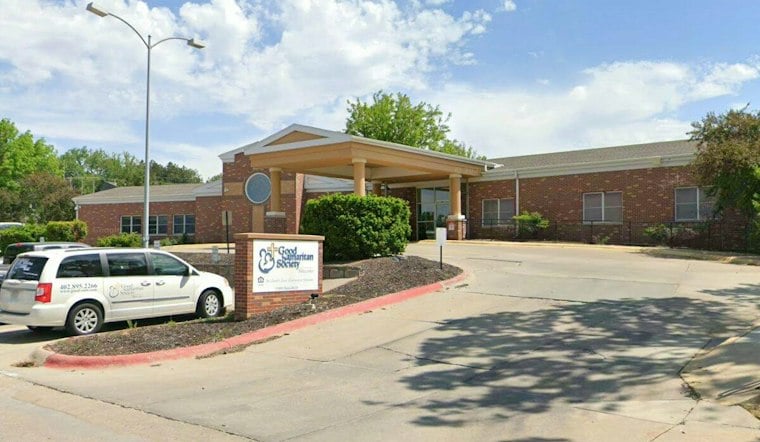
An 89-year-old former Marine with Alzheimer's disease broke his neck and back after a fall in October, and his daughter — a former Nebraska state senator — says the facility meant to help him recover instead left him wandering alone, searching for a restroom, with no staff member aware he was missing. Now Carol Blood is pushing state lawmakers to toughen Alzheimer's and dementia training requirements at rehabilitation facilities across Nebraska.
Blood's father received care at Good Samaritan Society in Millard following surgery, as reported by KETV. He had been transferred there, according to a separate KETV report, after his fall and surgery required placement in a general rehabilitation facility for seniors. Blood said that after she had spoken with staff about her father's care needs, she returned the next day to find him alone in his room. She said he might have died had he fallen again while wandering unsupervised.
A Daughter's Fight for Dignified Care
Blood said her father did not receive dignified, person-centered care, and that his family had to fight for his safety. She has since moved him into an independent living home with his wife, and says he is much happier there now. Blood argues dementia training should not be treated as paperwork but as a basic safety measure — noting, for example, that staff working with many dementia patients should learn to offer alternatives rather than simple yes-or-no questions, since patients who can't express unmet needs may miss meals or have accidents.
Blood wants families to be able to readily find inspection reports, staffing records and dementia care disclosures so they can choose safer care for loved ones. Her push comes as Nebraska's Department of Health and Human Services requirements already call for Alzheimer's and dementia training during employee orientation within two weeks of hire, plus at least four hours of ongoing training annually, if a facility serves residents with those conditions.
What Regulators Found at the Millard Facility
Good Samaritan Society in Millard carries a disciplinary record dating back to 2011. In June 2026, the facility was fined $57,400 and its license was placed on 90-day probation, according to a DHHS disciplinary action notice that found the facility had not addressed concerns tied to deficient practice identified in its annual federal quality assurance survey. A CMS report from May described incidents of actual harm affecting dozens of residents with cognitive impairments at the Millard home, spanning roughly 40 pages and citing cases ranging from significant weight loss to infrequent bowel movements.
Nursing home records compiled by ProPublica list the facility at 12856 Deauville Drive in Omaha.
In response, Good Samaritan Society said its staff are undergoing the required Alzheimer's and dementia training, and that it follows state training regulations for all team members. The Society said its training covers how to identify internal, environmental and caregiver factors that may contribute to behavior changes, recognize early signs of anxiety, and respond with person-centered interventions aimed at preventing distress and preserving residents' dignity and safety. The facility said it completed corrective actions after the June disciplinary notice and has returned to compliance, adding that it reviews complaints fully, takes them seriously, and considers resident health, safety and wellbeing its top priority. Blood said a statement of restored compliance does not erase what happened to her father.
How Training Looks Elsewhere in the System
To see what more intensive training can look like, KETV Investigates visited Immanuel's Newport House, where Cameo Rogers trains staff across the Immanuel long-term support system. Rogers said her dementia curriculum exceeds all federal regulations, and Immanuel says its training goes beyond what the state requires. The training there includes staff role-playing with colleagues and community residents. Rogers said interactive training helps cement those skills, but cautioned that recent funding cuts can challenge facilities' ability to train properly — communities need adequate resources and funding to meet the requirements, she said.
Nebraska's Training Rules in Broader Context
Nebraska's current framework sits against a patchwork of older state comparisons. A 2015 review by the Alzheimer's Association found that 44 states and the District of Columbia had laws requiring dementia training for assisted-living staff, while only 23 states required such training for nursing-home staff. The same 2015 review reported that Nebraska required Alzheimer's-specific training for assisted-living administrators and direct-care staff in special care units. Nebraska statute 71-516.04 further specifies that training required under that provision must include topics pertaining to the form of care or treatment described in a facility's disclosure, according to the Nebraska Legislature's published text.




