

























































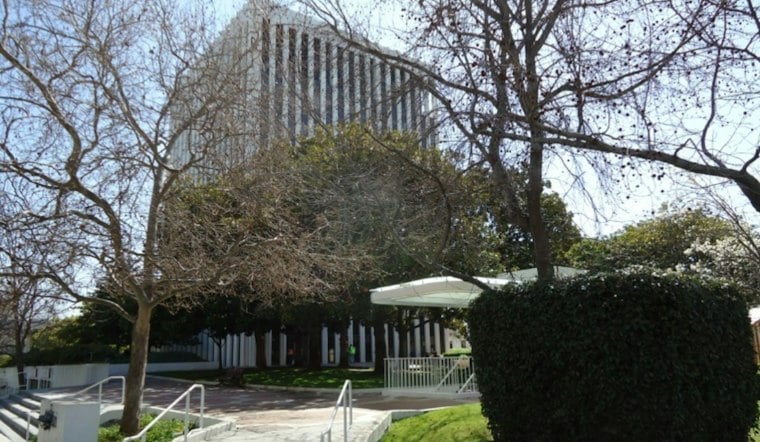
Palo Alto's City Council voted 4-2 to advance a revised plan for a three-tower housing project at 156 California Avenue, the site of a Mollie Stone's market, after developer Redco added nearly 100 parking spaces at the city's request while cutting 28 affordable units from its original proposal. The vote sets the stage for what could become the city's tallest residential development in years, built on a site that has been at the center of a tense standoff between the developer and local officials for months.
Redco submitted its updated planning documents for the site on September 3, according to Palo Alto Online. The latest plans call for 390 housing units and 396 parking spots, after Redco added an underground parking level with capacity for roughly 100 additional stalls. The council had objected to an earlier version of the revised plan that cut 23 parking spots compared with the original proposal, and Redco's decision to add the extra underground level came as a voluntary concession to address that concern.
That concession came with a tradeoff. The revised proposal includes 28 fewer affordable units than Redco's original plan, even as the tallest of the three towers was reduced from 17 stories to 14. Council member Pat Burt, one of two members who objected to the revised plan, said losing the affordable-housing units was significant, according to the same report. Fellow council member Keith Reckdahl also objected to the tradeoff, while Vicki Veenker was absent from the vote, which ultimately passed 4-2.
Why Redco Added the Parking
Redco co-founder Chris Freise said in an email that the decision to add parking was motivated by comments council members made during a May hearing, per the Palo Alto Online report. The project has moved through a series of revisions since then, with the site's three towers and unit counts shifting repeatedly as the developer and city negotiated.
Back in May, an earlier alternative proposal for the site called for 390 units with just 50 designated as below-market rate, down from 78 of 382 units in the initial application, the outlet reported at the time. That May proposal also envisioned one 14-story tower and two 12-story towers, a reduction from the original application's towers of 17, 11 and seven stories. Parking figures for that alternative proposal varied between reports: one Palo Alto Online account put the figure at 266 stalls, down from 290 in the original design, while a separate report from the same outlet days later described the plan as including 200 parking spaces. Those numbers have not been reconciled in available reporting.
A Project Born From Builder's Remedy
The 156 California Avenue project moved forward under the state's builder's remedy provision, which allowed Redco to bypass local zoning restrictions after Palo Alto missed the deadline to certify an eight-year housing plan with the state. The project has been described as the most ambitious proposal filed through builder's remedy in the city. Council members Ed Lauing and Greer Stone negotiated directly with Redco over the project in May, and Lauing said at the time that the city had little leverage to control the project's height and design.
During those negotiations, Redco reduced the tallest building's proposed height, and Redco's attorneys had threatened litigation against the city over what they called unnecessary delays in approving the project. Lauing and Stone forwarded revised plans to the full council in May, and those plans included a tolling agreement meant to temporarily halt legal action while talks continued. Stone said at the time that the compromise was possible because the applicant acted in good faith and all parties sought a better outcome for the community.
Dueling Claims Over Environmental Review
The project's environmental-review status has also been a point of dispute. Redco's attorneys argued the project was exempt from environmental analysis under Assembly Bill 130, and said they would invoke a separate law, Assembly Bill 1633, if necessary — a law that grants developers additional leverage to sue over environmental analysis mandates. The text of AB 130 itself, as published by the California Legislative Information website, says it would exempt qualifying housing projects from California Environmental Quality Act requirements if they meet specified conditions, though the bill text alone does not establish whether the Cal Ave project qualifies.
Palo Alto's own position has shifted in the public record. A May report cited planning staff describing the project as statutorily exempt from CEQA review as an urban infill housing development. But the more recent account states that Palo Alto said Redco was still required to complete an environmental analysis. The two positions have not been reconciled in available reporting, and it remains unclear which account reflects the city's current stance.
A Regional Pattern of Affordable Unit Cuts
The tradeoff playing out in Palo Alto echoes a similar dynamic in Mountain View, where a developer behind a 216-condominium project on Gamel Way — built through the same builder's remedy process and poised to replace 29 rent-controlled apartments — revised its plans to include 29 affordable condos instead of the 44 originally proposed, according to San José Spotlight. Residents at that project's hearing raised concerns about traffic and parking congestion and potential safety hazards near elementary schools, concerns that mirror the parking debate now playing out around the Cal Ave towers.
Riley Cooke, who reported the Palo Alto Online story, covers city government for Palo Alto Weekly and Palo Alto Online and joined the outlet in 2025 after graduating from UC Berkeley with a bachelor's degree in political science.




