

























































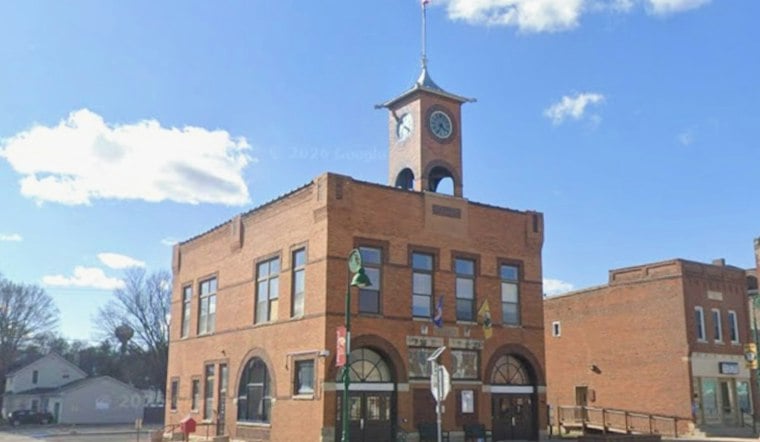
A Pine Island, Minnesota City Council race came down to a 1974 quarter after incumbent Delana Weis and challenger Dominick Pahl each pulled exactly 711 votes in the Nov. 3 election. With no winner on the books and no tiebreaker built into the ballot count, city officials called a special meeting, flipped a coin, and settled the seat.
Weis called heads before the toss at Thursday's special meeting at Pine Island City Hall, and the quarter landed heads-up, handing her the win, according to Minnesota Public Radio. The outcome kept Weis in the seat she already held, while Pahl, the challenger, walked away empty-handed but not bitter. “It's great. I'm glad Delana's doing it,” Pahl said, according to the same report. He added that he plans to run for office again in the future.
The tie was a dead-even split, and state law anticipates that possibility. Minnesota statute spells out exactly what happens when an election ends in a draw: according to the Minnesota Revisor of Statutes, the governing body must determine the result by lot. That's the legal mechanism that turned the tied City Council seat into a coin-toss ceremony inside City Hall.
A Second Minnesota Tie Broken by Bag, Not Coin
Pine Island wasn't the only Minnesota town settling an election by chance this month. Three days before Weis called heads, Spring Lake Park resolved its own mayoral tie by putting the candidates’ names in matching toothpick canisters inside a tote bag, then drawing one. Candidates Bob Nelson and Halyn Roth had each pulled in exactly 1,401 votes, a coincidence detailed by CNN.
That kind of statistical knot isn't as rare as it sounds, particularly in races with small turnout. An elections law expert told CNN that the likelihood of a tie climbs as an election gets smaller, and Minnesota is far from the only state built to handle the problem. At least 28 states require some form of random drawing to break tied legislative races, according to the National Conference of State Legislatures, as cited by CNN.
Coin Flips, Card Hands, and Ping-Pong Balls
Minnesota's two coin-and-canister tiebreakers this month join a long, odd history of American elections decided by games of chance. In 2014, officials in Neptune Beach, Florida ran through several rounds of luck to break a tied city council race, with judges drawing from a hat and calling a coin toss before candidates pulled a numbered Ping-Pong ball from a bag, CNN reported. And in Estancia, New Mexico, a 1998 mayoral tie was settled after a coin toss determined what game would be played; the presiding judge dealt the five-card stud poker hand, and the coin-flip winner went on to take the deciding hand, per CNN's account.
Back in Pine Island, the council seat wasn't the only local contest on the Nov. 3 ballot. Tosca Wohl claimed the city's other open council seat outright in that election, according to Minnesota Public Radio's reporting. This year's Pine Island races also drew heightened attention from residents fighting a proposed Google data center in the city, with fierce community opposition to the project spurring some political newcomers to run for office in the first place, the outlet noted.
For now, Weis keeps the seat she already held, and Pahl says he'll be back on a future ballot. In a town small enough for an election to end in a flat tie, the next contest may not need a coin at all — but Pine Island now has a playbook if it does.



