

























































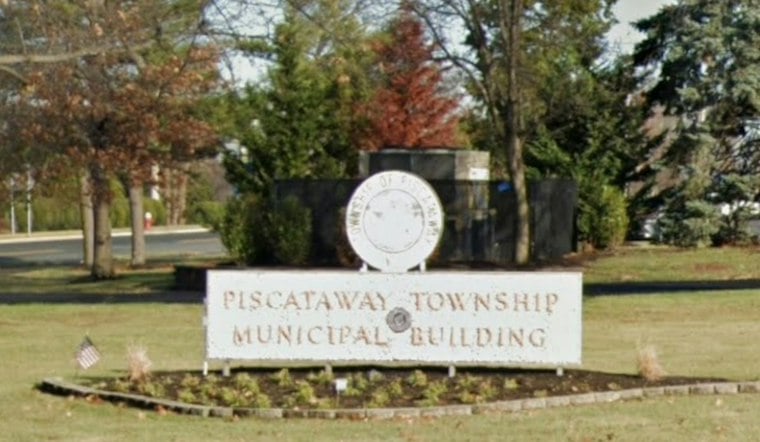
The Piscataway Township Council backed off a plan to kill interactive Zoom public comment at council, planning board, and zoning board meetings on Tuesday, tabling the proposal after residents spoke in person and on Zoom to object. The measure would have kept online and local cable livestreams running but stripped out the ability for remote viewers to raise a virtual hand and actually speak during public comment.
According to TAPinto Piscataway, residents who spoke out said Zoom lets people with health or transportation challenges, difficult work schedules, and disabilities ask questions and weigh in on township business without needing to show up in person. Losing that option, opponents argued, would effectively lock out evening workers and others who simply cannot make it to a meeting room on a given night.
The access fight centers on the Transparency, Access and Public Engagement ordinance, known as TAPE, which Piscataway voters approved in the 2021 general election. TAPE currently requires the township to use interactive technology such as Zoom for remote participation in public meetings of the council, planning board, and zoning board of adjustment, and it mandates that meeting recordings be posted online, aired on local cable, and that agendas and minutes stay available online for seven years.
New Jersey’s Open Public Meetings Act sets a narrower baseline: it requires municipal governing bodies to reserve a portion of every meeting for public comment, while leaving them discretion to permit, prohibit or regulate the public’s active participation. The statute does not itself require a Zoom speaking option at an otherwise in-person meeting. Piscataway’s TAPE ordinance is the source of the township’s more specific remote-participation requirement, making the local voter-approved rule central to the dispute. The state statute’s public-comment provision sets out that baseline.
TAPE began as a resident-led initiative, not a post-pandemic administrative policy: a committee filed a draft ordinance for the November 2021 ballot, and the Appellate Division later recorded that voters passed it and Piscataway implemented it. The initial reported tally was 8,247 yes votes to 3,141 no votes, with additional mail, provisional and emergency ballots still being counted. The petition aimed to make council, planning and zoning meetings accessible through interactive technology and require online and cable recordings. The court’s account of the voter initiative and the election tally reported at the time trace the rule’s origins.
Council President Cites Staffing Burden
Council President Michele Lombardi defended the push to scale back remote participation by pointing to staffing costs, saying the township currently assigns three employees to handle Zoom access at each meeting. She said relatively few people regularly use Zoom to speak at meetings.
“Everyone is welcome to come to our meetings,” Lombardi said, framing in-person attendance as the alternative for residents who want to be heard. The remark drew pushback from residents in the room who argued that framing ignores the reasons many people rely on remote access in the first place.
A Broader Ordinance Gets Split Apart
The meeting-access changes were not standing alone. They were introduced on November 5 as part of a broader ordinance proposal that also included amendments covering police, animal control, parks and recreation, fire prevention, and sewer and wastewater regulations, among other chapters. That combined package came up for a second reading Tuesday, when the Zoom provisions ran into the resident pushback.
Councilmember Sarah Rashid moved to separate the meeting-access provisions from the rest of the ordinance so they could get further review at the next council meeting. The council then voted to table the matter altogether. The meeting-access changes are expected to return as their own standalone proposal, separate from the other ordinance chapters.
For now, the status quo holds: residents can still log into Zoom, raise a virtual hand, and speak during public comment at council, planning board, and zoning board meetings, just as TAPE has required since voters put it in place five years ago.




