

























































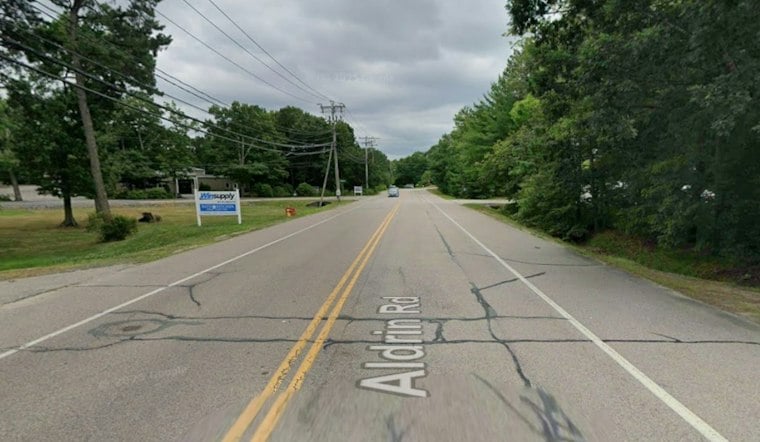
A fire broke out overnight at eWaste Solutions, an electronics recycling facility at 50 Aldrin Road in Plymouth, Massachusetts, and quickly escalated to three alarms as crews battled worsening conditions and a water pressure problem. No one was inside the facility at the time, and officials have reported no injuries.
According to WCVB, the fire started at 2:30 a.m. at the facility and grew to three alarms, though a separate WCVB search-result snippet put the start time closer to 3 a.m. — a discrepancy that has not been resolved. Plymouth Fire Department Chief Neil Foley said crews made an interior attack after encountering heavy smoke coming from the building and then encountered heavy fire and worsening conditions.
Water Pressure Problems Slowed the Initial Response
Firefighters were initially hindered by water issues before the water department was able to increase pressure at the scene.
Officials believe the stored electronics may contain lithium batteries, though that has not been established as the cause of the fire, which remains under investigation. The eWaste Solutions facility stores electronics as part of its recycling operations, and the State Hazmat Team was requested to conduct air monitoring at the scene as a precaution.
Roads Closed, Residents Told to Steer Clear
Aldrin Road and Apollo Road were closed while crews remained on scene, and community members were asked to avoid the area until further notice. It is not clear from available reporting how long those closures or the request to avoid the area lasted.
Fires involving lithium batteries at waste and recycling facilities are not unique to Plymouth. The U.S. Environmental Protection Agency identified 245 fires at 64 waste-management facilities between 2013 and 2020 that were caused or likely caused by lithium metal or lithium-ion batteries, according to Resource Recycling. The EPA has also cautioned that its own research likely undercounted the problem, since interviews and other evidence suggested lithium-ion battery fires were substantially underreported.
The trend extends beyond U.S. shores. A survey cited by the European Recycling Industries' Confederation found that 36% of surveyed waste electrical and electronic equipment recyclers experienced a severe fire between 2016 and 2019, the same Resource Recycling report notes, with the group estimating the average cost of more severe incidents at approximately €1.3 million, or about $1.5 million.
Industry Groups Have Pushed New Safety Guidance
In December 2025, three waste and recycling industry associations — the Solid Waste Association of North America, National Waste & Recycling Association and Recycled Materials Association — announced joint guidance covering battery identification, employee training, storage, handling and emergency planning at material recovery facilities, per Resource Recycling's reporting. The push reflects growing recognition that batteries hidden inside discarded electronics pose a distinct hazard once they reach sorting and storage operations.
The U.S. EPA has separately warned that lithium-ion batteries can catch fire or explode when crushed inside garbage trucks and sorting machines, as reported by cleveland.com. The National Fire Protection Association has said these fires burn much hotter and faster than regular trash fires, making them especially difficult to extinguish, and waste experts cited in the same report say improperly discarded rechargeable batteries spark hundreds of dangerous fires every year nationwide.
Back in Plymouth, the cause of the fire at eWaste Solutions remains under investigation. WCVB's reporting indicates no injuries have been reported in connection with the blaze.





