

























































Downtown Kansas City is growing, but not fast enough for Port KC president and CEO Jon Stephens, who wants a clear path toward 50,000 downtown residents by 2030. That goal would require roughly another 50% jump in population over just four years, a pace well beyond what current projections call for.
Stephens made the case in a report covered by Axios, arguing that downtown's population is climbing at a rate he considers too slow. The Downtown Council calculated downtown's population at roughly 33,300 residents in the first quarter of 2026, and the council's own projections anticipate nearly 11,000 additional residents over the next decade, pushing the total to about 44,000 by 2036 — a roughly 33% increase, according to the same Axios report. Stephens wants Kansas City to think bigger, and faster.
A Faster Timeline Than the Official Forecast
The scale of the ask is significant: reaching 50,000 residents by 2030 would mean compressing a decade's worth of growth into roughly half that time. Stephens said the opportunity for downtown growth actually exceeds the current development pipeline, pointing to available land, favorable market conditions and existing momentum as reasons Kansas City should be using bigger calculations and assumptions, per the Axios report.
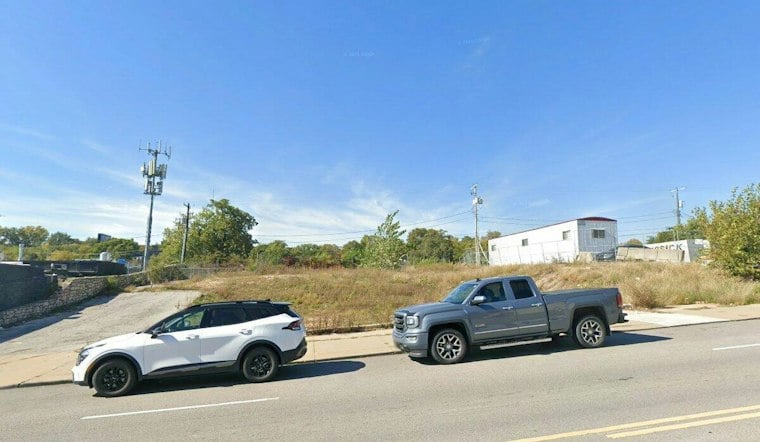
One striking example Stephens raised: apartments built on even half of downtown's surface parking lots could house a population well over 50,000, the report states. He described an urban Target as the “golden grail” for a city trying to reposition its core. Dossier reporting on separate downtown development activity shows the appetite exists — a proposed first phase at 1650 Broadway alone would bring a 33-story tower with 392 apartments, and The KC Pulse reports several other proposed downtown residential projects could add more than 1,700 additional units if they're all built.
The Case for Growth: Tax Base and Amenities
Stephens's pitch leans heavily on upside. More downtown residents, he said, could grow the tax base and attract grocery stores and department stores that downtown currently lacks. The reasoning tracks with broader local data: the Downtown Council has reported that downtown has recaptured 95% of its pre-pandemic foot traffic and that more than $10 billion in investment is anticipated to enter the downtown market over the next seven years, according to the council's own account on its website.
Stephens cited Austin's and Nashville's booms over the past decade as evidence of what's possible for Kansas City, according to the Axios report. In Austin, new residential towers have drawn money, businesses and restaurants to the city core — but that same boom has pushed teachers, musicians and nurses out to the suburbs, per the report. Stephens said Kansas City would focus on doing development better, though the dossier does not elaborate on what that would look like in practice.
Nashville's Warning Sign
Nashville's experience looms as a cautionary tale in the reporting. The city is experiencing serious growing pains, with residents being priced out of homes as property assessments skyrocket — a crisis the report says is affecting artists in particular. Rapid downtown population growth, the Axios report explains, could cut both ways for Kansas City too: it could help grow the tax base and support more downtown amenities, but it could also drive up housing prices and push out lower-income residents.
That tension shows up in Nashville's own planning documents. A 2025 Nashville housing strategy found that as amenities improved, many residents were having to move farther from their jobs and the city center in search of affordable housing, often facing longer commutes and a reduced quality of life, according to the report posted by the city of Nashville's government. Separately, the Tennessean reported that Nashville was named the nation's most intensely gentrifying city for 2010 to 2020 in a ranking by the National Community Reinvestment Coalition, and that one nearby census tract's median home value jumped from $100,170 in 2010 to $532,121 in 2020.
Affordability Already a Regional Strain
Kansas City isn't starting from a clean slate on affordability. Stephens said the effort is vital to maintaining and growing workforce housing, according to the Axios report, and regional housing data back up the concern. Median rents rose between 9% and 34% by county across the nine-county Kansas City region between 2020 and 2024, even as renter incomes grew between 12% and 41%, according to the Mid-America Regional Council. Rental units priced under $1,000 a month fell sharply across the region, from 145,019 in the 2015-2019 period to 76,134 in 2020-2024, the same data shows.
Home values climbed even faster, rising 43% to 72% across the region while median incomes for owner-occupied households grew only 20% to 33%, per the regional council's figures. The share of cost-burdened renter households — those spending more than 30% of income on rent — ranged from 32% to 41% across the region's counties. To address that gap, Kansas City's affordable housing trust fund aims, with a new regional housing fund, to invest $200 million over the next decade to build and maintain 10,000 affordable units in and around the city, according to the Axios report.
Downtown's population growth has roots that predate this latest push. The Downtown Council says downtown's residential population has increased 147% since 2000 to more than 33,000 residents, while the Kansas City Star has separately reported a nearly 147% increase since 2000 to more than 33,000 people living in greater downtown. Either way, the growth has come largely through adaptive reuse: the Downtown Council notes that more than 60 office buildings have been converted into apartments over the past 25 years, though the council also says the city will need solutions beyond just office conversions to keep growing while maintaining affordability.





