

























































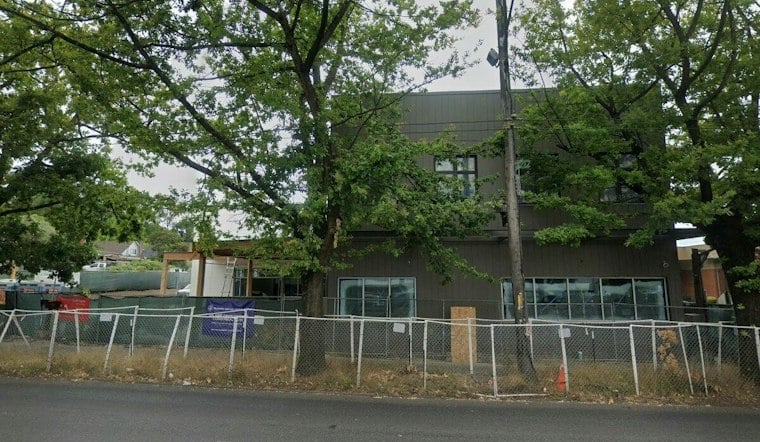
Rainier Valley Food Bank has moved out of the cramped 1,200-square-foot building it called home for more than two decades and into a nearly 12,000-square-foot food hub on Rainier Avenue South, and organizers say the extra room is already translating into a lot more food reaching South Seattle families. The new space includes a shopping area, a resource center, a courtyard and garden, and — for the first time — a full commercial kitchen.
According to The Seattle Times, the food bank previously operated for more than 20 years out of a 1,200-square-foot building north of Columbia City before relocating to its new address at 9021 Rainier Ave. S., next door to the Rainier Beach public library. The $17 million project has raised about $16.1 million so far, the paper reported, and the facility is open to the public from 9 a.m. to 4 p.m. Monday through Friday.
Food bank leaders have described the new building as a turning point. Gloria Hatcher-Mays said the larger facility enables more work and functions as a community hub, according to KOMO News. The nonprofit says it had been limited for years by its smaller building, and it continues to depend on volunteers to keep its programs running.
A Kitchen Led by Chef Love
At the center of the new space is a commercial kitchen run by Relasha Coleman, known to neighbors as Chef Love, who serves as the food bank's new kitchen coordinator, per KOMO. Coleman told the station that the new facility makes it possible to feed more people than before, a sentiment echoed in reporting from Converge Media, which described her as leading the kitchen operations at the heart of the expanded hub.
The food bank's free SPARK To-Go lunch program, open Monday through Friday from 11 a.m. to 2 p.m. or while supplies last, hands out bags that include a sandwich, fruit, a few snacks and a drink, with the exact contents varying day to day, according to the organization's own program page. Just how much that program has grown recently depends on which account you read.
Conflicting Counts on Lunch Growth
The food bank's own 2025 annual report says daily SPARK To-Go lunch distribution climbed from 75 to 140 lunches within less than a month of the move into the new Food Hub. Converge Media's reporting put the program's 2024 weekday average at 85 lunches, rising to 116 per day in 2025, and reaching what it described as a present-day average of 275 lunches distributed daily. KUOW, meanwhile, reported that the program had grown from about 75 lunches a day to between 350 and nearly 400 lunches every single day, citing food bank leaders directly. KOMO separately reported that the food bank has served up to 350 lunches per day on weekdays and as many as 400 on some days when grocery stores were open, with leaders saying free lunch program usage has more than quadrupled since 2024. The available reporting does not reconcile these differing figures.
Home delivery numbers carry a similar split. KUOW reported the food bank's home delivery program now reaches up to 700 households weekly, while the South Seattle Emerald has reported the figure at 750 families a week. KOMO has also cited roughly 750 households per week. It is not clear from the available reporting whether these counts reflect different time periods or counting methods.
Pandemic-Era Growth Set the Stage
This isn't the first time the food bank's services have surged. During the pandemic, home deliveries grew from 200 to 1,000 a week and To-Go Food Bags increased from 300 to about 600 per week, the organization said in a blog post announcing its building acquisition. That earlier spike helped push the food bank toward the larger facility it occupies today.
The need in the surrounding community remains stark. The food bank says one in four people in southeast Seattle are food insecure, compared with a King County average of one in 10, and that nearly 80% of children in its service area qualify for free or reduced-price lunches, versus 33% across the Seattle School District as a whole.
That local strain mirrors a broader statewide pattern. A University of Washington food systems survey covering March and April of this year, which drew responses from 5,717 Washington State residents, found that 48% of surveyed households had used food assistance in the past month, and that 69% of food-insecure households said they had reduced the quantity or quality of food they ate to cope with rising prices. Even among households earning between $75,000 and $150,000, 25% reported being food insecure and 26% said they had used food assistance, according to the same survey.
For now, the food bank says its expanded services remain open to all, regardless of income, housing status, ZIP code or immigration status. With a commercial kitchen running under Chef Love's direction and a shopping area built for a larger crowd, organizers are betting the new Rainier Avenue hub can keep pace with whichever of the recent figures proves closest to the mark.





