

























































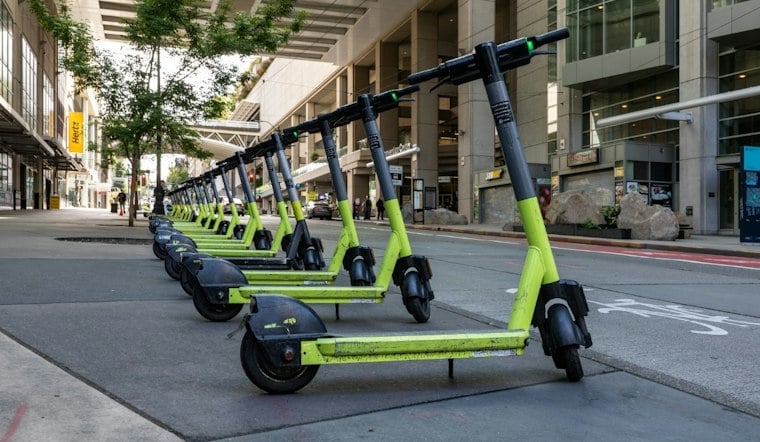
Seattle logged 517 e-scooter-related emergency responses in 2025, the highest one-year total on record, and researchers at Harborview Medical Center's injury center now want the city to shut the devices down overnight entirely, from 9 p.m. to 5 a.m. The proposal, paired with a push for stronger age verification, lands at a moment when more than 10.5 million trips on Lime vehicles were also logged in Seattle over the same span — a split picture that has officials, riders, and the industry talking past one another.
Dr. Frederick P. Rivara presented the injury data, along with the curfew recommendation, in coordination with research partners Xinyao de Grauw and Stephen J. Mooney, according to The Urbanist. The proposed curfew would bar e-scooter use from 9 p.m. to 5 a.m.
The King County Board of Health reviewed Rivara's data on November 19 but had not acted on the recommendations as of publication, nor had it added e-scooter safety to its future work plan, the same report notes. That leaves the proposal in limbo even as the underlying numbers keep climbing: Harborview treated 77 people for e-bike or e-scooter injuries in 2021, a figure that rose to 252 last year, according to Axios. Six Harborview patients died from e-scooter or e-bike injuries in 2025, compared with two in 2024, Axios also reported.
Lingering Symptoms and Disrupted Paychecks
A separate UW Medicine study offers a window into what recovery looks like for riders who get hurt badly enough to need hospital care. Researchers analyzed Harborview patient cases from July 2020 through December 2024, identifying 305 people with TBI-related symptoms and surveying 64 of them, according to UW Medicine. Of those surveyed, 84% reported at least one traumatic brain injury symptom during recovery, and the median symptom duration stretched to 11 months for those with CT-visible injuries, versus 1.3 months for those without.
The employment toll is harder to pin down. The Urbanist reported that the median lost work time during recovery was two months. UW Medicine's own release states that 11 of the 64 respondents, or 17%, said their injuries led to an employment change or job loss.
Who Actually Rides Late at Night
Who Actually Rides Late at Night Not everyone is convinced a blanket overnight ban is the right tool. The proposed 9 p.m.-to-5 a.m. restriction would bar scooter use during those hours.
That dependence is partly a function of what else is running at that hour. The proposed curfew would remove scooters as an option from 9 p.m. to 5 a.m. Lime spokesperson Parker Dawson discussed scooter trips and safety. The proposal would bar scooter use from 9 p.m. to 5 a.m.
Lime has also pointed to its own safety trend line as evidence that a sweeping curfew isn't necessary: the company's incident rate per million rides in Seattle declined 26.6% between 2024 and 2025, per a letter cited by the same report. Lime bars riders under 18; a New York City Council bill introduced this month would require more direct age verification for CitiBike riders — a sign other cities are weighing tighter rules of their own.
What Other Cities Have Tried
What Other Cities Have Tried Seattle wouldn't be the first city to test an overnight scooter ban, and the results elsewhere are mixed. Atlanta implemented a 9 p.m. scooter curfew in 2019 but has since scaled it back to just 2 a.m. to 4 a.m., The Urbanist reported. A Georgia Tech study found that Atlanta's 9 p.m. to 4 a.m. ban increased commute times by 10% when e-bikes and e-scooters weren't available, according to Atlanta News First. Atlanta's City Council ultimately approved narrowing the curfew to that 2 a.m.-to-4 a.m. window, WSB-TV reported.
Helsinki offers a contrasting case, though its own numbers don't fully agree with each other. The city restricted scooter use from midnight to 5 a.m. on Friday and Saturday nights and imposed lower maximum speeds during overnight hours on other days. A separate academic study found a 64% reduction in e-scooter injuries tied to similar 2021-era restrictions, according to University of Manchester researchers, who noted injury severity declined only slightly. That same study found alcohol intoxication significantly raised the odds of a more severe injury. More recent Helsinki figures, reported by HUS, show two emergency departments treated 172 e-scooter injury patients in January through August 2026, down from 248 over the same stretch in 2025 — a roughly 31% drop in patients against a roughly 13% drop in rental trips.
For now, Seattle's path remains undecided. The Board of Health has the data in hand, but with no action taken and no timeline set, the city's late-night scooter riders — and the workers who count on them to get home — are left waiting to see which direction officials choose.





