

























































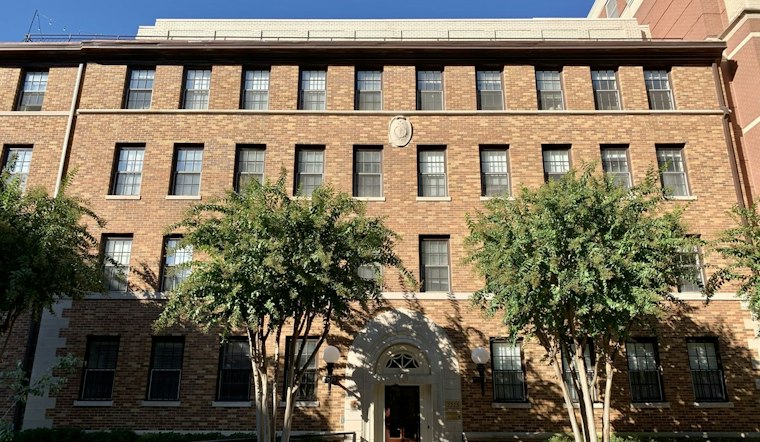
Willette Joyner says the rats are back. The 76-year-old resident of Parkway Plaza Apartments in Northeast D.C. discovered rodents living in her car once again, just weeks after she thought the problem had been dealt with and paid hundreds of dollars out of pocket to clean up the mess.
Joyner first went public with her ordeal on October 14, when she found piles of rat droppings inside her car parked at the complex, according to WJLA. She had the car deep-cleaned and brought it to a mechanic for inspection, hoping that would be the end of it. But about three weeks later, she said, she heard rodents scrambling under her hood again and found a fresh round of droppings left behind.
The station reports Joyner took photos of the droppings under the hood and throughout the engine as evidence of what she's dealing with. Joyner believes piles of unattended trash and unfilled rat burrows around the property are partly to blame for the infestation returning. Joyner has lived at Parkway Plaza for 26 years, and she said she and her neighbors feel the rat problem has gone from bad to worse over the past few years, per the station's earlier report.
Management Photographed the Car but Went Quiet
Parkway Plaza is managed by Borger Residential, a company based in Bethesda. Joyner said a Borger staff member came by to photograph her car after the first discovery, but that she hasn't heard anything from the company since. She now says she has spent about $400 total on cleaning and mechanic fees — building on an earlier $250 charge just to get a mechanic to look the vehicle over — and believes Borger should reimburse her for it.
When 7News tried reaching Borger Residential for comment, the reporter's call was forwarded to the company's corporate office, where an employee said she had recorded the reporter's contact information before the call ended once a request was made for a media representative, the same report notes. Since then, the only response has been Borger's voicemail greeting.
Joyner has cried at home over the situation. Her account echoes other D.C. rental disputes: The Washington Post reported that tenants at a separate, recently refurbished Northeast Washington complex went months without working air-conditioning or elevators, prompting the D.C. attorney general's office to allege extreme neglect in a lawsuit against that property's landlord. At Dahlgreen Court, another Northeast D.C. building, residents told DC News Now that rats move through the walls and ceilings, part of nearly 192 unabated code violations the outlet says the Department of Buildings has logged across the property.
Rats Under the Hood Are a Costly, Common Problem
Joyner's predicament isn't unique to her car, or to D.C. In Staten Island, a reporter for SILive found a rat nest made of leaves, sticks and old pizza tucked under a car hood, and a chewed wire ended up costing $230 to repair. An auto shop owner in Tompkinsville told the outlet he sees rodent damage in vehicles year-round, not just in winter, while an Island Car Care owner said repairs from rodent damage can run anywhere from a couple hundred dollars to a couple thousand, depending on what gets chewed.
D.C. housing code is unambiguous on the underlying issue: the Department of Buildings' housing code standards page states plainly that all rental dwellings must be free of insects and rodents.
REMY Act Faces Final Vote as Rat Complaints Mount
Joyner's renewed infestation comes as D.C. lawmakers are set to take up rodent control citywide. The D.C. Council was expected to hold a second and final vote on the REMY Act on Tuesday, after an earlier vote on the measure passed unanimously, according to the same WJLA report. The legislation aims to address the District's rat problem through several measures, including funding for a rodent-proof trash-can pilot program in some commercial corridors, increased fines for property owners, and harsher penalties for people who use rodenticide without a license.
For now, Joyner is left waiting — for a callback from her landlord, for reimbursement on the hundreds of dollars she's already spent, and for some sign that the rats won't be back a third time.





