

























































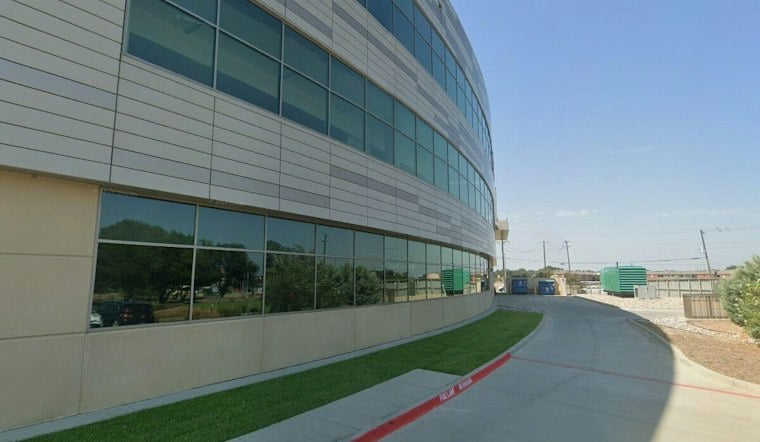
The Texas A&M University System Board of Regents has approved construction of an advanced greenhouse at the Texas A&M AgriLife Research and Extension Center at Dallas. The building is planned at 7,700 square feet. A groundbreaking ceremony is set for early 2027, so the yes vote is in and the shovel is still on next year's calendar.
AgriLife Today reported the approval and the Dallas researchers' plan to use the greenhouse for sustainable production of nutritious food in suburban and urban areas, including food deserts. They also cast it as a working example of food production that could reconnect city residents with what they eat.
Heat, light, and a closed roof
This is controlled-environment agriculture, not a bigger community garden. The approach covers greenhouses, hoop houses, hydroponics, aquaponics and systems that adjust light, temperature and other conditions so food can be grown in an enclosed space.
G. Cliff Lamb said the greenhouse will "support impactful controlled environment agriculture programs to benefit producers throughout the southern U.S., especially for hot climates." He also said the project advances AgriLife's mission of innovation, sustainable production systems, economic strength and healthy living. The mission language is broad. The climate problem is not.
A Texas overview published by the International Society for Horticultural Science describes rapid investment in controlled-environment systems across the state, from vertical farming and hydroponics to high tunnels, as a response to food-system challenges. The same overview says those systems can consistently supply local, fresh, safe and nutritious fruit and vegetables, and it lists AgriLife research themes around resource-use efficiency, climate-smart food systems, produce quality and quantity, and training and mentoring.
A 2024 plan, and a ceremony still ahead
The Dallas greenhouse is not a brand-new idea that appeared with this vote. In August 2024, AgriLife Today reported that the regents had approved a $7.4 million plan for an advanced greenhouse in Dallas. That account described four equally sized greenhouses and a headhouse, with precision lighting, irrigation, data-processing capacity and independent climate controls in each house. Completion was expected within a year of breaking ground.
That figure belongs to the 2024 plan, not to a price restated with this approval. What the November announcement does fix is the footprint, 7,700 square feet, and the public start: a groundbreaking ceremony in early 2027. A plan cleared the board more than two years ago. The latest clearance still comes with a ceremony in the future tense.
Dallas is already the urban lab
The Dallas center is the sole urban site among AgriLife's 13 research and extension centers. That is the practical argument for putting a research greenhouse here rather than at another station: the questions are urban, and so is the audience.
The center's urban horticulture research program, led by Dr. Genhua Niu, develops production and best-management practices for the controlled-environment industry, according to Texas A&M AgriLife in Dallas. The work already covers hydroponic greenhouse systems, including nutrient film technique, deep water culture and ebb and flow, with the stated aims of cutting energy costs, raising productivity and improving produce quality.
The Dallas extension program is chasing the same bill from another direction. It studies recycling nutrients from fish waste in decoupled aquaponic production to reduce fertilizer demand in hydroponic systems, and it evaluates crop production and profitability across hydroponic setups meant for year-round greenhouse growing, AgriLife's extension page says. Energy, fertilizer and whether the crop pays are already the local research questions. The new building is the part that still has a date instead of a foundation.
A small research house in a big greenhouse state
Texas did not discover enclosed growing this decade. A Texas A&M horticulture page, drawing on 1997 USDA census figures, reported more than 200 operators producing vegetable transplants, mostly peppers and tomatoes, in greenhouses, shade houses or slat houses. The same Aggie Horticulture account put the state's potted-plant and greenery industry at more than 300 growers and 28 million square feet of greenhouse space, and described greenhouse tomato operations of 40 to 80 acres at Marfa, Fort Davis and other Far West Texas sites.
Set against that commercial footprint, 7,700 square feet is a research bay, not a produce warehouse. The point of the Dallas project, as researchers have framed it, is a working example for hot-climate production and for neighborhoods where fresh food is scarce. The next dated step is the early 2027 groundbreaking.





