

























































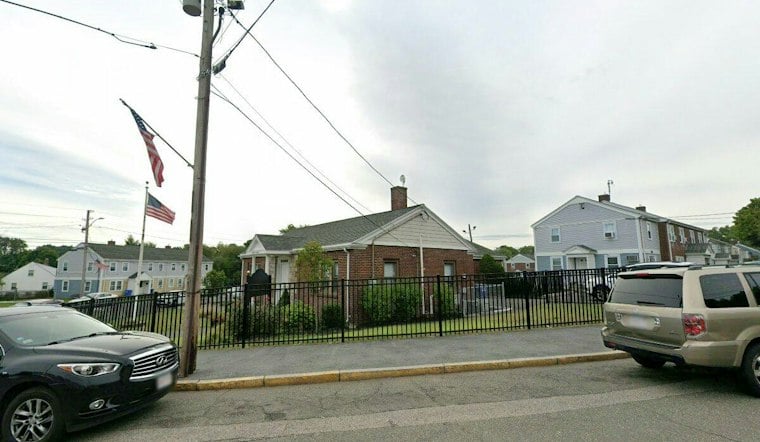
The Revere Housing Authority wants to add hundreds of new apartments to its Cooledge Street property, pairing a major expansion of public housing with roughly 900 market-rate units under a proposed zoning overlay. The plan would add 359 public housing units to the 439 that already exist on the site, while also opening the door to private market-rate development nearby.
According to Revere Journal, the completed project's affordable housing would ultimately break down into 570 family units and 220 units set aside for seniors and people with disabilities. RHA Executive Director Dean Harris described the roughly 40-acre plan as an effort to grow the authority's current stock of more than 400 units toward closer to 800, while folding in new market-rate housing alongside it.
How Relocation and Timing Would Work
Harris said the approach would let current RHA residents stay on site while construction moves forward, with families eventually shifting into the newly built units once they're ready, the Revere Journal report notes. He added that construction on the first phase of the project could begin in about four to five years, though that remains an estimate rather than a locked-in schedule.
The plan also calls for shared amenities that would extend beyond RHA tenants. Per the same account, on-site features such as a community center are envisioned for use by all Revere residents, not just those living in the redevelopment.
Why RHA Wants the Zoning Change
Securing the smart growth overlay isn't just about unlocking new construction — it comes with potential financial upside for the city. Harris said that if the district wins approval, it could make Revere eligible for zoning incentive payments and density bonus payments, additional funding tied to the state's smart growth framework. Massachusetts Chapter 40R, the underlying state program, offers a voluntary zoning option that lets cities and towns implement locally driven changes supporting new housing and mixed-use development in areas with sufficient existing or planned infrastructure, according to Mass.gov.
This isn't Revere's first swing at reshaping the Cooledge Street area. An earlier RHA redevelopment plan covering four properties on an approximately 40-acre footprint — the Gold Star Mothers, Proctor/Cushman, Adams Court, and Cooledge/Cushman developments — called for 800 units total, effectively doubling the existing housing stock of more than 400 units, the Revere Journal reported this past spring. The authority has separately outlined plans to redevelop 110-2 Shirley Ave. with a five-story building subsidized by project-based vouchers, according to a report from Citizen Portal.
The Housing Pressure Behind the Push
Revere's existing affordability gap helps explain why RHA is pursuing the expansion. The city's own data shows 1,032 crowded housing situations across Revere, according to the City of Revere. The same city data page reports that housing costs average 28.65% of median income overall, but that low-income residents spend an average of 115.65% of their income on housing — far more than they take in.
The city's median home value stood at $332,100 as of 2016, per that same data page, and officials note that new housing construction spiked between 2014 and 2017 before declining dramatically in a more recent year not specified in the city's figures. The page adds that Revere's overall housing supply has grown over time, even as permitting and development planning cause short-term swings.
As for what comes next, a Boston-area comparison shows the scale these smart growth projects can eventually reach: the Boston Housing Authority's Bunker Hill redevelopment is listed as a 2,699-unit mixed-income project that includes 1,010 deeply affordable units, according to the Boston Housing Authority. Revere's own overlay district on Shirley Avenue, meanwhile, spans approximately 43.80 acres under city code records via eCode360, giving a sense of how large these zoning designations can run.
For now, the Cooledge Street overlay remains a proposal moving through the city's process, with RHA's unit counts, relocation plan, and construction timeline all described by officials as estimates rather than finalized commitments.



