

























































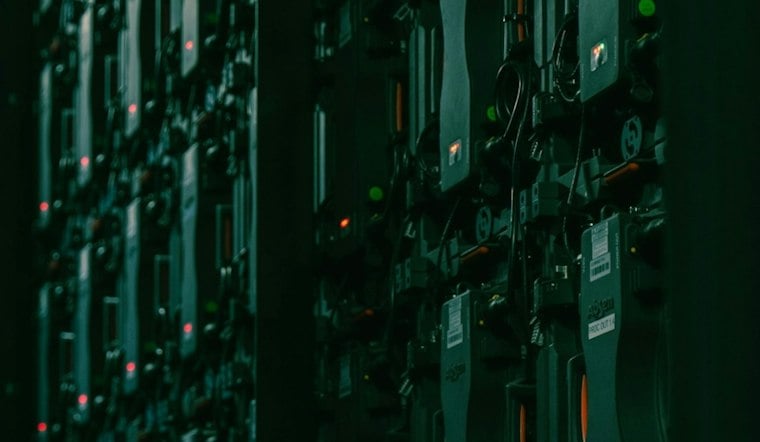
Richland Township leaders have pressed pause on two of the hottest development trends in Michigan right now, approving a 12-month moratorium on new data centers and a separate nine-month moratorium on battery energy storage systems. The temporary bans give officials breathing room to figure out how these facilities might affect the community before any new projects can move forward.
According to FOX 17 West Michigan News, the moratoriums are meant to give township officials additional time to study how these facilities could affect the community before determining what regulations should be put in place. Township documents point specifically to studying potential impacts on infrastructure, public health, safety and natural resources, the station reports. Officials have stressed that the pauses are temporary and do not amount to permanent bans on either type of development.
Solar Farm Hearing Adds to the Backdrop
The moratoriums come as Richland Township has also been fielding proposals tied to large-scale energy infrastructure. Leaders there recently heard from Consumers about a proposed solar farm during a public hearing, the same station's reporting notes, underscoring how quickly the township's rural landscape has become a target for energy and tech development.
Richland Township is far from alone in reaching for a timeout button. Just north in Saginaw County, the Saginaw Township Board of Trustees voted on November 9 to approve an ordinance regulating data-center development, according to Michigan Public. That ordinance caps noise from data centers at 40 decibels at the property line and requires buildings and equipment to sit at least 500 feet from residential property. The same night, the Romulus City Council unanimously approved an immediate 180-day moratorium on data centers that took effect right away, the outlet reported.
Dozens of Michigan Communities Have Hit the Brakes
The scramble to regulate data centers has become a statewide phenomenon. A Michigan Public analysis from July found that as many as 52 local township and city governments across Michigan had passed data-center moratoriums, the station reported. In Jackson County alone, 13 of 19 townships had passed moratoriums against data centers in the past year as of early November, per reporting from MLive.
That rush to get ahead of development is deliberate, according to local officials. Townships in Jackson County are writing new data-center rules before a developer proposes a project in their communities, WLNS/WILX reported. Summit Township, one of those Jackson County communities, approved new rules on noise, water use and setbacks after its own six-month pause, the station noted.
Kalamazoo County Neighbors Face Their Own Deadlines
Closer to Richland Township, several Kalamazoo County communities are already working against the clock on their own pauses. Portage adopted its moratorium on data centers and battery energy storage systems in February, and it is set to expire at the end of this year, according to MLive. Kalamazoo adopted its own moratorium on October 5, giving the city a year to figure out how data centers fit into its zoning plans, the outlet reported. Oshtemo Township adopted a moratorium in March and has since been working on draft ordinance language, per the same MLive report.
Oshtemo officials have also floated aligning several moratoriums on energy projects and data centers through the end of 2027, though those proposed changes had not yet been approved by the township board as of late October, according to WWMT. Farther south, Texas Township's moratorium is set to remain in effect for 12 months from its July 5 effective date, or until new zoning regulations are officially enacted, according to WKZO.
A Statewide Pause Could Be Next
The patchwork of local moratoriums could eventually give way to statewide action. Michigan governor-elect Jocelyn Benson has proposed pausing new data-center construction statewide until the state establishes regulations, according to ClickOnDetroit. Her plan would also call for public hearings before any data-center projects can move forward, the outlet reported.
Michigan townships generally rely on state law to justify these kinds of interim pauses. Under Michigan Legislature statute MCL 125.3404, a local legislative body may direct its zoning commission to recommend provisions for an interim zoning ordinance to protect public health, safety and general welfare, along with local lands and resources, during the period needed to prepare a permanent ordinance. For Richland Township, that period now runs up to a year for data centers and nine months for battery storage, giving officials time to decide what comes next before any new facilities can break ground.



