

























































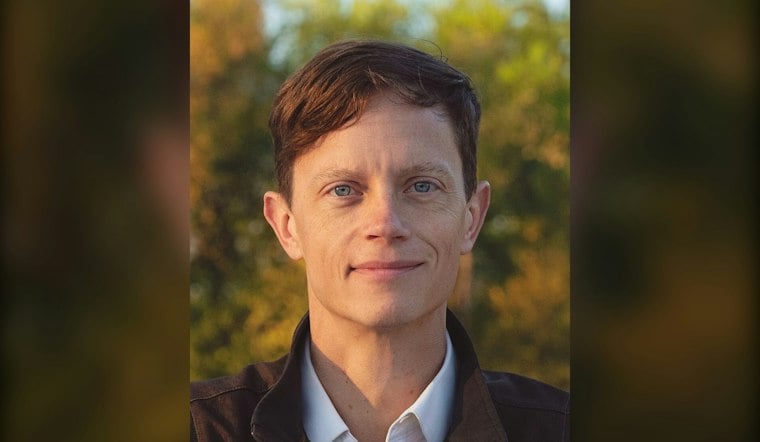
Iowa has elected a Democratic governor for the first time since 2006, with State Auditor Rob Sand defeating Republican businessman Zach Lahn in a race the Associated Press called on November 3. The win breaks a decade of unified Republican control in Des Moines and sets up a new governor who will still have to negotiate with a Republican-controlled Legislature once he takes office in January.
A Decisive Win in a Red-Leaning State
According to NPR, Sand will succeed Republican Gov. Kim Reynolds, who decided not to seek another term, and he takes office in January facing a Legislature still controlled by the GOP. Unofficial results reported by The Des Moines Register showed Sand leading 55% to 44% with all 99 counties reporting. Both counts point to a comfortable win for the 44-year-old Democrat in a state where Donald Trump had carried by 13 percentage points in 2024 and where Trump endorsed Lahn.
Sand's victory is notable given Iowa's voter registration lean, with Republicans outnumbering Democrats by about 175,000 people statewide, per the Register. A Real Clear Politics rolling polling average cited by the same outlet showed Sand's lead peaking at 9 percentage points in mid-October and never dipping below 6 points heading into Election Day, while a Marist poll released October 15 had found Sand at 52% support among likely voters compared with Lahn's 45%, according to Iowa Public Radio.
Reactions From Both Camps
Sand said Iowans had sent a clear message that the parties must work together, adding that he looked forward to working with lawmakers to solve the state's problems, as reported by KCCI. Lahn, for his part, said America is at a crossroads and that the fight is just beginning, and he said he had spoken with Sand and would keep him in his prayers, per the same report. Reynolds released a statement congratulating Sand and pledging to support a strong transition.
The race was Iowa's first open contest for governor since 2006. Sand was unopposed on the Democratic primary ballot, while Republicans fought through a crowded five-way primary that Lahn won by less than one percentage point over Randy Feenstra, who had Trump's backing in that contest; Lahn captured roughly a third of Republican primary voters' support in that field.
Big Money and a Late Spending Edge
Campaign finance reports covering July 15 through October 14 showed Lahn out-raising Sand in cash contributions, pulling in nearly $16.9 million compared with Sand's $16.3 million, according to Iowa Public Radio. Much of Lahn's haul came from outside the state, with the RGA Right Direction PAC, tied to the Republican Governors Association, providing $11.8 million — about 70% of his cash donations in that period. Sand outspent Lahn during the same window, laying out $28.9 million to Lahn's $17.5 million, bringing their combined expenses north of $46 million.
Sand's win made Iowa one of five states that flipped governor control in the election, according to unofficial Associated Press results cited by the Iowa Capital Dispatch. It also marked the first time since Chet Culver's 2006 win that a Democrat has claimed the governor's office in a state Republicans have held since 2011, and Iowa's last open governor's race before this one, without an incumbent on the ballot, was in 2006.
Sand's Early Priorities and a Government-Wide Reset
Sand has said his priorities include restrictions on data centers and cutting the state's deficit in half, per the Capital Dispatch. He estimated the budget shortfall at between $1 billion and $1.3 billion and said he was fairly confident his eventual proposal would cut that figure at least in half. The gap, he has said, stems in part from Republican tax cuts and education savings accounts that provide students public dollars for private school tuition, criticism that KCCI's report also captured.
Despite the partisan overhaul at the top, Sand indicated he is not planning a sweeping shakeup of state government, telling the Capital Dispatch he does not intend to ask for resignations from state officials apart from the directors of the Iowa Department of Education and the Iowa Department of Management. He has also said he intends to act as a check on Republican efforts to advance culture-war legislation, a stance that tracks with KCCI's account of a campaign built around pledges to push back against GOP priorities in Des Moines while still working across the aisle on budget and economic concerns facing the state.





