

























































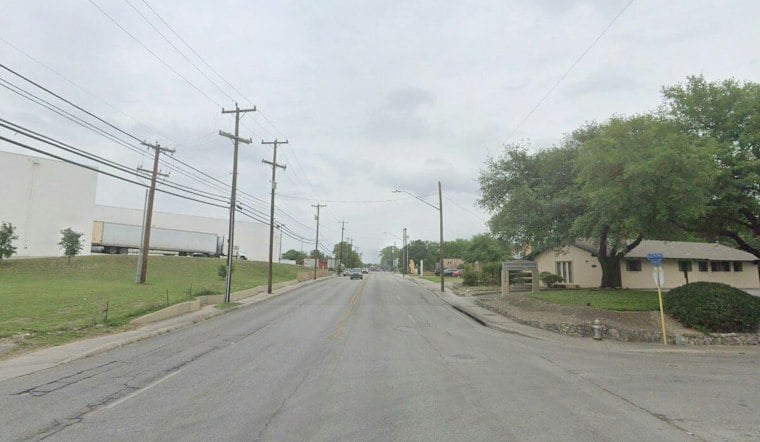
Texas lawmakers filed bills this week that could give cities like San Antonio a faster path to posting 20 mph speed limits on residential streets, a change that would not automatically apply to every neighborhood but would hand local governments the option. The proposal lands as San Antonio officials have spent nearly two years studying whether lower numbers on street signs actually slow anyone down.
The bills, filed by state lawmakers on Tuesday, would allow cities to establish 20 mph speed limits without first conducting a traffic study, according to KENS 5. San Antonio leaders have said those studies can cost around $40,000, a price tag that has long slowed efforts to retool speed limits street by street. A similar idea surfaced in a 2023 state bill analysis, which described legislation that would have let municipalities lower a speed limit to 20 mph if the governing body determined the existing prima facie limit was unreasonable or unsafe, according to an analysis posted by the Texas Legislature.
San Antonio District 7 Councilwoman Marina Alderete Gavito filed a request in 2025 to lower neighborhood speed limits in her district from 30 mph to 25 mph, and she later updated that proposal after a field study in Monticello Park, where 25 mph signs were posted to collect and compare traffic safety and crash data. Her updated request calls for lower limits on neighborhood streets within a quarter-mile of schools, along with increased enforcement, and it supports state legislation allowing cities to change speed limits without a traffic study.
A City Already Testing the Limits of Lower Limits
San Antonio's own experiments with slower neighborhood speeds predate the current legislative push. On Jan. 29, 2025, Gavito asked the city to explore lowering the default, or “prima facie,” speed limit on neighborhood streets from 30 mph to 25 mph, according to the San Antonio Report. By April 2025, she had broadened that idea into a citywide plan to lower limits on many streets to 25 mph, primarily in neighborhoods within a quarter-mile of schools, community centers and parks, as reported by Texas Public Radio.
That plan needed approval from the city's Transportation and Infrastructure Committee before heading to a full council vote, the station noted. Councilmembers Jalen McKee-Rodriguez, Teri Castillo, John Courage and Marc Whyte backed the plan at the time.
Why Simply Changing Signs Hasn't Worked So Far
San Antonio has run this experiment before, with underwhelming results. Back in 2015, the city installed reduced-speed-limit signs in nine neighborhoods and gathered data at more than 200 locations; about half of those areas saw slight speed decreases, while the other half actually saw slight increases, per the same San Antonio Report account.
A more recent pilot on Kampmann Boulevard, which lowered the limit to 25 mph, produced similarly mixed results. Average speeds heading northbound dropped from about 31.6 mph to 31 mph, while speeds heading southbound at another location increased from 30.1 mph to 31.2 mph, the outlet reported. San Antonio Public Works Director Art Reinhardt told committee members that signs, by themselves, have limited influence on the behavior of a driver.
That skepticism has pushed city staff toward a broader approach. Public works officials have recommended a strategy that combines engineering changes, enforcement and public outreach and education efforts, rather than relying on signage alone. The department has also researched how other Texas cities classify roads and address safety when reducing speed limits, intending those findings to help guide San Antonio's own recommendations.
The Stakes Behind the Push for Slower Streets
City staff have told council members that lowering a speed limit under current state requirements can happen either through engineering studies or by passing an ordinance that meets state rules, including signage and annual reporting on enforcement and crashes. The new state bills would aim to simplify that process by removing the traffic-study requirement altogether, though they would give cities the option to lower limits rather than forcing changes onto every neighborhood.
The push for lower limits is grounded in stark survival data presented to council members. A pedestrian struck at 30 mph, the current default on residential streets, has about a 45% chance of being killed, while that chance drops dramatically to about 5% at 20 mph, according to the San Antonio Report. The proposed state changes could take effect in September 2027, though the pace and shape of any local rollout in San Antonio remains tied to the city's ongoing committee discussions.





