

























































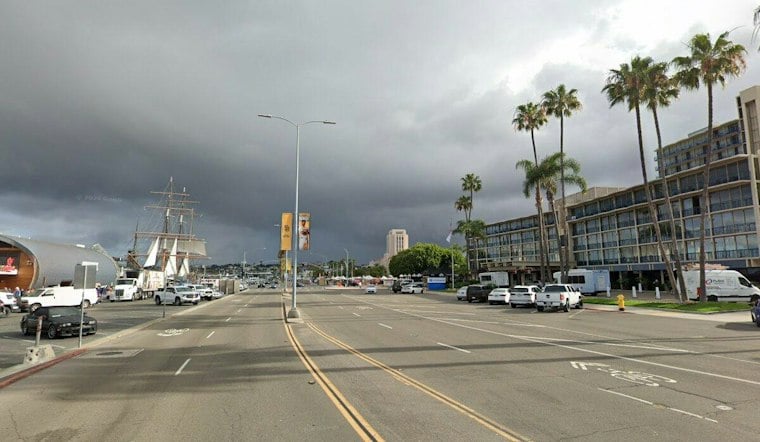
The commercial vending tents that have lined San Diego Bay for nearly four years are set to disappear starting Jan. 1, after the Port of San Diego Board of Commissioners voted not to issue new permits for 2027. All existing 2026 permits expire Dec. 31, and the opportunity drawing that would have awarded 2027 spots has been scrapped entirely.
Board Pumps the Brakes After Hearing From Dozens
At its Nov. 17 meeting, the Board directed staff not to issue Commercial Vending Permits for the 2027 Permit Cycle until further Board action is taken, according to the Port of San Diego. The agency confirmed the Opportunity Drawing for the 2027 Permit Cycle has been cancelled. As reported by the San Diego Union-Tribune, the Port had received 470 qualified applications for 2027, and the Board ultimately voted 6 to 1 to pause the program and withhold new permits, with staff also directed to conduct additional stakeholder outreach and return with interim options.
The newspaper's account notes that 25 public speakers raised concerns about street vending before the vote, with port tenants testifying that vendors sold knockoffs of their products and that their own businesses were declining as a result. Seaport Village business owners and port tenants testified they opposed vendors selling merchandise similar to what's sold in their storefronts, the Union-Tribune reported.
A Seaport Village Tenant's Warning
Omar Farah, who operates the American Heroes and Best of San Diego stores and has worked at Seaport Village for more than 30 years, told the Union-Tribune he pays more than $80,000 a month in rent across his five shops. Per the paper's reporting, Farah warned he may lay off employees and close some of his Seaport Village stores if the vending pause extends six more months. Zane Rihan, another tenant cited in the report, said the vending canopies discourage retail companies from opening stores and make Seaport Village look like a swap meet.
Dan Malcolm said the program created a competitive disadvantage for long-term tenants and produced unintended consequences.
What Still Operates — and What Doesn't
The pause does not touch expressive activity. The Port says expressive vendors may continue to operate in compliance with Port District Code Section 8.05, which governs both types of activity on Port tidelands. Under that code, commercial vending and expressive activity are each limited to allotted spaces and are not permitted outside of one, while commercial vendors must obtain a Temporary Commercial Use Permit and expressive-activity spots are available first-come, first-served, according to the San Diego Unified Port District's own code text. The Union-Tribune similarly reported that first-amendment expressive activities such as music, art and pamphleteering remain allowed in designated spaces on a first-come basis.
Applicants who already paid the $35 processing fee for the 2027 cycle will get refunds, which the Port anticipates issuing by the end of this year. Commercial vending permits have historically cost $35 and been valid for one year at an assigned spot, with spaces spread along the Embarcadero, at Harbor Park in Chula Vista and at Tidelands Park in Coronado, per the Union-Tribune's description of the program. The Port issued 33 commercial vending permits in 2026.
Earlier Changes to Vending Rules
Commissioners unanimously approved updates to street-vending rules, the Union-Tribune reported, following an earlier period of unregulated vending. The Union-Tribune later reported revised rules for vending along the Embarcadero and near Seaport Village.
What Comes Next
Port staff now plan to reevaluate the Commercial and Expressive Vending Program over the coming months, with a Board meeting targeted for spring 2027, the Port said. The Union-Tribune reported that the Port spans 34 miles of coastline from Shelter Island to the border. For now, the designated tents that have defined the Embarcadero's commercial vending spots for nearly four years will come down when the calendar turns, leaving the waterfront's retail landscape unsettled until commissioners revisit the program next year.




