

























































San Diego wants to make it a lot easier for donors and companies to pay to put their names on city parks, libraries and bridges — and officials say the current system is so slow that the city has been leaving money on the table for years. Economic Development Director Christina Bibler has proposed nearly a dozen changes to the city's naming-rights process, a move that would speed up deals but also strip out several layers of review along the way.
According to the San Diego Union-Tribune, the proposal would let the city actively solicit naming offers instead of only reacting to them, and would allow organizations — not just individuals — to have their names placed on city assets. Bibler told the paper last week that the city's current process is bureaucratic and outdated, saying the city turns away most naming offers because it simply cannot move quickly enough. Even the city's most expedited items, she said, still take upwards of six months to work through.
Fewer Approvals, Higher Dollar Threshold
Under the plan, the newspaper reports, the process would be streamlined to eliminate sign-offs from city department heads and volunteer panels, including the Parks and Recreation Board and the Library Commission. The threshold requiring City Council approval would jump sharply, from $250,000 to $3 million, meaning most naming-rights deals would be settled through mayoral approval rather than going before the full council.
The proposal does build in a community check: the council member representing the district where an asset sits would get 30 days to gather feedback from local leaders and residents, and could request a delay if there are strong objections or a need for more research. The Economic Development Committee unanimously forwarded the proposed changes to the full council for approval next month, and officials said the new policy could take effect as soon as January if the council signs off.
Deals Delayed, Deals Lost
City officials point to real financial costs from the current slow-moving system. The Union-Tribune reports that George Foreman Grills once offered to spend $250,000 replacing every public grill in San Diego at no cost to taxpayers, but the city could not respond quickly enough to take the company up on it. Separately, it took the city more than five years to complete a deal for advertising-supported downtown wayfinding kiosks, a delay the paper says cost the city millions in potential revenue.
Not every past deal under the existing rules has gone the city's way financially, either. San Diego awarded naming rights for the new Ingraham Street Bridges for just $4,000 — money that covered only the cost of creating and installing signs, with no additional contribution to the city at all, per the same report. City Council Economic Development Committee chair Raul Campillo said that deal likely would not have happened under full council scrutiny in the first place, since it fell below the existing $250,000 threshold. Campillo also noted that raising the bar to $3 million would push even more deals outside the council's reach, even as he argued the city has had to slow-roll potentially valuable partnerships that could support public services without raising taxes.
Scrutiny Concerns From Within City Hall
Not everyone is comfortable handing over that much control. Lisa Ann Kim, an analyst with the Independent Budget Analyst's Office, whose Race and Equity Division helped flag concerns, said last week that recent years have seen public buildings and landmarks renamed because their original names referenced individuals tied to discrimination, abuse, racism or other harmful ideologies and actions — a reminder, in her view, of why naming decisions carry weight beyond dollars and cents.
Councilmember Kent Lee said he backs the idea of streamlining but isn't eager to see every minor decision, like naming a park bench, land on the council's agenda. At the same time, Lee said the city needs to strike a balance between moving faster and keeping enough scrutiny in place, adding that naming should never be treated lightly — nor should opportunities simply go unused while the city dawdles.
Support From Past Naming Partners
The city's existing naming-rights program remains modest in scope, with deals covering only a handful of library branches and a few parks, according to the Union-Tribune's reporting. San Diego first explored a citywide naming policy back in 2017, when a proposal aimed to be the first to cover all city assets while encouraging philanthropy and preventing what officials then called inappropriate commercialization of public property.
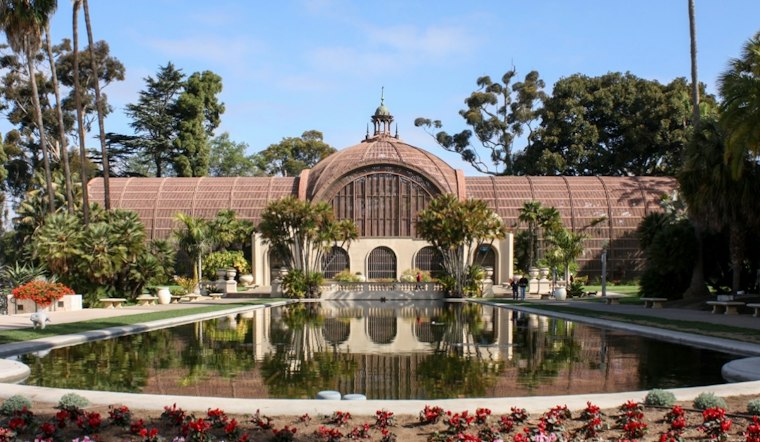
Groups that have successfully navigated the current system are now cheering the push to simplify it. The Balboa Park Conservancy, which completed a donor naming-rights deal for the park's new Botanical Building, praised the proposed policy changes, with the organization's Jackie Higgins calling the existing policies outdated. Councilmember Henry Foster is also among those weighing in as the proposal heads toward a full council vote next month.
San Diego County, a separate government entity, already runs its own naming-rights program for park amenities, with pricing that starts at $1,000 and scales up based on factors like location, visibility and construction cost, according to San Diego County Parks. That county program, launched in January 2014, has sold five-year naming rights ranging from $1,000 to $200,000, including three ballfields and a tennis court at 4S Ranch that each sold for $10,000, according to the San Diego Reader. Whether the city's new approach will match that pace remains to be seen once the full council takes up the measure.



