

























































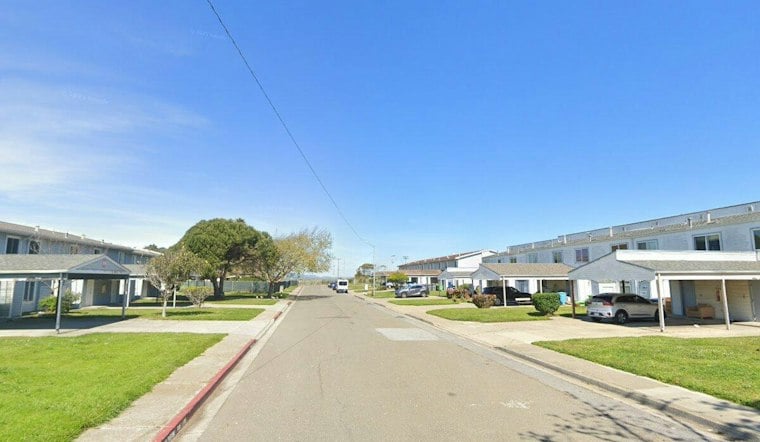
San Francisco leaders broke ground Thursday on a six-story, 68,000-square-foot behavioral health building on Treasure Island, a project meant to add fresh recovery housing and treatment beds to a city system still straining under the weight of addiction and homelessness. Crews hope to complete the project in late 2028, putting a new facility on the island within roughly two years of the ceremonial shovel-turning.
According to NBC Bay Area, the building will house 172 replacement recovery-housing beds, 44 new treatment beds and 84 new recovery-housing beds. The outlet described the project as part of the city's broader response to address substance abuse and addiction. NBC Bay Area's Ginger Conejero Saab covered the ceremony for the station.
Funding Pulled From Multiple Sources
The project carries a $72 million budget, with money coming from the California Community Care Expansion Grant, the Treasure Island Development Authority, and a bond San Francisco voters passed via Proposition A in 2020, according to the San Francisco Examiner. The paper reports the effort is a partnership between the Department of Public Health, the Treasure Island Development Authority, nonprofit housing developer Mercy Housing, and nonprofit medical-care provider HealthRight 360.
Reporting on the project's scope and timeline has varied. The Examiner has described the planned facility as a 120-unit site with capacity for up to 300 beds and reported that construction was expected to begin in November and finish in June 2028 — a timeline that differs from NBC Bay Area's report that crews hope to finish in late 2028. Separately, a December 2025 account from the San Francisco Public Press cited a 2023 research report describing plans for 242 residential step-down beds to provide recovery and sober-living housing. The varying figures and schedules have not been independently reconciled.
Part Of A Years-Long Push On Treasure Island
The new building adds to a patchwork of addiction and recovery programs San Francisco has built on Treasure Island over the past several years. In 2023, the health department added 70 transitional-housing beds there for people leaving short-term residential drug treatment, with HealthRight 360 running a step-down program that let residents stay up to two years while pursuing treatment, education or employment, per the San Francisco Chronicle. That 2023 report noted the program would push the total of city-funded mental-health and substance-use treatment beds past 2,550.
The same health department count found 8,758 homeless people in San Francisco struggling with substance use or mental illness the prior year, including 3,070 who had both diagnoses, the Chronicle reported. Years earlier, in 2019, then-Mayor London Breed had planned to add 212 addiction-treatment beds in the following years as part of an eventual goal of 1,000 new spots citywide, the Chronicle reported at the time, when a separate Treasure Island Recovery Residents Program offered 72 beds for people continuing outpatient substance-use treatment.
Bed Counts Have Shifted Over Time
HealthRight 360 has also run a separate 90-day residential substance-abuse treatment program on the island with 190 beds, according to the Public Press. KQED has reported that a broader Treasure Island behavioral-health program offered 128 beds, with 87 people using them as of the Thursday referenced in that report.
The city set a goal in a 2020 report to increase behavioral-health care beds by 400, or 20%, according to KQED. More recently, the Examiner reported that the Department of Public Health has added 200 treatment beds to its existing system of 2,600 since the start of 2025, underscoring how the Treasure Island project fits into a slow, steady expansion of the city's behavioral-health infrastructure rather than a single fix.





