

























































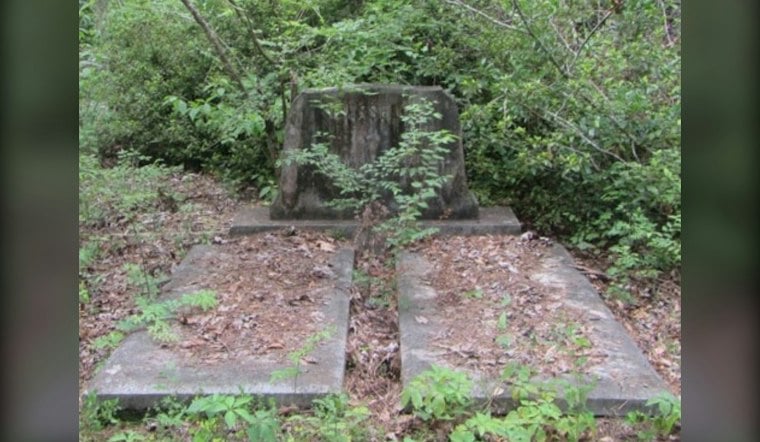
A small, overgrown cemetery tucked on city-owned land near Wulfert Point is one step closer to earning official historic status on Sanibel. The Planning Commission voted this week to approve an application nominating Wulfert Cemetery for the city's Local Register of Historic Sites and Structures, clearing the way without sending the matter back for further review.
The commissioners approved Resolution 26-17, therefore approving the application, according to captivasanibel.com, which reported on the vote. The outlet noted the panel approved the application without bringing it back for further consideration, a sign commissioners felt the case for historic designation was already strong enough to move forward.
A Cemetery Rooted in the 1976 Sanibel Plan
The Local Register of Historic Sites and Structures is built into the Sanibel Plan's Historic Preservation Element, and Wulfert Cemetery already appears in a table of historic sites identified back in the 1976 version of that plan. The parcel itself is owned by the City of Sanibel and is estimated at 0.957 acres, with a 20-foot access easement to the cemetery noted on the Wulfert PUD drainage plan.
The push to formally recognize the site came from Kim Ruiz, who told commissioners the cemetery meets the historical and geographic importance criteria and satisfies four of the five criteria used to evaluate historically significant structures as local landmarks. Ruiz recommended adding Wulfert Cemetery to the local historic register, and per her account, the Planning Commission had discussed the cemetery before and had asked for more information on why it belonged on the historic preservation list.
Pioneer Burials Tied to Wulfert Point's Early Families
Ruiz's presentation named several people believed to be buried at the cemetery, drawing on what she described as the personal knowledge of area families and individuals. Among them: Stephen Decatur Hall, identified as the great-grandfather of Pearl Stokes, who died in 1904, and Callie Carroway, daughter of Mr. Carroway Sr., who died in 1907 along with her unnamed baby. Mr. Carroway Sr. himself was said to have died before 1907. The presentation also named Willie Brady, who died in 1905 or 1906, and Mr. Dewey, described as a farmhand, along with Mason C. Dwight and Mrs. Dwight. A monument for Mrs. Dinkins also stands at the site, tied to the Dinkins family, who per Ruiz owned most of Wulfert Point and donated land there for burials — with records reviewed by Ruiz indicating Josiah Dinkins specifically donated one acre for that purpose. Ruiz cautioned that burials could exist in any portion of the site.
State Records Caught Up Fast Once Filed
Before Ruiz submitted the information, Wulfert Cemetery had not been recorded in the Florida Master Site File, even though Sanibel Cemetery already was. That changed quickly. Within 24 hours of submitting information, Wulfert Cemetery was recorded, Ruiz said, landing in the statewide database maintained by the Florida Division of Historical Resources and now listed as a historic cemetery under State Site Number LL02742.
Ruiz placed that quick turnaround in a broader context, telling commissioners that three-fourths of historic pioneer cemeteries remain undocumented statewide. Florida's own Historic Cemeteries Program describes its mission as working to research, identify and record abandoned cemeteries, with particular emphasis on abandoned African-American burial grounds — work that mirrors the documentation gap Ruiz described for pioneer sites like Wulfert.
A Jungle Today, a Marker Tomorrow
Planning Commission Chair Paul Nichols told fellow commissioners that when he did a site visit, he found the cemetery to be a jungle, underscoring just how overgrown the small burial ground has become. Ruiz said she plans to look into the protocol for placing a sign or marker at the cemetery, and commissioner Lyman Welch voiced support for putting a marker or plaque near the easement so visitors would know the site's significance.
Historic Preservation Committee member Emilie Alfino thanked the Planning Commission for its work and said Sanibel's pioneers helped make the island what it is today. Ruiz also credited local historian Ellie Dormer, who moved to Sanibel as an infant, left when she joined the armed services, and returned after retirement to contribute to historic preservation efforts reflected in the Lee Plan and the island's historic village.
The City of Sanibel notes that nominations for its historic register can be submitted through the city's online permitting system, and that the volunteer Historic Preservation Committee, appointed by the city council, meets once a month when there are items on the agenda to review.




