

























































Santa Clara households and businesses will pay more for electricity starting in January, after the city council approved a 2% rate increase for Silicon Valley Power on Nov. 17. It is the eighth increase the city-owned utility has pushed through since 2021, and it arrives alongside pointed questions from at least one council member about where the money is actually going.
The increase, which applies to residential, commercial and industrial customers alike, takes effect January 2027, according to Silicon Valley Power. The utility says the additional revenue will help cover rising costs for materials and construction, fund infrastructure improvements, and maintain financial reserves. Income-qualified residential customers may be eligible for a discount of up to 40% on the electric portion of their bill, the utility noted.
Silicon Valley Power Director Nico Procos told the council the increase will fund infrastructure improvements, rising equipment costs and financial reserves, according to San José Spotlight. Procos also said reserves can help smooth out rate increases, giving the council more flexibility to manage future hikes and avoid sharp year-to-year swings, per the same report.
What's Driving the Higher Bills
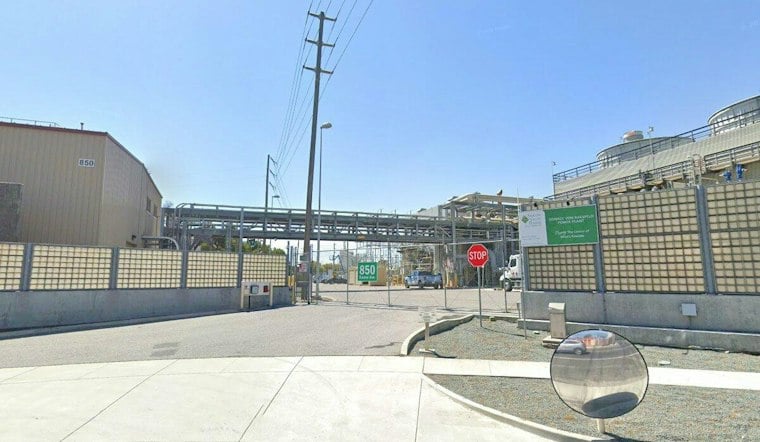
Among the pressures cited: the Donald Von Raesfeld Power Plant on Duane Avenue needs equipment replacement, renewable energy projects statewide are being delayed by tariffs and supply chain disruptions, and the transmission access charge has climbed significantly over the past decade as more renewable projects come online across California, per San José Spotlight. The utility also faces potential staffing cost pressures as it grows, even as its power-purchasing costs have stayed relatively steady, the outlet reported.
For an average residential customer using 400 kilowatt-hours a month, the monthly bill will rise from $72 to $73.44, San José Spotlight reported. Households using 1,000 kilowatt-hours monthly will pay an additional $3.65, according to the same outlet's figures.
City staff estimate the higher rates will generate $8.6 million in additional revenue during the final six months of the current fiscal year and roughly $18.4 million in additional revenue during fiscal year 2027-28, according to Santa Clara News. That money is needed for increased operating and capital costs, maintaining reserves, and expenses tied to the power plant, the outlet reported.
A Pattern Of Increases Since 2021
Santa Clara News tracked a string of rate hikes leading up to this one: 3% in 2021, 3% in 2022, 8% in January 2023, another 5% in July 2023, 10% in 2024, 5% in 2025 and 4% in 2026. Combined with the newly approved 2% increase, those hikes amount to roughly a 47% increase over the pre-2021 rate level when compounded, per the outlet's analysis. Silicon Valley Power has raised rates multiple times beginning in 2023, San José Spotlight separately reported.
Even with the new increase, SVP's residential rates are expected to remain about 53% below PG&E's average bundled residential rate, the Santa Clara News analysis found. For commercial and industrial customer classes, SVP is projected to stay 26% to 43% below PG&E, according to the same report.
Council Members Push Back
District 4 Councilmember Kevin Park cast the only vote against the increase, according to Santa Clara News. Park questioned whether the utility's relatively low rates compared to PG&E tell the full story, San José Spotlight reported, and said electricity rates had risen more than 50% over the previous six years, outpacing the cost of living.
Park also questioned why Silicon Valley Power transfers millions of dollars to the city's general fund while simultaneously raising rates on customers, per San José Spotlight. He argued the utility should focus on controlling its own costs for the public rather than profiting from ratepayers.
Santa Clara resident Wanda Buck told San José Spotlight that repeated rate increases are becoming difficult for households to absorb regardless of income. She said people she had spoken with were concerned about the hike but felt that showing up to city hall to object was pointless.
Fellow resident Mary Grizzle argued that large electricity users, such as data centers, should pay rates that reflect their actual consumption, according to the outlet. Grizzle questioned whether upgrading existing data centers could meet growing demand instead of building new facilities, and said electricity costs represent an absolute hardship for seniors, struggling people and families.
Looking Ahead
San José Spotlight reported that Silicon Valley Power could benefit from a future comprehensive cost-of-service study that would clarify how costs are distributed among different types of customers, though the timeline for such a study remains unclear. Silicon Valley Power serves fewer than 60,000 connections as the city's own power utility, according to the utility's rate information page.




