

























































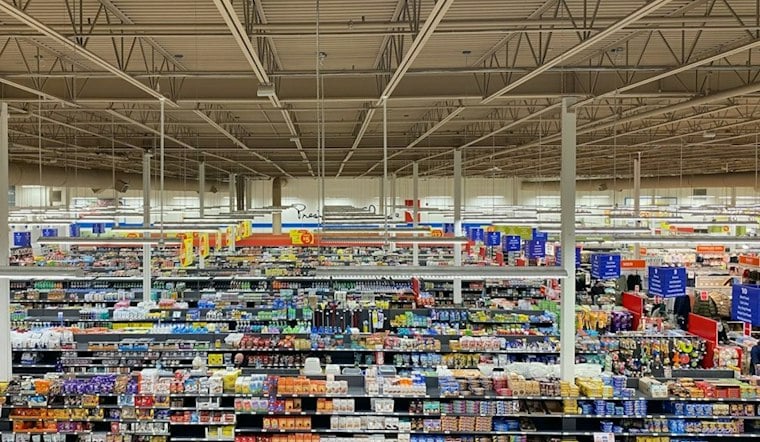
Downtown Schenectady is finally getting a grocery store again, and after more than a decade of planning, the Electric City Community Grocery broke ground this week inside the Wedgeway Building. Officials confirmed at a ceremonial groundbreaking that the project is on track to open this spring, marking the first time in more than two decades that downtown shoppers will have a full grocery store of their own.
According to The Daily Gazette, the project has been in the works since 2013, per Electric City Community Grocery board president Eric Johnson. The store, which started out under the name Electric City Co-op, has grown to 1,599 members as of the groundbreaking, and organizers are hoping to reach 1,600 members. Johnson said joining costs just $25, and those who do not want to become members can still support the effort simply by shopping there once it opens.
Funding Still Short of the Organization's Stability Goal
The Electric City Community Grocery has raised $1 million in private donations, the same report notes, along with millions more in federal, state and local government funding. Johnson said the group would like to be at $1.35 million to open on stable footing, suggesting there is still fundraising work ahead even as construction moves forward. The store's first grant came through city American Rescue Plan Act funding that Schenectady distributed after the pandemic, and state lawmakers Carl Heastie, the speaker of the New York State Assembly, and Angelo Santabarbara helped secure $2 million for the grocery.
Eric Johnson framed the project as something bigger than a place to shop. “We're raising the floor for our community. We're not just creating a place to buy food, but we're creating the civic infrastructure to let people participate, belong and have a stake in their own future,” he said. Schenectady Mayor Gary McCarthy added that the Wedgeway Building and the grocery exemplify the city's renaissance.
Construction Timeline Shifts From Earlier Fall Target
The spring opening target marks a change from earlier plans. A January 2026 announcement from Schenectady Metroplex had construction beginning in March with an opening planned for fall of that year, when the grocery counted 1,336 member-owners. Johnson said the organization does have an intended opening date in mind but will wait to announce it as construction continues.
Construction itself began roughly two months before the groundbreaking, and no major problems have surfaced so far, per the Gazette's report. The grocery will occupy two previously separated rooms on the Wedgeway Building's first floor, and BBL Construction has already raised and flattened the flooring between them. Interior wall framing, plumbing and electrical work are set to go in over the two weeks following the groundbreaking, with sheetrock installation scheduled for mid-December. Elevator and refrigerator boxes will follow the sheetrock work, ultimately feeding into one massive refrigeration system built for 36 boxes.
A Store Meant to Fill a Long-Standing Gap
Downtown Schenectady has lacked a grocery store since 2001, according to Schenectady Metroplex's earlier reporting, and the need has only grown more visible in recent years. Schenectady County's food insecurity rate reached 12.6% in 2023, affecting 20,120 residents, up from 9% and 14,170 residents in 2021, the Gazette reported in separate coverage. The Sycamore Collaborative, meanwhile, provided 994,095 meals' worth of groceries during its 2024-25 fiscal year, a 13.6% increase over the year before, with that growth continuing at a 4% clip in the first quarter of the current fiscal year even as the Regional Food Bank of Northeastern New York has received 7 million fewer pounds of food due to budget cuts.
Johnson said the grocery's long-term success will ultimately depend on community members, along with their friends and family, actually shopping there and speaking up about what food the store should carry. The project was also projected earlier this year to create 22 to 36 full-time equivalent jobs, according to Schenectady Metroplex, adding an economic dimension to a store organizers describe as civic infrastructure as much as a retail outlet.




