

























































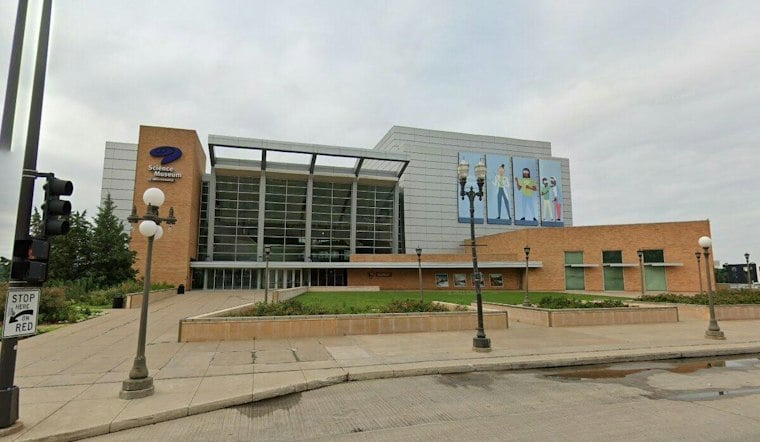
The Science Museum of Minnesota plans to use $2.5 million in federal funding to expand access to its STEM lending resources beyond the Twin Cities. The project calls for five new Regional STEM Educator Resource Centers in greater Minnesota, bringing the statewide network to six sites.
The funding was secured by Senators Amy Klobuchar and Tina Smith through congressionally directed spending in the federal budget, according to the Science Museum of Minnesota. The museum projects that the new centers will reach more than 87 additional rural school districts and serve over 108,000 K-12 students.
The reach—and limits—of the existing lending library
The museum’s existing Educator Resource Center in Saint Paul offers consultations, professional development and a lending library of STEM materials valued at more than $500,000. Its inventory includes stream tables, curriculum kits, skulls, and geological and fossil specimens, according to the Science Museum of Minnesota.
The museum says the Saint Paul library’s practical reach has been limited to about a one-hour drive because teachers typically visit outside school hours, as reported by the museum and WJON. The planned regional centers are intended to extend access beyond that radius, though the museum has not said they will remove all barriers to getting materials to classrooms.
One partnership is underway; four locations remain unsettled
The first phase includes a partnership with Headwaters Science Center in Bemidji, supported by a recommended $1,091,000 investment from Minnesota’s Environment and Natural Resources Trust Fund, according to the Science Museum of Minnesota. The museum says specific sites and collaborations for the other four centers are still being finalized.
The museum says each center’s collection will be tailored to local community needs rather than replicate the Saint Paul model. It also reports having worked with educators in all 87 Minnesota counties and reached more than one million students statewide over the past decade, according to the museum. The new centers are intended to address the distance between the existing lending library and classrooms in greater Minnesota.
What state data says about science-teacher shortages
Minnesota’s 2026-2027 designated teacher-shortage areas for the Student Teachers in Shortage Areas Grant include five science licensure areas—chemistry, earth and space, general science 5-8, life science and physics—according to the Minnesota Office of Higher Education. The designations identify science subject areas but do not, by themselves, show how shortages are distributed between rural and urban schools. Separately, the Professional Educator Licensing and Standards Board’s 2025 teacher supply-and-demand report says nearly a third of new teachers leave teaching within their first five years. That provides statewide retention context, not a measure of rural science-teacher staffing.




