

























































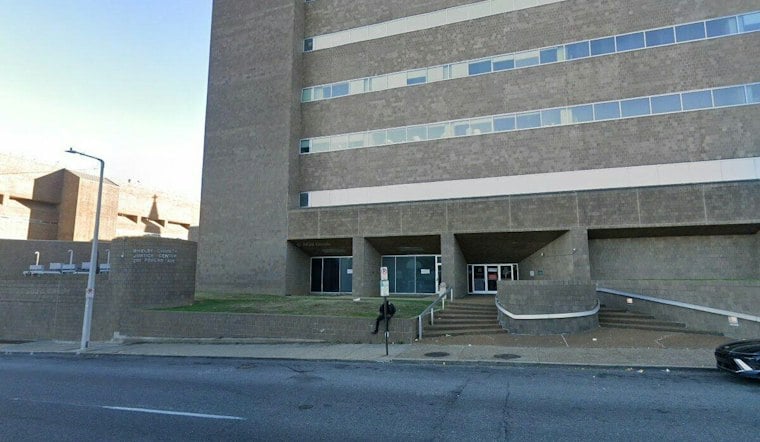
The Shelby County District Attorney General’s Office has released its first public report tracking how criminal cases move through local courts, a response to recommendations made by the Tennessee Comptroller in a 2025 review. The report addresses eight of the 18 measures the Comptroller recommended, covering everything from how long cases take to resolve to how often diversion programs succeed or fail.
What the New Report Covers
According to a Shelby County District Attorney General’s Office announcement, the report tracks time to case disposition, court records related to continuances, types of diversion and diversion completion rates, judicial diversion completion, sentencing ranges, documented reasons for dismissing charges, and a pilot analysis of reconvictions on the same charge. The office describes it as a way to establish a baseline for annual reporting on how cases move through the courts and how they are resolved.
The office acknowledged limits in the data it currently has available. Court records do not consistently capture why a continuance was granted, the office said, and several of the Comptroller’s recommended measures require data from other agencies entirely — meaning the DA’s office can’t independently report on all 18 points the state flagged.
Faster Case Movement, Staffing Strain
District Attorney Steve Mulroy told the Daily Memphian that his office has been moving through felony cases more quickly, though the available reporting doesn’t spell out specific figures or a defined time period behind that claim. Mulroy also pointed to a staffing challenge behind the scenes, telling the outlet, “We have been having to staff two new courtrooms without any extra staff.”
That staffing strain comes even as the office works to expand what it tracks and reports publicly. The new annual report is meant to complement the office’s existing public Data Dashboard, which the office says is updated monthly, giving residents and officials a more frequent — if less detailed — look at case trends between the yearly reports.
Looking Ahead
The DA’s office has not said when the next version of the report will be published beyond confirming plans for annual updates going forward. With ten of the Comptroller’s 18 recommended measures still unaddressed in this first report, much of the office’s future work will likely involve building out data-sharing with other agencies to fill those gaps.





