

























































Solon’s updated ordinance draws a distinction between feeding wild white-tailed deer and feeding other wild or stray animals. It prohibits feeding wild white-tailed deer on public or private property, including by hand or through feeding methods accessible to deer, according to cleveland.com. For other wild and stray animals, the restriction applies within 150 yards of a residence or public right-of-way, even if the food is placed on the feeder’s own property.
Who and what the restrictions cover
The animals covered by the other restriction include geese, raccoons, squirrels, stray dogs and stray cats, according to News 5 Cleveland. Residents may still feed their own pets and use stationary bird feeders for songbirds, the station and cleveland.com report. The possible exception for properties far enough from neighboring residences concerns the 150-yard restriction only; the prohibition on feeding wild white-tailed deer remains separate.
Reasons and enforcement
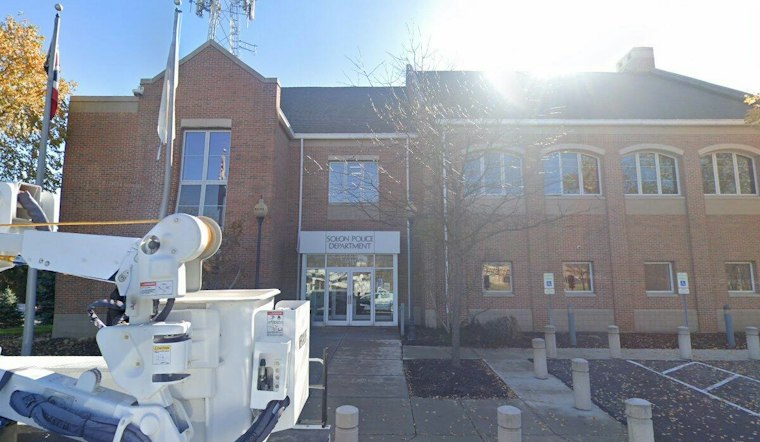
Solon police have cited complaints about animals lingering near food sources, fouling yards and damaging yards or outdoor furniture. News 5 Cleveland reported that Police Chief Courtenay Perkins also pointed to potential vehicle crashes and attacks on people or pets as safety concerns. Police plan to emphasize education and seek voluntary compliance, according to cleveland.com.
Statewide deer-crash figures
Ohio State Highway Patrol records show 109,507 deer-involved crashes statewide since 2019; its 2024 data were through Oct. 31 and provisional as of Nov. 4, 2024. The figures are statewide, not an annual Cuyahoga County count. From 2019 through 2023, 47% of deer-involved crashes occurred in October, November and December, including 22% in November, according to the Ohio State Highway Patrol.
A violation is a fourth-degree misdemeanor, which can carry a fine of up to $250 in Ohio; repeated violations could rise to a first-degree misdemeanor, according to News 5 Cleveland. The station reported that police hope to avoid having to enforce the penalties.




