

























































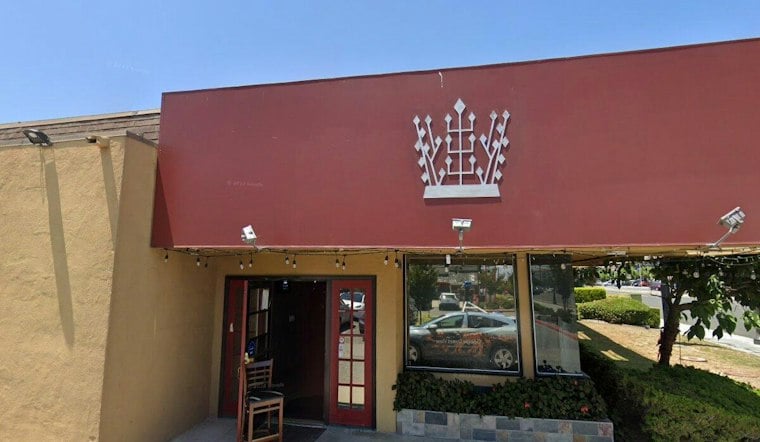
Max Malihi had a struggling San Jose location of Vons, a Korean fried chicken chain, on his hands this past April. Rather than close up shop, he converted it into Yumee Katsu, and he says sales rose fourfold once the Korean-style cutlet concept took over. It is one of several signs that oversized, panko-crusted Korean katsu is multiplying fast across the South Bay.
From a Failing Grocery Stop to a Katsu Hotspot
Malihi told the San Francisco Chronicle that demand for katsu is strong enough that he now plans to expand Yumee Katsu throughout the South Bay. He holds exclusive rights to open outposts in Sunnyvale, Mountain View, Cupertino and Santa Clara, and the brand is already developing a second San Jose location. Yumee Katsu, which has about 60 locations in South Korea, serves cutlets coated in panko, pounded thin and fried crisp, and its San Francisco location serves four kinds of banchan with every order.
The sauce is part of what sets the Korean approach apart from its Japanese cousin. A Yumee Katsu franchisee, Moon Kim, said Korean katsu sauce is less sweet and thinner than the Japanese-style version, according to the same Chronicle report. Another cook in the scene, Joon Huh, makes a Korean-style sauce with apples and tomatoes and describes it as sweeter and less tangy than the Japanese version — a seemingly contradictory read on the flavor profile that the Chronicle presents from two different sources rather than resolving.
New Shops Popping Up From Santa Clara to Daly City
Golden Wang Donkatsu opened in Santa Clara this year at 2910 El Camino Real, according to discoversantaclara.org, serving Japanese- and Korean-style breaded cutlets alongside curry rice and udon. Per the Chronicle's reporting, the restaurant's name, Wang Donkatsu, translates as king donkatsu. Also in Santa Clara, Amazing Katsu first launched as a ghost kitchen in 2024 and now operates in Sunnyvale and San Mateo, with plans to expand into San Francisco.
Amazing Katsu co-owner Joe Shin told the Chronicle that his Sunnyvale location sells considerable amounts of chicken katsu, which he attributed to the area's substantial Indian population. The restaurant's menu reflects the broader trend toward variety: Korean katsu spots across the region now commonly offer chicken and cheese versions in addition to classic pork, and Amazing Katsu's own signature cutlet wraps loin katsu around mozzarella, bell peppers, onion and carrots, per Palo Alto Online. When Sean Kim and co-owner Shin opened the ghost kitchen that June, they offered four types of katsu for pickup and delivery and told Palo Alto Online they hoped to eventually open a brick-and-mortar restaurant and franchise the concept.
Up in Daly City, King Katsu Land debuted in 2025 and has since opened a second location in Newark, with plans to expand to Serramonte Center later this year and eyes on San Francisco and Palo Alto for additional spots, the Chronicle reports. King Katsu Land's own website describes its offering as a Korean-style wide and thin cut pork cutlet served with regular or spicy sauce, and its site notes that katsu-eating challenges have been running at its Daly City and Newark locations since October 26. The chain's signature cutlet is described as roughly the size of a standard sheet of paper.
Why the Portions Got So Big
That oversized presentation is central to the appeal, according to Joon Huh, who told the Chronicle that generosity is part of katsu's identity and history. Koreans made the dish their own by pounding out the meat, which creates the appearance of a fuller plate while stretching the protein further — a practical move that became a selling point. Huh said katsu became a celebratory meal in Korea during the rapid industrialization of the 1970s through the 1990s, a night-out dish worth stretching for.
Giant cutlets saw a wave of popularity in Korea during the 1980s as a special-occasion option, according to Eater LA, which reported that Koreatown's Lasung House can serve around 200 of the jumbo cutlets daily and offers versions topped with mozzarella or made with chicken or pollack. Korean-style donkatsu came into its own during the 1970s and 80s alongside the rise of gyeongyangsik dining.
Where tonkatsu's path to Korea actually began is less settled. The Korea Herald has reported that tonkatsu arrived on Korean shores after the country opened its ports to foreign powers in 1876, while kfoodcravings.com instead traces the dish's arrival to the Japanese colonial period. The Chronicle's reporting lands closer to the latter, noting that katsu became part of Korean food culture during the Japanese occupation in the early 1900s, after originating in Japan itself earlier that century, when Japanese cooks adopted panko breadcrumbs to give the cutlet a crispier exterior.
A Dish Riding Korea's Cultural Wave
However the dish first crossed the water, cooks and owners interviewed by the Chronicle agree that Korean donkatsu has since developed its own identity. Micha Oh told the paper that Korean donkatsu developed different preparation styles, sauces, portion sizes and presentation compared with Japanese katsu. Sky Lee, who makes a spicy-sweet-savory buldak sauce from fresh fruit and gat inspired by popular instant noodles, said high-quality Korean-style katsu is a natural addition to American dining as attention to Korean culture keeps growing.
That growth in katsu-specific restaurants follows the broader rise of Korean culture in the U.S., including K-pop, K-dramas and K-beauty, the Chronicle notes. For a dish that has served as comfort food for Japanese and Korean communities alike for decades, the current wave of South Bay openings suggests it is finding a wider audience than ever, one jumbo cutlet at a time.




