

























































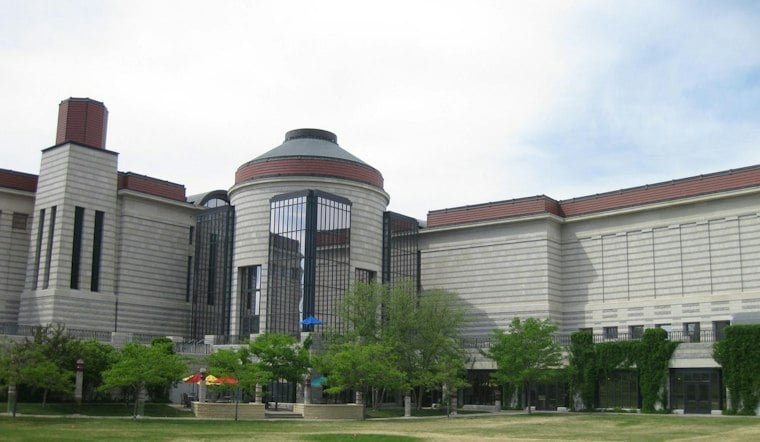
According to the Sahan Journal, sixty-eight portraits pulled from an estimated collection of 1,000, spanning nearly 170 years of Minnesota life, go on public view Saturday at the Minnesota History Center in St. Paul. As reported by the Pioneer Press, the new exhibition, ‘See & Be Seen: The Evolving Power of Portraits,’ opens at 10 a.m. and runs through June 13, with an opening celebration from 11 a.m. to 3 p.m. featuring a hands-on art activity and a photo booth for guests to make their own portraits.
The show draws on the Minnesota Historical Society’s fine arts collection, which according to the Minnesota History Center houses portraits spanning nearly 170 years. As reported by the Pioneer Press, the exhibit is curated by fine art curator Ari Fields, who said the show aims to show how both portraits and their sitters change over time. Fields also said the exhibit seeks to demonstrate the richness of portraiture while appealing to a broad audience, noting that people still value being seen and telling their stories.
Among the oldest works is painter Thomas Cantwell Healy’s 1857 portrait of Minnesota writer Amelia Ullmann, a piece Sahan Journal highlights from the roughly 1,000 portraits the historical society holds dating back to the 1850s. Per the Pioneer Press, Ullmann moved to St. Paul with her husband, who ended up having a successful business, and Fields said Ullmann came from what is now Germany and met her husband in St. Louis. Fields said she and her husband later sought a new job and agreed to go wherever opportunity arose; Ullmann and her husband later moved on from St. Paul to Chicago and elsewhere.
A Curator’s Personal Connection
Fields told the Pioneer Press that Mount Zion, a religious institution, was founded at Ullmann’s house on Summit Avenue. Fields also described moving to Minnesota without knowing anyone and with an infant son of her own, saying she felt that Ullmann was, in a sense, watching out for her.
The exhibition’s range extends well past the 19th century. Sahan Journal notes that it includes contemporary works by St. Paul artist Seitu K. Jones and Minneapolis artist Leslie Barlow, while MPR News reports the roster of Minnesota artists also includes Dewey Albinson, Tom Arndt, Lamar Peterson and Frances Cranmer Greenman. Also featured, per MPR News, is Rose Smith’s 2008 oil painting ‘Journey to Minnesota.’ The painting looks back on Smith’s family move from Missouri.
Gold Frames Next to Cell Phones and Overalls
According to the Pioneer Press, the show pairs gold-framed 19th-century portraits of white Minnesotans with images representing diverse communities across different eras and artistic mediums, pulled from a historical society collection that includes both painted portraits of historical figures and everyday photographs across cultures. One wall-sized photograph by Tom Arndt shows two friends he photographed beside Lake Bde Maka Ska in Minneapolis, a portrait he had asked to take and that the pair agreed to, originally commissioned for the Minnesota 2000 exhibit. The image includes a small, telling detail of its era: a Qualcomm cell phone clipped to Tommy Hilfiger overalls.
Arndt’s long-running interest in documenting Minnesotans has a parallel elsewhere in the Twin Cities art world. According to the Mn Artists / Walker Art Center, his photographs have recorded the changing dress and habits of Minnesotans over the years alongside the state’s shifting urban landscape. That outlet notes his separate exhibition, ‘Home: Tom Arndt’s Minnesota,’ featured 80 images at the Minneapolis Institute of Arts, with an accompanying book collecting 157 photographs and essays by Arndt, Garrison Keillor and George Slade.
Visiting the Exhibit
‘See & Be Seen’ is included with regular admission or membership at the Minnesota History Center, located at 345 W. Kellogg Blvd. in St. Paul. Sahan Journal reports admission runs $15 for adults, $12 for college students, military members and seniors, and $8 for children ages 5 to 17. The exhibition overall traces changes in portraiture and Minnesota society from the 1850s through the present, offering visitors a chance to see how the state, and the way it chooses to picture itself, has shifted across nearly 170 years.




