

























































Flooding concerns left two proposed changes to Summerville’s lot-coverage rules unresolved Thursday, even as Town Council adopted other updates to its development regulations. Those adopted changes tighten restrictions on corner stores and restaurants in residential neighborhoods and clarify how large accessory buildings may be. The lot-coverage proposals, which would allow more of some properties to be covered by buildings and pavement, were set aside for further study.
The council adopted several changes to its Unified Development Ordinance during Thursday’s meeting, according to the Post and Courier. Restaurants will now be conditional uses in neighborhood mixed-use zoning, requiring direct Town Council approval before opening. Convenience stores are prohibited outright in that zoning category. The newspaper reported that the other adopted changes passed unanimously.
Neighborhood Zoning Fight Traces Back to Magnolia Inn
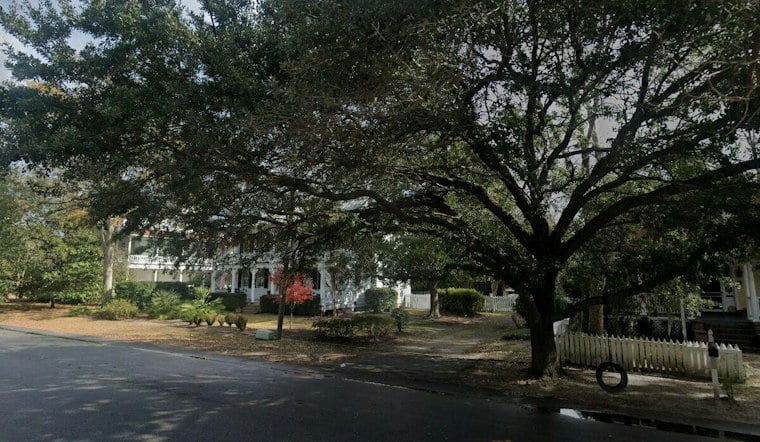
The new restrictions followed months of resident concern over what neighborhood mixed-use zoning could permit near homes. Neighbors raised questions about a possible corner store or restaurant after 115 S. Magnolia St., the Magnolia Historic Southern Inn, was rezoned from general residential to neighborhood mixed-use at council’s Sept. 17 meeting, according to the Post and Courier. The rezoning drew opposition from Historic District homeowners.
The groundwork for Thursday's vote was laid back on Oct. 8, when council voted unanimously to advance the convenience-store prohibition and 4-1 to move the restaurant restrictions forward. Before this round of changes, convenience stores were already conditional uses in neighborhood mixed-use zoning while restaurants were simply permitted outright — a distinction the new rules erase by requiring council sign-off for any restaurant in that zoning.
Accessory Buildings Get Clearer Rules
Council also approved changes to accessory-unit provisions designed to simplify requirements for property owners. Accessory dwelling units are now limited to half the main home's footprint, a shift from the previous standard, which capped them at half the main home's gross floor area. The UDO changes additionally clarified rules for garages, workshops and other accessory buildings: on lots larger than one acre, any accessory structure exceeding half the main home's gross floor area must now sit at least 50 feet from any property line.
In a separate but related move, council extended the window before a structure can be declared abandoned, stretching it from 90 consecutive days to 180 days.
Lot Coverage Hikes Postponed Over Flooding Worries
The deferred proposals concern how much of a lot may be covered by buildings and other impervious surfaces. One would raise the general residential limit to 40%, from the current cap of 30% or 35%, depending on zoning type. The proposed ordinance says the change is intended to give homeowners greater flexibility in designing properties with single-family detached homes.
A second proposal would increase the cap for church and school campuses from 30%–35% to 50% of the lot, with the aim of allowing churches to expand parking as congregations grow. Mayor Russ Touchberry suggested postponing a final vote, and residents and council members raised concerns about whether greater coverage could increase runoff and flooding, the Post and Courier reported.
The residential proposal had already drawn opposition from the Summerville Planning Commission, which voted 1-4 against recommending it, according to ABC News 4. Town Administrator Scott Slatton told the station that infrastructure in older parts of town is more than 100 years old and was not designed for the stormwater volumes seen today. Slatton also said the residential proposal originated with Councilman Matt Halter after some residents had difficulty making improvements under the existing coverage limit.
What the Town’s Stormwater Rules Say
The Town of Summerville’s Stormwater Management Design Manual requires a downstream analysis for new development and redevelopment unless the Town Engineer determines one is not needed. The manual also says low-impact development design generally produces a smaller peak rate and volume of runoff than traditional stormwater methods; that guidance does not assess the postponed lot-coverage proposals.
Ad Hoc Committee to Study Flood Impacts
Instead of abandoning the proposals, council created an ad hoc committee to examine the changes and their potential effects before a final vote. It includes Councilmen Matt Halter and Bob Jackson, Town Engineer Bonnie Miley and Public Works Director Ryan Dews. Jackson had opposed the convenience-store ban that council approved for neighborhood mixed-use zoning.
The committee’s reporting date and any recommendations have not been specified. Until then, the proposed 40% residential cap and the increase to 50% for church and school campuses remain unresolved as Summerville weighs development flexibility against concerns about runoff and flooding.



