

























































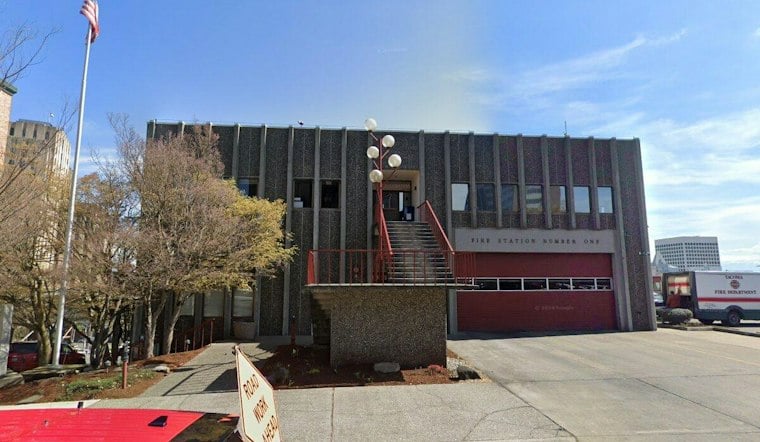
Tacoma City Council voted Tuesday evening to eliminate the city's HOPE Team, the mental-health crisis-response unit that has answered more than 2,600 calls for service since it launched in 2023. The decision will cost five staff members their jobs as the city grapples with a $40 million general-fund shortfall for the 2027-28 biennium.
The vote came despite pleas from community members who packed Tuesday's meeting, according to The Seattle Times. Seven community members addressed council before the budget vote, urging the city to preserve the Holistic Outreach Promoting Engagement team rather than cut it loose. The HOPE Team, housed within the Tacoma Fire Department, includes mental health professionals, a registered nurse and a case manager who respond to people in crisis and connect them with longer-term behavioral health services, receiving dispatches through the 911 system as well as direct referrals from first responders and hospitals.
City Manager Hyun Kim first flagged the team for elimination in October, when the proposed 2027-2028 budget put both the HOPE Team and the Community Service Officer program at risk. As The News Tribune reported at the time, the HOPE Team dispatched trained staff to 911 calls specifically to support people experiencing behavioral health crises, and its elimination was one of the strategies Kim proposed to mitigate the looming budget gap. The newspaper's reporting also noted the broader round of proposed layoffs could tentatively affect 35 city employees.
A Budget Built on Painful Tradeoffs
Tacoma's fiscal picture is worsening in stages. Per the same account from The News Tribune, the city's projected budget gap was expected to hit zero in the 2027-2028 biennium before ballooning to $18 million and then $40 million in the biennia that follow. The HOPE Team itself was funded entirely through Tacoma's general fund, not outside grants, according to City Manager Hyun Kim, and was budgeted to cost $4 million over the next two years.
Councilmember Chanjolee Bushnell acknowledged the toll at Tuesday's meeting, saying the city budget eliminates 100 jobs overall. Bushnell added that the service losses and longer service timelines are harmful, but said Tacoma needs a balanced budget. Mayor Anders Ibsen struck a similar note, saying the budget made the best of difficult circumstances.
Not everyone in the room agreed that the tradeoff was acceptable. April Smith told council members they were acting against community wishes. Sally Perkins, who was part of a community coalition that asked Tacoma to create a crisis response team back in 2022, praised the HOPE Team for demonstrating non-police mental health crisis work and for helping people across a wide range of circumstances.
Study and Case-Management Funding Survive the Cuts
While the HOPE Team's elimination stayed in the final budget, council did approve amendments aimed at other behavioral-health priorities. Councilmember Latasha Palmer sponsored a $150,000 behavioral health crisis-response study funded from the general fund, which will assess lessons from past response efforts, systemic gaps and options to strengthen first-responder coordination. According to Tacoma Weekly, the study would update the city's 2021 Alternative Response Plan and examine service gaps and coordination. Perkins said that study should be rigorous, in-depth and independent, and other community members echoed calls to bring in an outside body to conduct it.
Council also approved case-management funding focused on people with mental health and substance use disorders. Tacoma Weekly reported the council approved a $400,000 case-management proposal from Palmer and a colleague, focused on high-investment corridors and people experiencing homelessness. The funding will draw from Tacoma's general fund, opioid settlement dollars and a city sales tax dedicated to mental health and substance use treatment, Tacoma Weekly reported.
Tacoma Weekly's account also noted that, even with those amendments, council members left the HOPE Team's proposed elimination in place while approving other measures supporting unarmed response and behavioral-health services. Palmer said she hoped the budget would support the city's financial recovery but acknowledged she was not satisfied with every decision, adding that Tacoma should fund a broader set of community-safety tools alongside police and fire services.
Part of a Larger National Pattern
Tacoma's retreat from its crisis-response model comes as alternative-response and co-response teams have become increasingly common around the country, a shift driven partly by the fact that police have often been the first responders to people experiencing mental health crises — even though people with mental illnesses make up a disproportionate share of those killed while interacting with law enforcement. Seattle's experience this year illustrates the strain such teams can face even when they're not being eliminated: per KUOW, that city's police contract has been reported to restrict its civilian CARE team from responding to some calls involving substance use, homeless encampments, private property and individuals in crisis, even as CARE responses rose 32% over a recent three-week stretch compared with the prior 12-week average.
The Seattle Times reporting on Tacoma's vote is part of the paper's mental health project; the paper has said it maintains editorial control over its coverage. For Tacoma residents who relied on the HOPE Team, the practical question now is what replaces it — a question the city's newly funded crisis-response study may eventually help answer, even as the team itself winds down.




