

























































Teva Pharmaceutical Industries has reached a preliminary agreement to resolve claims that it took part in a sweeping generic-drug price-fixing scheme, striking a deal in principle with 45 states, Washington, D.C., and two U.S. territories. The settlement's financial terms, the drugs it covers, and any future pricing conditions remain undisclosed, and the agreement itself is not final.
A Deal Without Numbers Attached
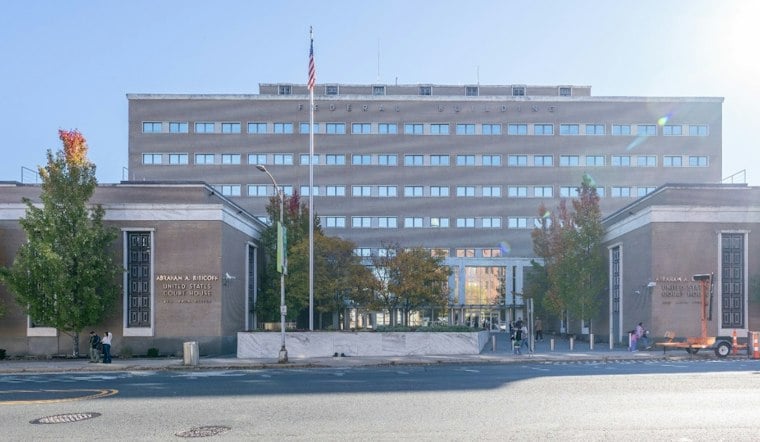
Teva Pharmaceuticals USA and several subsidiaries notified the court of the agreement in principle, according to Law360, which covers litigation filed in Connecticut federal court alleging the companies conspired with competitors to inflate prices and allocate markets for generic drugs. U.S. District Chief Judge Michael Shea suspended proceedings against Teva in Hartford, Connecticut, after the parties flagged the deal to the court on Monday, per a Reuters report cited by Investing.com. That report notes the case was brought by 45 states, Washington, D.C., and two U.S. territories, and that settlement terms were not disclosed.
As first reported by Medical Daily, preliminary agreements like this one typically still need formal documents, signatures from participating states, and sometimes court approval before they're considered final. Teva's next step requires a signed settlement and the release of its terms — and the company has not publicly commented on the deal. The same outlet notes that the preliminary agreement is not an admission of wrongdoing.
What the States Allege
According to the Investing.com report, the states accused Teva and other defendants of having embarked in 2012 on what they called one of the most egregious and damaging price-fixing conspiracies in the history of the United States. The states allege Teva significantly raised prices on roughly 112 different generic drugs and colluded with competitors to raise prices on at least 86 of them, sometimes by more than 1,000%. Drugmakers allegedly began coordinating prices around 2012 to protect their market positions, with that coordination contributing to steep price increases during 2013 and 2014, per reporting from PYMNTS that attributes the point to Reuters.
The states allege the coordinated price hikes raised costs for patients, insurers, employers, and public programs including Medicaid. Per Medical Daily, the case rests on cooperating witnesses, more than 20 million documents, and phone records covering more than 600 sales and pricing staff, with executives allegedly meeting at industry dinners and golf outings. The states filed three separate lawsuits over the years: the first against Heritage Pharmaceuticals and other companies in 2016 over 15 generic drugs, a second in 2019 naming Teva, 21 other manufacturers, and 16 senior executives, and a third in 2020 covering about 80 topical generic drugs, including creams and ointments.
Minnesota Calls It the Biggest Cartel Yet
Connecticut Attorney General William Tong leads the state coalition behind the litigation. Minnesota's attorney general's office has described the alleged scheme as most likely the largest cartel in the history of the United States, and complaints reportedly cite the phrase “fair share” to describe how companies allegedly divided up markets rather than competed on price, according to Medical Daily's reporting on the Minnesota office's characterization.
Judge Shea is also overseeing two other state cases involving alleged anticompetitive conduct in the generic-drug industry, a detail corroborated by PYMNTS, which notes two additional cases brought by state attorneys general remain before the Connecticut federal court. Separately, private buyers — including pharmacies, insurers, and employer health plans — have filed their own lawsuits in a federal court case in Pennsylvania, per Medical Daily.
How Teva's Deal Compares to Sandoz
Teva's case has already produced other settlements. The company settled separately with some individual states, including a $6.73 million settlement with Florida in 2023, according to Medical Daily. Former Heritage Pharmaceuticals executives Jeffery Glazer and Jason Malek also settled and are cooperating with the states, the outlet reports.
A comparable case offers a glimpse of what a finalized Teva deal might eventually look like. A Connecticut federal judge granted preliminary approval in October to a $400 million settlement between a coalition of states and Sandoz Inc. and its subsidiary Fougera Pharmaceuticals Inc., according to Law360, which reported that the deal sets aside $280 million for restitution. Medical Daily notes Sandoz reached that $400 million settlement in principle in August and, if finalized, is set to pay about $469 million once earlier payments to individual states are included; the Sandoz settlement also included internal reforms for fair competition and antitrust-law compliance. Minnesota's attorney general's office has said settlements from Lannett, Bausch, Apotex, Heritage, and Glenmark already total more than $566 million nationally.
What This Means for Patients Right Now
Nothing changes for patients today. Medical Daily reports that patients do not need to do anything because of the settlement and should not stop or change their medicine because of the litigation. FDA-approved generic drugs, regardless of the allegations against their manufacturers, are held to the same quality standards as brand-name drugs.
It also remains unannounced whether individual consumers will receive any payment from a finalized Teva settlement. Consumers who believe they were overcharged can file a complaint with their state attorney general's consumer-protection office, per Medical Daily's reporting. People with Medicare can ask a State Health Insurance Assistance Program counselor to review their drug costs before open enrollment ends Dec. 7, and those enrolled in ACA marketplace plans can compare drug coverage until Jan. 15.
Teva is the world's largest maker of generic medicines, and the company did not immediately respond to requests for comment, according to Investing.com's report. Medical Daily says it will report the settlement amount and any conditions once they become public.





