

























































A review of Texas’ college DEI ban leaves key questions about its impact unanswered.
The review of Texas’ college DEI ban leaves key questions about the law’s impact unanswered.
The review leaves open what effect, if any, Senate Bill 17 has had on college enrollment.
The study’s comparison covers full-time, first-time undergraduates, not every student enrolled at a Texas public college. It uses 2022 and 2023 as the pre-law baseline and adds data through 2025, tracking applications, admissions, enrollment, retention, grades and graduation. The coordinating board cautions that its measures do not capture all factors that shape student success, limiting what statewide changes can show about the law’s role. The board’s study lays out the scope and limitations.
Questions About the Ban’s Impact
The review leaves open what effect, if any, the ban has had on student outcomes.
Some measures improved even as the report leaves causation unresolved. At public two-year colleges, the share of Black students earning above a 2.0 GPA after their first year rose from 71% in 2023 to 79% in 2025; for Hispanic students, it rose from 77% to 81%. At public universities, first-year persistence for Black students increased from 78% in 2023 to 81% in 2025. The coordinating board’s data track these changes but do not establish what caused them.
Closed Centers and a Ticking Clock
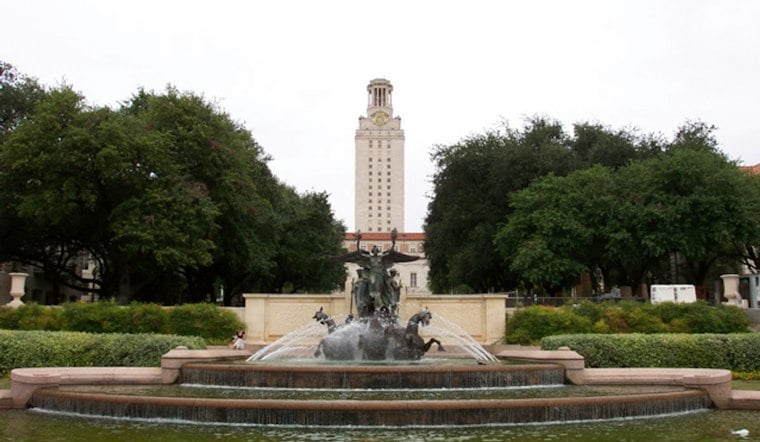
While the report tracked numbers, Texas colleges were busy closing the physical spaces and support systems that DEI programs had built. Campuses closed student resource centers, cut support for groups serving students of color and LGBTQ+ students, and stopped sponsoring graduation celebrations that had honored those communities. The University of Texas at Austin closed its Multicultural Engagement Center in 2024 to comply with the law.
The SB 17 study requirement itself expires in September 2029.
The stakes extend beyond a single campus: Hispanic students made up 43% of Texas college enrollment in 2024, more than 624,000 students statewide. Yet the coordinating board’s data show a persistent completion gap at public universities: Hispanic students’ six-year graduation rate was 61% in 2025, compared with 73% for white students and 85% for Asian students. State enrollment figures and the study’s graduation data put the potential reach of those gaps in perspective.
Repeal Push Faces a GOP Senate
Supporters of the GOP-backed ban have argued that DEI programs gave certain groups preferential treatment and pressured students and faculty to embrace particular political beliefs. Former Lieutenant Governor Dan Patrick, who held that office for nearly 12 years and pushed wide-ranging higher education priorities, said in 2023 that universities should reward individual merit and achievement. Patrick was unseated by Vikki Goodwin in this month's elections.
Democratic state Reps. John Bucy III and Nicole Collier, along with state Sen. José Menéndez, filed bills ahead of next year's legislative session to repeal SB 17. Bucy said the ban stripped universities of the freedom to serve students and prompted some students and professors to consider leaving Texas.
Florida’s anti-DEI law has also affected heritage events, according to The Advocate.





