

























































Frank DeRose, a 57-year-old Tolleson man, just became the first patient at Banner Health to undergo a robotic-assisted coronary artery bypass surgery, a minimally invasive approach the health system says could get him back to his normal life faster than traditional open-heart surgery allows. DeRose said he's eager to get back on his motorcycle, and he's hoping it happens sooner rather than later.
A First for Banner Health's Cardiac Team
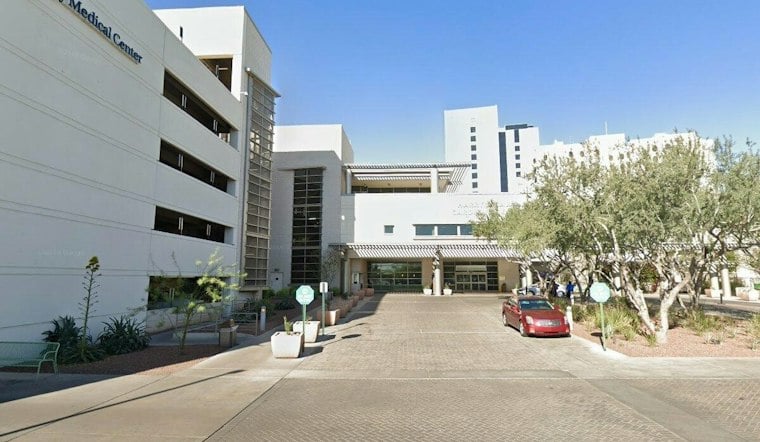
The procedure was carried out by a cardiac team at Banner University Medical Center Phoenix using the Intuitive da Vinci 5 robot, according to KTAR News 92.3 FM. The da Vinci 5 unit used in DeRose's surgery is part of a broader fleet of surgical robots that Banner Health, based in Phoenix, has rolled out across its facilities. Robotic-assisted surgery allows surgeons to bypass the traditional open-heart approach altogether, which typically leaves patients sidelined for months.
DeRose said faster recovery was a main reason he chose the robotic option, and he's looking forward to getting back on two wheels. “I'm really looking forward to it,” he said, according to the station's report. He expects to return to motorcycle riding in weeks rather than months, though his individual outcome and recovery timeline haven't been independently confirmed beyond his own expectation.
Why Doctors Say the Robotic Approach Matters
Dr. Modesto Colon, a Banner Health cardiothoracic surgeon, said the health system is using advanced heart-surgery technology to improve patient care. He explained that cutting down on hospital time reduces the risk of complications and helps patients return to their normal routines faster, per the same account. Generally speaking, the robotic-assisted approach tends to result in less pain, less time in intensive care, and an earlier discharge from the hospital compared with conventional heart surgery, the outlet notes.
Banner isn't alone in expanding robotic heart surgery this year. UVA Health performed its first robotic cardiac surgery at University Medical Center on July 31, also using the da Vinci 5 system, according to UVA Health, which described the operation as the launch of a dedicated robotic cardiac surgery program and said it is the only health system in Virginia with one.
What Robotic Bypass Looks Like Elsewhere
Other hospital systems offer a window into what the robotic approach can mean for recovery broadly, even if DeRose's own hospital stay and specific case details haven't been detailed. At the University of Colorado, surgeons say patients undergoing robotic coronary artery bypass grafting stay in the hospital about three and a half days on average, compared with six days after open bypass surgery, according to University of Colorado Department of Surgery.
That program's surgeons describe an approach that avoids a sternotomy and the heart-lung bypass machine, instead using a small incision over the left chest. They've said the ideal candidates for the robotic technique are patients who need only one or two arteries bypassed, rather than more complex cases.
For DeRose, the appeal was straightforward: a shot at a quicker return to the life he had before surgery, motorcycle included. Whether that timeline holds remains to be seen, but for now, Banner Health's first robotic bypass patient is already looking ahead to the road.





