

























































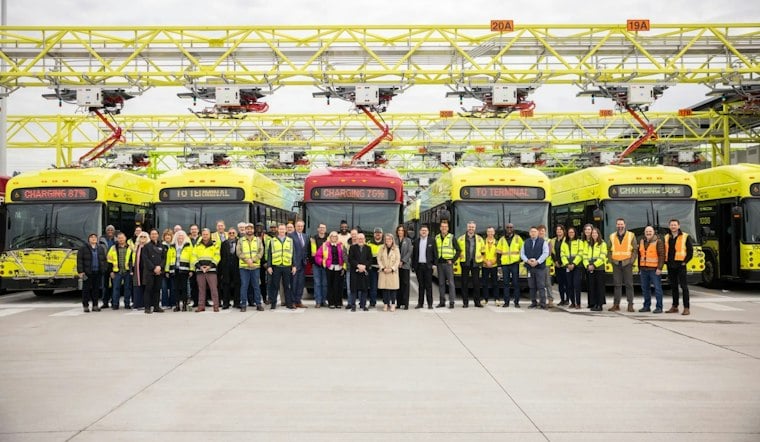
King County Metro has opened Washington state's first 100% battery-electric bus base in Tukwila, a 544,000-square-foot facility that now charges and maintains more than 120 electric buses with no diesel fuel involved at all. Metro says the base moves the agency closer to fully zero-emission bus service, and it's already drawing visits from transit agencies around the country curious how it works.
The project is the result of a partnership between Metro and Seattle City Light, according to kingcountymetro.blog, which describes the collaboration as stretching back decades between the two agencies. Seattle City Light says the power running through the facility comes from a carbon-neutral supply, and the utility has framed Tukwila Base as a template other electrification projects in the region could follow. Metro's own materials go further, calling the base a blueprint for transit agencies nationwide to emulate.
The base supports regular service on Routes 105, 128, 156, 184 and the RapidRide F Line following a summer testing period, according to Metro Magazine. The trade publication reports that Metro marked the completion of construction at the Tukwila site during an event on November 4. As reported by KIRO 7 News Seattle, other transit agencies are visiting the Tukwila site in person to learn how the project came together.
What Riders Might Notice
King County Metro says the transition could benefit riders and the communities along affected bus routes. Sunny Knott, Metro's zero emissions program director, told KIRO 7 that electric buses improve air quality for nearby residents and the people who use the service regularly. Knott also said the electric buses are quieter, smoother, and quicker going up hills than Metro's regular diesel fleet, a detail that could be the most noticeable change for day-to-day riders.
Metro frames the base as a major step toward cutting greenhouse gas emissions, tying the project to King County's broader climate action plan, which commits the county to reducing its greenhouse gas footprint. Knott described the bus base as a big first step in reducing that impact and called it a big part of the county's climate plan. Metro has also said the shift to electric buses could help keep transit affordable over time by reducing the agency's dependence on fluctuating gas prices.
How the Charging Works
Kevin Kibet, Metro's capital project manager, said buses typically take roughly three to four hours to charge depending on the type of charger used. For buses returning late from longer routes that need to get back into service quickly, Kibet said the base offers a much faster charging option so vehicles aren't sidelined any longer than necessary.
Metro has also pointed to financial returns from its broader shift toward zero-emission buses. The agency says it sold Clean Fuel Standard credits over the summer that generated almost $1.5 million in revenue, according to kingcountymetro.blog. Metro expects roughly $1 million a year in credit revenue going forward, though it cautions that figure will vary as Clean Fuel Standard credit prices shift over time. The agency also says bus-fleet emissions have dropped 45% since 2024 even as it has expanded bus service.
KIRO 7 reported that it reached out to Metro to learn how much the agency expects to save by operating the electric facility itself, a figure that has not been disclosed. The scale of the Tukwila project, and the attention it's drawing from transit agencies elsewhere, suggests King County Metro sees the base as more than a local upgrade. It's a working example other systems could study for their own electrification plans in the years ahead.





