

























































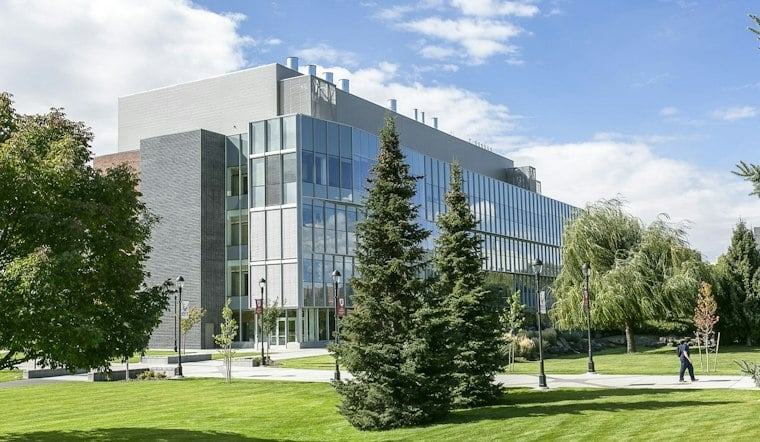
Washington State University's Board of Regents has approved a framework that could let the Elson S. Floyd College of Medicine enroll out-of-state students for the first time, a move that threatens an unwritten pledge the school made when it was founded more than a decade ago. The earliest that could happen is fall 2028, and only if the school's finances require it.
The board approved the framework Friday, according to The Spokesman-Review. WSU Provost Chris Riley-Tillman said non-Washingtonians could not be admitted before fall 2028, and even then only if the school's finances make it necessary. For 11 years, the medical school has enrolled only Washington residents or students who spent at least six years of their childhood in the state, per the same account.
The proposed numbers show why the change matters financially. An out-of-state student would pay around $77,000 a year in tuition, compared with just under $45,000 for a resident, based on 2026 tuition figures reported by the Spokane paper. Opening the door to nonresidents could bring in an estimated $1 million to $1.5 million in revenue for the medical school, money that board documents said would support instructional quality, clinical training experiences and accreditation standards, according to the same report.
Why the Medical School Exists in the First Place
WSU's medical school was established after the Washington Legislature repealed a 100-year-old law that had allowed only the University of Washington to operate a medical school in the state. When WSU launched its program, the university committed that it would not compete with UW and would enroll only in-state students, according to regent Marty Dickinson, as reported by the Spokesman-Review.
Dickinson said that in-state enrollment mission amounted to an implied promise to the Legislature. He cautioned that opening enrollment to out-of-state students would mean fewer Washingtonians admitted, since the school cannot simply increase its total enrollment without opening seats to nonresidents, Riley-Tillman said. Dickinson urged the board to avoid risking opportunities for Washington students from underserved populations and communities, and said any enrollment expansion should be approached tactfully to avoid political weaponization.
A Decision Regents Say Wouldn't Come Lightly
WSU President Elizabeth Cantwell said university financial improvements may come at the cost of implied promises made over the previous 50 years. Cantwell and Riley-Tillman both said a decision on potential enrollment expansion in two years would not be made lightly, per the Spokesman-Review's reporting.
The university's own messaging has emphasized its Washington-first mission. WSU says its MD program recruits applicants with ties to the state who are committed to serving Washington after training, according to a Washington State University announcement marking its incoming MD Class of 2030. That class included 80 students, with 18.8% coming from rural counties, the university said.
How UW's Medical School Already Looks Different
WSU would not be the first state medical school to enroll students from elsewhere. UW's School of Medicine's most recent class of 280 aspiring practitioners drew just over half its students from outside Washington, with all but 21 of those coming from Idaho, Montana, Wyoming or Alaska, according to the Spokesman-Review's reporting. That regional arrangement has long set UW apart from WSU's Washington-only approach, underscoring just how significant a shift WSU's new framework could represent if finances ultimately force the issue.





