

























































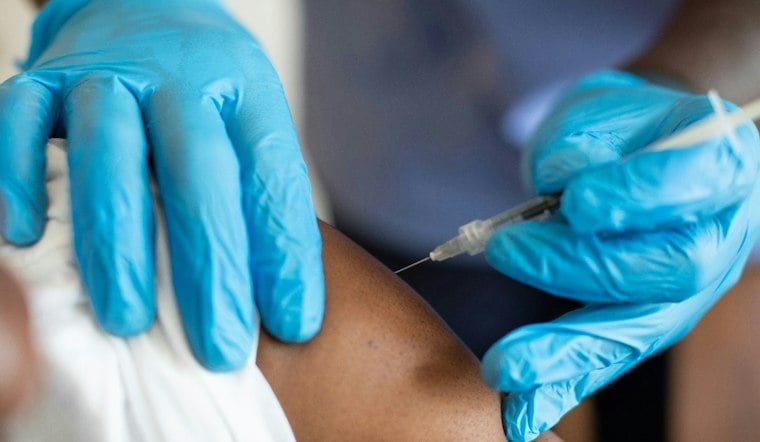
The United States has officially lost its measles-elimination status, a designation it held for 26 years, and doctors are warning that the virus is finding new openings to spread because fewer people are getting vaccinated. Dr. Ali Raja, chair of emergency medicine at Mass General Brigham, said measles is finding more openings to spread, and he pointed to misinformation and skepticism as key reasons more people are not getting their measles vaccinations.
The announcement came after a commission under the Pan American Health Organization concluded that measles had reestablished regular transmission in the country, according to NPR. That assessment relied on separate analyses from the CDC and an independent group of measles experts, and researchers had anticipated the outcome after an outbreak in Utah passed the one-year mark back in June. The United States had been considered to have eliminated measles since 2000, a status defined by the interruption of endemic transmission for at least 12 months under high-quality surveillance, per KFF.
Raja, speaking with WCVB, said measles is finding more openings to spread, a pattern reflected in national case counts this year. KFF reported 5,412 measles cases nationwide from January 2025 through November 13, while The Conversation separately put the 2026 case count at 5,412 as of November 12 — describing it as the highest tally since 1991, along with 591 hospitalizations. The two sources frame the case count over different reporting periods, but both point to the same scale of spread.
Deaths and Severe Outbreaks Vary by State
The toll of this year's outbreaks has also been reported differently depending on the source. Forbes noted that state health departments have reported 10 measles deaths this year, while the CDC's own tally lists six. Pennsylvania alone has reported more than 1,500 measles cases and seven deaths in 2026, according to the state's Department of Health, cited by WCVB in its earlier coverage of the looming elimination-status decision.
The Measles and Rubella Elimination Regional Monitoring and Re-Verification Commission met from November 10 to 13 to weigh the status of measles in both the United States and Mexico, WCVB reported. A two-dose MMR vaccine regimen prevents about 97% of infections, NPR noted, underscoring how much of the current spread traces back to unvaccinated populations. The Conversation reported that 96% of this year's measles cases were among people who were unvaccinated or whose vaccination status was unknown.
Vaccination Rates Have Been Slipping for Years
Raja said misinformation and skepticism can help explain why more people are not getting measles vaccinations, and national data backs up the trend he described. Estimated two-dose MMR coverage among children entering kindergarten was 92.4% in 2025, down from 94.7% in 2011, according to KFF — both below the 95% threshold generally considered necessary to prevent sustained outbreaks. A record 4% of kindergartners nationwide had nonmedical vaccination exemptions during the 2025-26 school year, up from 1.9% just five years earlier, per WCVB's reporting.
NBC News reported that 75% of counties and jurisdictions with measles-vaccine data now fall below that 95% coverage rate. Massachusetts has not been immune to the shift: the commonwealth logged two confirmed measles cases in 2026, up from zero the previous year, according to MassLive. Local vaccination rates vary widely across the state, too — WBUR found kindergarten measles-vaccination rates of 89.7% in Franklin County, 91.2% on Martha's Vineyard and 94.2% in Suffolk County.
Other Countries Offer a Preview of the Road Ahead
The United States is not the first country to lose its elimination status in recent years, and the experiences elsewhere suggest the comeback can take time. Canada lost its measles-elimination status on November 10, 2025, following a national outbreak that began in October 2024 and persisted with the same virus strain for more than a year, according to the Public Health Agency of Canada. A year after losing that status, Canada remains classified as endemic, Forbes reported.
Other countries have managed to regain their standing. Forbes noted that Venezuela lost its elimination status in 2018 and was re-verified in 2023, while Brazil lost its status in 2019 and regained it in November 2024. Those timelines suggest that, should the United States work to restore its elimination status, the process could stretch on for years rather than months.



