

























































Carin Goncalves has been largely confined to her Vero Beach home since December 2025, getting around in a power wheelchair that does not fit the rooms it was meant to open. The chair weighs about 400 pounds, has no handles or leg supports, and jams along the 20-foot route from her doorway to the mailbox. She has fallen from it, with head injuries, bruises and a broken foot, and has been left in the sun until her son or neighbors could get her back inside.
Sunshine Health, a private company contracted by Florida to cover Medicaid patients, denied a replacement twice and described the requested chair as not medically necessary, the Miami Herald reported. On Nov. 9 a plan representative told the 49-year-old she had been approved. As of Nov. 16 she still had neither the chair nor anything in writing.
A Chair That Would Not Fit The House
Goncalves became quadriplegic after a crash when she was 17. She needs a power wheelchair to get around. A Medicaid supplier instead sent a machine that would not pass through her doorways.
She told the Herald the wrong chair was not going to work and that she felt she had no control while using it. Getting stuck between the door and the mailbox is not a minor inconvenience when the person in the chair cannot stand up and walk the rest of the way.
Her adult son helps care for her.
Two Denials, Then A Verbal Yes
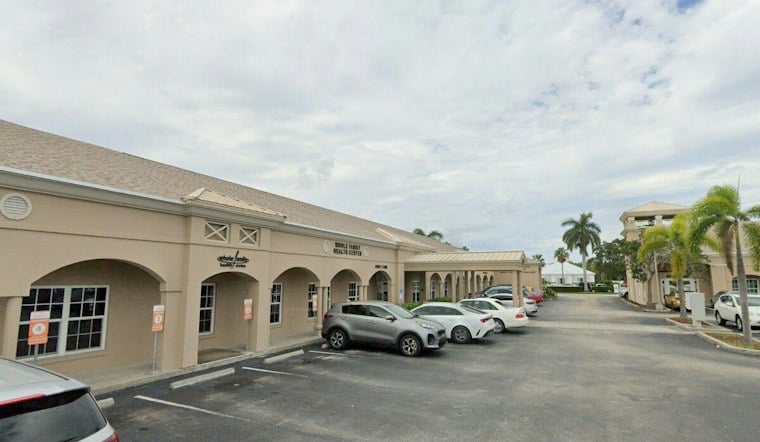
Doctors at Whole Family Health Center requested a replacement in July. Gerald Pierone, the center's chief medical officer, wrote that the wheelchair had caused multiple falls, head injuries and a broken foot. He recommended a custom chair because, in his letter, no alternatives met her needs.
Sunshine Health denied the request, then denied it again after her doctor submitted another prescription and documentation of the injuries. The plan's stated reason was that the chair was not medically necessary. That is a coverage conclusion, not a finding that she can walk.
After TCPalm contacted the plan on Oct. 29, Lyndsey Brzozowski, executive vice president of Bascom Communications Group, said in a company response that the team had worked directly with Goncalves and her provider to address the situation. The Nov. 9 call followed. Goncalves said she was relieved and still unwilling to relax until the approval arrived on paper. By Nov. 16, neither the written notice nor the chair had.
A Hearing She Heard About Afterward
The Florida Agency for Health Care Administration held a hearing on her appeal. Goncalves said she received notice of that hearing after it had already taken place. The Herald account does not report what the hearing officer decided.
The sequence matters because a verbal approval and a missed notice are not the same thing as a chair in the doorway. She has been living with the wrong machine since at least December 2025, through a July prescription, two denials, an agency hearing and a November phone call.
What Medicaid Says It Will Pay For
On paper, the benefit is broader than a single denial letter suggests. AHCA says Medicaid reimburses for durable medical equipment and medical supplies appropriate for use in a recipient's home, and that recipients may receive medically necessary equipment in line with coverage and limitation rules. A chair that cannot clear a doorway is a poor match for a benefit written around use in the home.
AHCA lists wheelchairs among examples of covered durable medical equipment.
The Appeal Path, And Who Has To Prove It
Florida's process puts the plan appeal first. AHCA says enrollees generally must finish the health plan's appeal before requesting a Medicaid fair hearing, and a hearing request filed earlier may be turned down. A request can be made by calling the Medicaid Helpline or in writing by email or mail.
Leigh Markowitz, director of community health care services at Disability Rights Florida, told reporters that individuals bear the burden of showing the equipment is needed, and that health plans often deny requests over paperwork errors with little explanation.
Disability Rights Florida offers free services to Floridians with disabilities. Markowitz said the organization receives thousands of requests a week for disability-related help. That volume is not a count of wheelchair denials, and it does not establish how often Florida Medicaid turns mobility equipment down. It does describe an advice line built for people who are expected to assemble the proof themselves.
The Same Phrase, In Another Living Room
Goncalves is not the only Sunshine Health enrollee who has heard "not medically necessary" applied to equipment that keeps a paralyzed person moving between a chair and a bed. Karen Evonosky, a Hillsborough County resident paralyzed from the chest down in a car crash, spent nine months trying to replace the lift she used to get into and out of her wheelchair and into bed, and to obtain a shower chair; her effort had ended with approval by May 8, 2025. Denial letters used that phrase for both items. After ABC Action News pressed the plan, the claims were approved and she received the lift and shower chair.
A California case sits in a different program and should not be read as Florida Medicaid. In Santa Rosa, Ken Rossi said he waited months in 2026 for a replacement wheelchair while Medicare required documentation that the chair was medically necessary. ABC7 reported that National Seating and Mobility's website says obtaining a wheelchair can take up to six months, partly because of insurance requirements. After the station contacted the company, it delivered a new chair and repaired the old one. Newsroom pressure is not an appeals process. It is also how two of these accounts ended.
For Goncalves, the Nov. 9 approval is still a phone call. The custom chair Pierone said she needed has not arrived, and the written confirmation she said she was waiting on had not arrived either, as of Nov. 16. Until one of those shows up, the 20 feet to the mailbox still depend on a chair without handles, a son who has already decided he will keep showing up, and neighbors if he cannot.




