

























































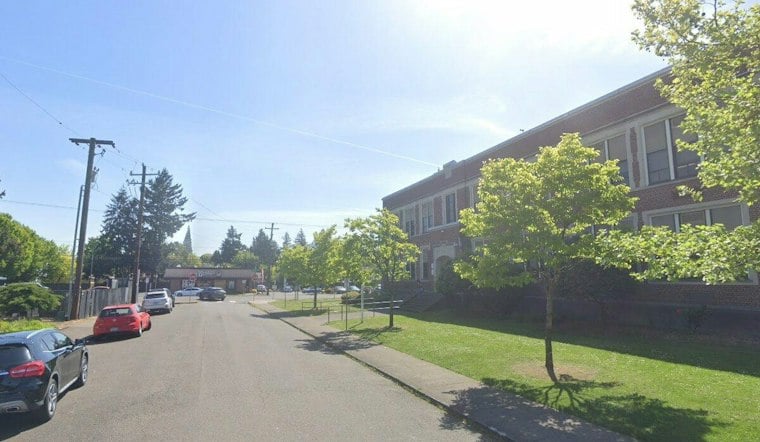
A stretch of cracked, inch-and-a-half-thick blacktop at Vestal Elementary School in Portland has given way to a green outdoor courtyard where students can read, study plants and climb boulders between classes. The project, finished with help from the nonprofit Depave and grants from the Portland Clean Energy Fund, turned old pavement into a space school leaders say lets kids take lessons like reading and science outside.
According to KOIN.com, project partners removed pavement at the school and worked with community members to replace it with a green learning space. The transformation was years in the making: Depave staff told Willamette Week that Vestal was flagged as a potential heat-mitigation site through a Portland State University student project focused on reducing urban heat islands along 82nd Avenue. Depave communications manager Katherine Rose told the outlet the surrounding area has plenty of parking lots but very low access to parks and green space, making the schoolyard an obvious candidate for change.
From Blacktop to Boulders
The old courtyard was covered in blacktop roughly an inch and a half thick, per the same report. In its place, the site now features permeable flooring, a wooden stage for student performances, an outdoor learning table and a willow arch, Willamette Week reported. Depave worked with a landscape architecture firm to ask Vestal community members what they wanted in the space before finalizing the designs, the outlet noted.
Vestal PTA president Jake Sepulveda described one unplanned bonus of the redesign to Willamette Week: “I see a lot of kids use the boulders as their little balance walk-arounds.” The Vestal PTA's own year-in-review account lists 242 plants and 16 trees now growing in the outdoor classroom, alongside more than 600 volunteer hours that went into building it.
Square Footage Still Unclear
Exactly how much pavement disappeared depends on which account you read. The Vestal PTA reports that 2,900 square feet of school grounds were depaved in total, while a Portland city snippet describes a community-driven visioning process aimed at removing 4,500 square feet of asphalt and restoring the area as an outdoor classroom. It is not clear from available records whether those figures describe different stages of the same project or different measurements altogether.
A separate city report snippet states that Depave, described as a Portland Clean Energy Fund green infrastructure grantee, hosted a ribbon-cutting ceremony for the new Vestal Elementary Learning Courtyard on May 15, though the passage does not specify the year. Organizers say projects like this one can help schools become more climate resilient while creating greener, healthier community spaces.
Part of a Broader Push
Portland Public Schools has said it plans to green playgrounds at schools located within the city's urban heat zones, though that remains a stated plan rather than a completed effort, per city documentation. The approach mirrors work elsewhere in the region: Oregon Metro has described how volunteers, local nonprofits and a Nature in Neighborhoods grant helped convert a North Portland elementary school's asphalt courtyard into a nature-based play and learning space. Nationally, The Washington Post has reported that schools are increasingly replacing asphalt playgrounds with cooler, greener spaces as extreme heat worsens.
For now, Vestal Elementary's new courtyard stands as one more entry in that shift — a once-paved corner of the schoolyard that students and neighbors spent hundreds of hours reshaping by hand, with boulders, trees and a stage where blacktop used to bake in the sun.





