

























































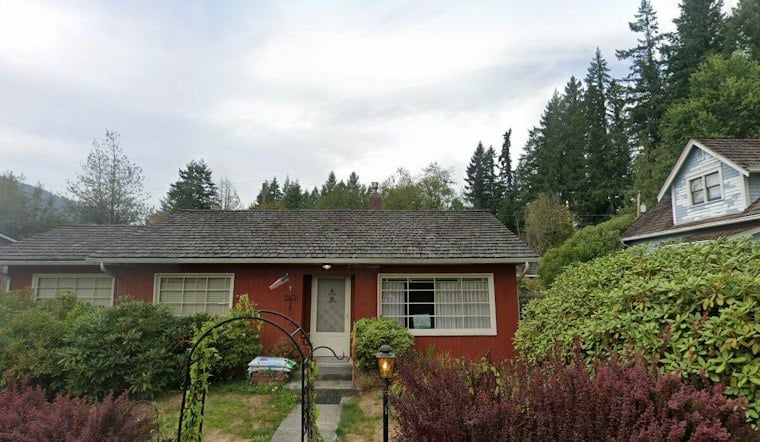
Digitally altered listing photos can make it difficult for buyers to tell whether an image shows a property as it is or as someone wants it to appear. In September 2026, Nicole Broyles and her husband Nathan toured a Preston home east of Issaquah after seeing its listing photos. Their experience illustrates the difference that can arise between listing photos and a home in person.
The Seattle Times has covered the broader issue of AI makeovers in Washington real-estate listings. The Seattle Times reported on the issue.
A $75,000 Price Cut Built on the Gap Between Photos and Reality
Differences between listing photos and a property’s condition can affect buyers’ assessments of a home.
Altered Listing Photos Raise Questions
Digitally altered listing photos can present property features differently from their actual appearance.
Comparing Listing Photos With Reality
Buyers comparing listing photos with a property in person may notice differences between how a home is presented and how it appears.
California enacted its altered-image disclosure law in 2025, and the requirements took effect January 1, 2026, according to MLSListings’ guidance on AB 723. The law requires altered images in real-estate advertising to be identified and the original, unaltered images to appear in the same advertisement; it exempts lighting changes and color correction. Wisconsin passed a similar listing-photo disclosure law in 2025. A separate Wisconsin rule taking effect January 1, 2027, will require licensees to disclose technology-based advertising alterations that create a false or misleading impression of a property. The Wisconsin REALTORS® Association says that rule is not limited to AI and applies broadly to technology used to alter advertising.
Washington’s Chapter 19.435 provisions, including a provenance-data requirement for generative-AI tools, are scheduled to take effect February 1, 2027, under RCW Chapter 19.435.
A National Pattern, From Ontario to a $2.1 Million Missing Pool
A Coraly analysis of about 40,000 primary listing photos across leading U.S. portals flagged roughly 11%, or 4,330 images, as digitally altered, according to nar.realtor. More than 90% of those altered images carried no visible disclosure on the image or in the immediately adjacent listing context, the same analysis found. AI tools can brighten skies, remove clutter, add furniture and alter other elements of a property.
In Ontario, a realtor told insidehalton.com he showed a client a $2.1 million listing that pictured a pool, only to find no pool existed when they stood on the patio. A Vancouver, Washington, Zillow listing opened with six AI-generated images of an upgraded home before later photos revealed the property was noticeably worn down, per thecooldown.com. And in New South Wales, authorities flagged a Leichhardt rental listing as AI-doctored, though the agency maintained, according to theguardian.com, that the image showed a genuine courtyard mural the landlord had commissioned for approximately $5,000.
Responses to Altered Listing Photos
Disclosure policies and platform responses are among the issues raised by digitally altered real-estate listing photos.
Digital Images and Physical Staging
Digital tools can change how real-estate photographs present a property.
Physical home staging presents furnishings in a property, while virtual staging depicts furnishings digitally.





