

























































Walker voters narrowly rejected a 10-year public safety millage on Tuesday, with unofficial results showing 6,251 residents voting no against 5,507 voting yes, with all precincts reporting. The defeat leaves the city without new funding to expand round-the-clock fire staffing or replace its cramped police facility, at least for now.
The proposal would have levied 1.75 mills, or $1.75 for every $1,000 of taxable value, from 2027 through 2036, according to MLive.com. Revenue was earmarked for round-the-clock staffing at all three of Walker's fire stations, additional personnel, upgraded firefighter living quarters and construction of a new police facility meant to address space and training needs.
How much that would have cost the average homeowner depends on who's doing the math. The City of Walker's own millage calculator put the hit at about $203 annually, or $17 a month, based on an average taxable home value of $116,450. But WOOD TV and FOX 17 both reported a considerably higher figure — about $478 a year, or roughly $40 a month — for an average Walker home with a taxable value closer to $273,000. The dossier underlying those numbers does not reconcile the gap between the city's estimate and the broadcast estimates.
First-year revenue projections varied too. The city's online calculator estimated the millage would generate about $3,065,105 in its first year, while a separate city proposal document put the figure at approximately $3.2 million. First-year revenue projections ranged from about $3.1 million to $3.2 million.
Why City Officials Pushed for the Levy
City officials framed the millage as a response to a department stretched by growth. Demand for emergency services had increased alongside population growth, officials said, putting pressure on current staffing levels and infrastructure, the same MLive report noted.
That pressure is visible on the fire side. Walker's fire department had begun transitioning to 24/7 operations, but as of the election, only two of its three stations maintained constant staffing — meaning the city can still face situations where all emergency units are responding or no on-call firefighters are available.
Walker actually hit a milestone about a year before the vote: the fire department shifted to around-the-clock operation, the outlet previously reported. Fire Chief Russell Shoultz cited city statistics showing Walker's state equalized value grew 119% from 2015 to 2025, and Mayor Gary Carey said firefighters responded to nearly 900 calls for service in 2024 alone.
Police Department Already Over Capacity
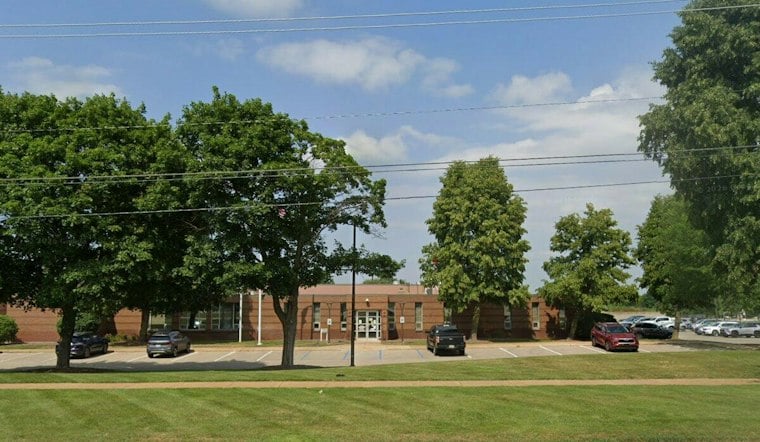
The police department's case centered on space, not call volume. Walker Police Chief Keith Mankel said the department had 44 sworn officers with a budget for 46, but no room to fit them. “Today we have 44 sworn officers with a budget of 46. With that being said, though, we don't have the room and capacity for these officers in our facility,” Mankel told WOOD TV.
The failed Walker measure wasn't the only local public-safety levy to fall Tuesday. Kent County voters also rejected a 20-year jail improvements millage, a separate proposal that would have set a rate of 0.98 mill, or $98 annually per $100,000 of taxable property value, per WOOD TV's report. The county has said that once its existing jail millage expires at the end of 2029, about $28.7 million will need to be replaced, absorbed, offset or reduced.
For now, Walker's fire and police departments remain under the staffing and facility constraints that prompted the ballot measure in the first place, with no new dedicated funding stream in place to address them.




