

























































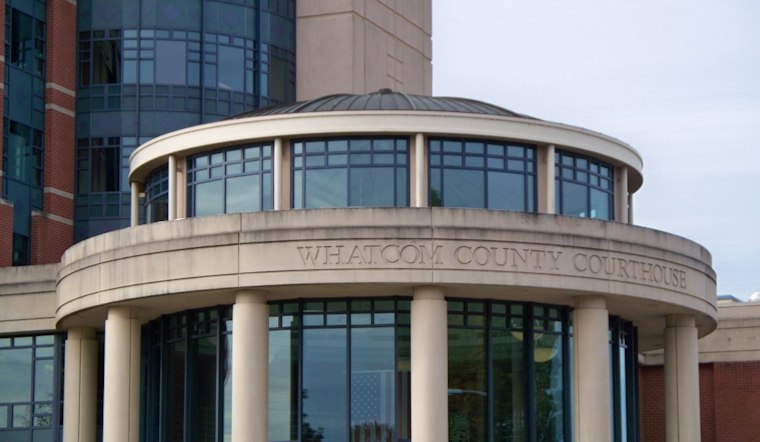
Whatcom County's new two-year budget is now official, and it comes with higher property taxes, 30 eliminated jobs, and a pair of council members who say the plan still doesn't go far enough to rein in spending. The County Council voted 5-2 on Tuesday to adopt the 2027-28 biennial budget, with Ben Elenbaas and Mark Stremler casting the lone no votes.
According to My Bellingham Now, Elenbaas and Stremler objected to a series of tax increases built into the spending plan. Elenbaas said the budget relied on raising taxes and that the council could have done more to address that reliance before approving the final package.
The budget closes a gap that two outlets describe with slightly different numbers. My Bellingham Now reported a projected $8 million shortfall in 2027 growing to $14 million in 2028, while Cascadia Daily put the general-fund gap at $8.3 million in 2027 and $14.3 million in 2028, figures that outlet also reported back in September when the county executive first unveiled a budget proposal. To close that gap, the adopted plan cuts 30 full-time positions, most of them already vacant, and orders spending reductions across most county departments. Those reductions alone are expected to shrink the county's deficit by about $10 million, the station's report notes.
Deputies Spared Through a Last-Minute Grant
The original budget proposal would have eliminated six patrol deputy positions, but a $2.5 million state grant is now stepping in to fund four of those jobs through 2028, per the same account. That still leaves two positions on the chopping block, even as the sheriff's office avoided the deeper cut initially on the table.
Sheriff Donnell Tanksley was among the public figures who spoke at the council's final public hearing on Tuesday before the vote, according to My Bellingham Now. Councilmember Jon Scanlon said the budget reflects community priorities, though he also flagged concerns about low public engagement throughout the process, the outlet reported.
New Ferry Levy and Flood District Capacity Fill the Gap
To raise the revenue needed to balance the books, the council established a brand-new ferry district levy, expanded the general fund's taxing capacity, and tapped banked capacity from the Flood Control Zone District. The new ferry district is intended to relieve costs that had previously been paid out of the county road fund, while the flood district's additional revenue will go toward flood-prevention work the county has deemed essential, the report states.
Those three revenue actions together add 19.1 cents per $1,000 of assessed property value, which the outlet estimated would cost the owner of a $750,000 home an extra $143 per year. Separately, an official county notice lists the 2027 Ferry District levy at $5.7 million, a rate of nine cents per $1,000 of assessed value, according to a Whatcom County public notice. The same notice identifies Ordinance 2026-082 as the measure formally adopting the final 2027-2028 biennial budget, and states the county's 2027 general levy will rise by $722,303, a 1.86% increase over the prior year's actual levy amount.
Restored Funding for Senior Centers and Food Banks
Not every line item in the budget shrank. Council amendments added funding for senior centers and local food banks, reversing cuts that had been floated earlier in the process; Cascadia Daily reported in September that the executive's original proposal would have dropped funding for the food bank network and senior centers back down to prepandemic levels. Those restored amendments will be paid for out of the county's Community Priorities Fund, per the My Bellingham Now report.
The September proposal from the county executive had initially called for eliminating 35 full-time positions, mostly vacant, which the executive's budget message projected would save around $5 million. The final adopted figure landed at 30 position cuts instead, reflecting changes made through the council's amendment process in the weeks since that initial proposal was unveiled.





