

























































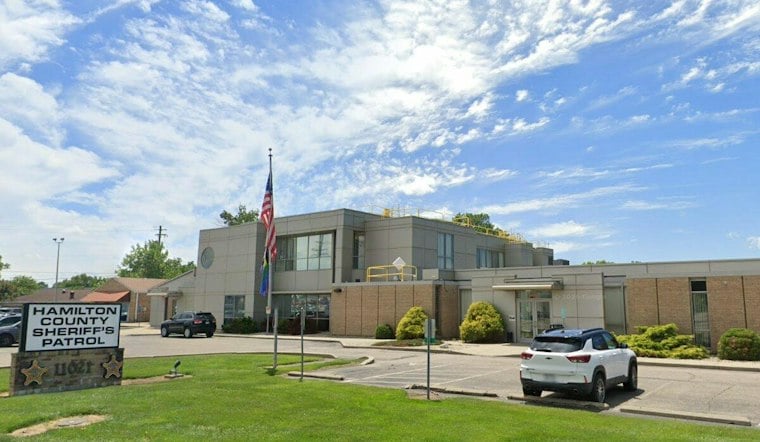
Hamilton County Sheriff's Office deputies plan to stop routine patrols, traffic enforcement and non-emergency responses in Whitewater Township on Jan. 1, 2027, unless a contract is signed before then. The office says 911 emergencies and life-safety calls will still get a deputy response, but everyday policing in the township is set to end without a formal agreement in place.
According to wcpo.com, the township was notified by letter on Oct. 9 that services would cease at the start of 2027 unless a contract was executed before that date. The sheriff's office says Whitewater Township is the only jurisdiction in Hamilton County that does not have a formal contract for police protection, a distinction that has shaped the standoff for years.
Deputies will keep responding to crimes in progress, incidents posing an immediate threat, death investigations, injury crashes and suspected impaired driving, per the same report. They'll also respond to disabled vehicles that create safety hazards, and to calls of unclear severity when a supervisor authorizes a response. What won't get a deputy at the door starting in 2027: after-the-fact theft reports, minor disturbances, lost property calls, and non-injury movable crashes or routine traffic enforcement.
Where Residents Go Instead
Residents with non-emergency matters will need to file reports in person at the Sheriff's Office Patrol Headquarters, 11021 Hamilton Ave., Monday through Friday from 8 a.m. to 4 p.m., the station's report notes. That shifts a chunk of everyday police business from a phone call or a deputy visit to a weekday trip across town.
The sheriff's office says it cannot sustain dedicated patrol services without a contract amid countywide budget constraints, and it says it remains prepared to negotiate a fair arrangement to meet the township's needs. The office also says a proposal to share the cost of three patrol beats among Crosby, Harrison and Whitewater townships has not produced a contract with Whitewater. It says it has received no response from Township Administrator Peggy Westerfeld or the township.
A Years-Long Funding Fight
This isn't a new fight. Back in 2022, the sheriff asked Crosby, Harrison and Whitewater townships for at least $1 million for regular patrols, according to WCPO. And the tension goes back further still: in December 2018, Hamilton County commissioners cut the sheriff's office budget by nearly $6 million for 2019, and the office had projected losing three dedicated patrol cars serving Whitewater, Crosby and Harrison before later saying cars would remain somewhere in the western townships, though possibly fewer in number or in different locations, Local 12 reported at the time.
Harrison Township took a different path. Its trustees unanimously agreed to a three-year contract with the sheriff's office, with the prorated cost set at $23,000 for the first year and roughly $43,000 the following year, WCPO reported. That deal also brought a sheriff's substation to the township civic center, staffed with two sergeants and a lieutenant.
Voters Already Said No Once
Whitewater Township residents have had a direct say in this before. Voters rejected a tax levy intended to fund a police and fire department, with just over 700 people voting and 79% against, according to WCPO. That levy would have funded three deputies to respond to emergency calls around the clock at a reported cost of $1.4 million per year.
A broader fix has also been floated. A proposed Northwest District would fund three 24-hour patrol cars, with costs split among jurisdictions based on road miles, calls for service and population, Cincinnati.com reported. Under Ohio law, townships are permitted to contract with county sheriffs for police protection or additional police protection, per Section 505.43 of the Ohio Revised Code, though the statute's full terms and requirements go beyond what's established here.
For now, the calendar is the thing to watch. Unless Whitewater Township and the sheriff's office reach a contract before Jan. 1, 2027, the township will lose routine patrol coverage and keep only emergency response, while non-emergency matters get funneled to the patrol headquarters front counter during weekday business hours.




