

























































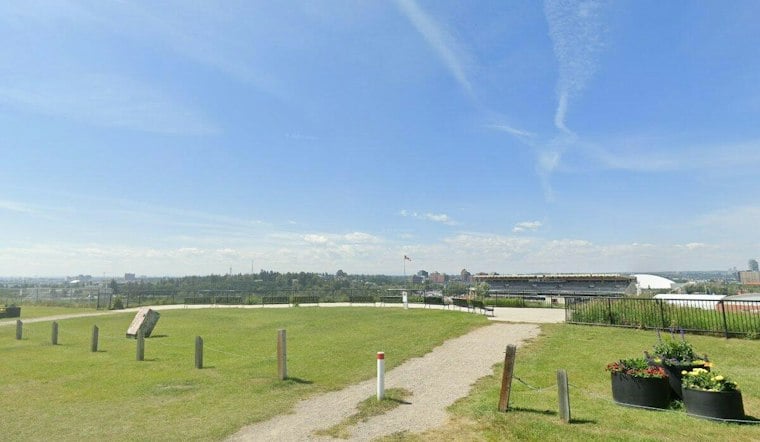
More than a decade after Superstorm Sandy swamped waterfront homes in Woodbridge's Avenel and Sewaren sections, the township's long-running effort to reclaim those flood-prone blocks just got a major boost. The National Fish and Wildlife Foundation has approved a $4.2 million grant to Rutgers University to help turn roughly 160 former residential properties, most of them off Crampton and Watson avenues, into a wetland and woodland landscape designed to soak up floodwater instead of losing homes to it.
The award comes from the Washington, DC-based foundation, a private conservation grant maker, which approved the funding for restoration work in Avenel and Sewaren, according to Rutgers University. The plan calls for restoring wetlands and woodlands along the Woodbridge River to help reduce flooding in nearby neighborhoods while creating habitat for wildlife, the university says. Rutgers ecologists are cooperating with the New Jersey Department of Environmental Protection and Woodbridge Township on the effort, and design plans include a pedestrian greenway and nature trails intended for passive recreation, plus interpretive signage for visitors.
From Flood Buyouts to a Living Floodplain
The project traces back to 2013, when Woodbridge Township began a broader flood-resilience effort after Sandy and partnered with the DEP's Blue Acres program to enable the buyout of more than 160 flood-prone properties, per the same Rutgers account. From there, the township and its partners developed a plan for restoring the acquired land, improving drainage and managing floodwater across 490 acres along the Woodbridge River floodplain. More than 30 acres of habitat within the project area have already been restored, the university reports, and the properties involved have since been torn down.
A separate Rutgers publication from 2022 put the town's Blue Acres purchases at more than 200 properties, a larger figure than the more-than-160 cited in the university's newer release; the evidence does not reconcile the two counts, which may reflect different scopes or reporting periods. Statewide, Blue Acres has acquired nearly 1,200 flood-prone properties since the program began in 1995, according to a New Jersey Department of Environmental Protection search-result snippet.
Interns Will Gather Data Before Shovels Hit the Ground
Before construction begins, Rutgers undergraduate interns are scheduled to collect information about vegetation, wildlife and water levels in spring 2027, the university says. Work on the restoration project itself is expected to begin in early 2027, according to Yahoo News, which also reports that Rutgers ecologist Brooke Maslo is leading the project. As reported by TAPinto, Rutgers ecologists are planting native trees, shrubs, flowering plants and grasses meant to attract birds, bees, turtles and other small animals across the site.
Maslo said the project demonstrates how ecological science can become practical solutions benefiting people and wildlife, and that nature-based solutions can restore floodplain functions and help communities adapt to climate change, per TAPinto. Mayor John E. McCormac said the grant will help turn Woodbridge properties from liabilities into community assets for hiking, nature walks and wildlife habitat, while Woodbridge floodplain manager Thomas Flynn said the funding builds on years of work by the township, residents and partners and will support land plans that handle flooding while serving the community, according to the same outlet.
A Blueprint Rooted in an Earlier Trail Project
The new effort builds on groundwork Maslo and her team already laid nearby. In the Watson-Crampton neighborhood, their earlier project used land from contiguous Blue Acres buyouts to build a public walking and biking trail, restoring 11 acres of forest and 5 acres of meadow, according to Rutgers SEBS/NJAES News. A 2022 report from CBS New York described a six-year partnership that returned about 30 acres of the same neighborhood to a natural state, while a 2017 account from MyCentralJersey noted that more than 1,000 native trees and shrubs had already been planted there. An aerial photo from 2022 shows Avenel and Sewaren properties becoming a conservation and passive recreation area, per TAPinto.
Project partners hope the Woodbridge model can eventually guide other municipalities deciding what to do with properties acquired through flood-buyout programs, Yahoo News reports. The project area lies within the Woodbridge River floodplain, where restoration is intended to help manage flooding. FEMA estimates that a structure in a Special Flood Hazard Area has a 26 percent chance of suffering flood damage over a 30-year mortgage. The township also recognizes the New Jersey DEP's Inland Flood Protection Rule, adopted July 17, 2023, according to its own published guidance.




